
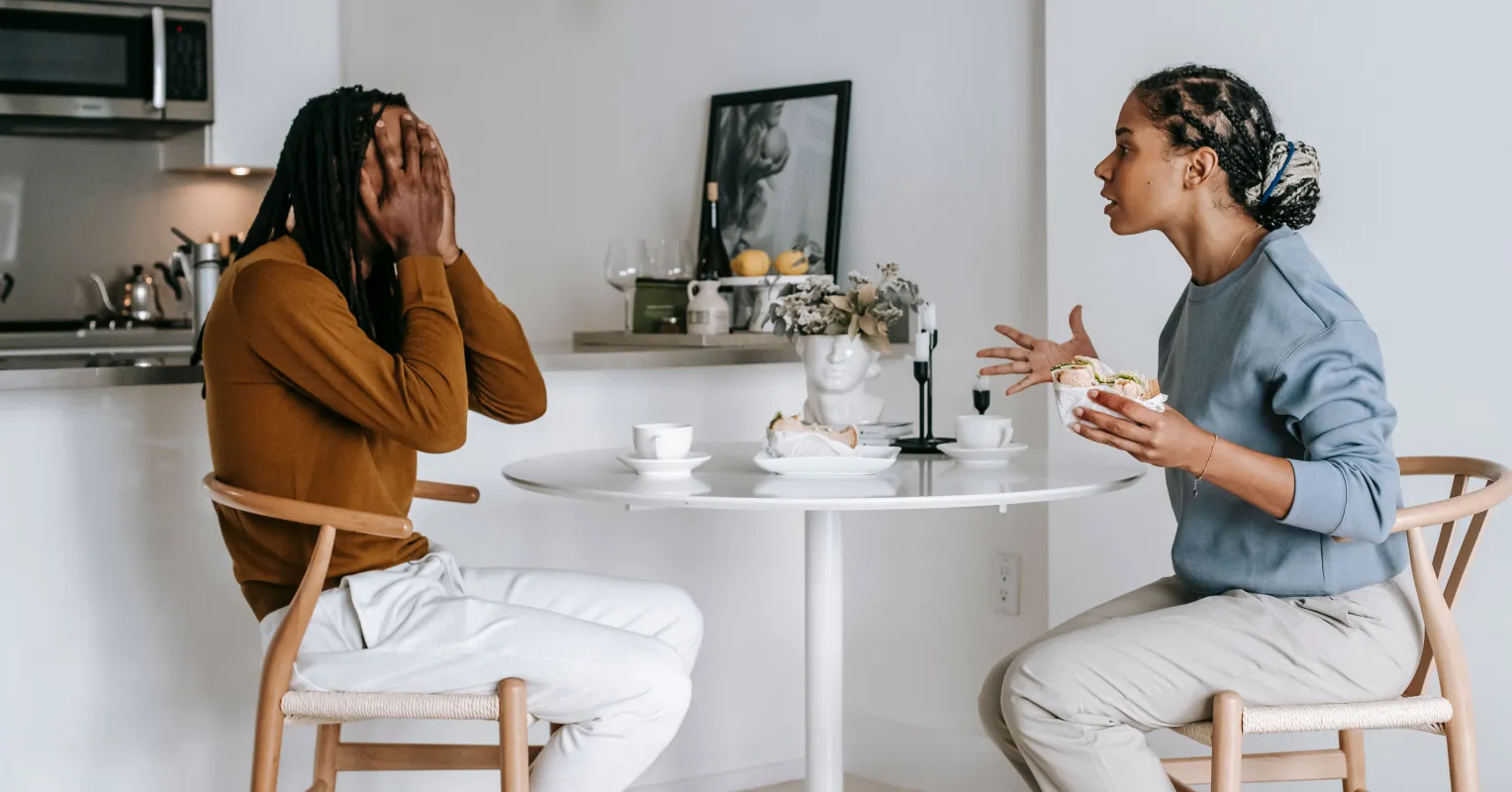
It’s a familiar feeling—wanting to connect with your partner, yet feeling an overwhelming fear at the thought of showing vulnerability. This sensation can be confusing and frustrating, often leaving you questioning your own emotions. If you’ve found yourself hesitating to open up, you’re not alone. Many people grapple with the fear of vulnerability in relationships, and understanding why this happens is the first step towards overcoming it.
Understanding the Fear of Vulnerability
Feeling scared to show vulnerability in a relationship can stem from various sources. At its core, vulnerability is scary because it involves exposing your true self—the parts of you that are imperfect, sensitive, or hurt. The thought of being judged, dismissed, or hurt can trigger deeply rooted fears that make opening up feel like a tremendous risk.
In many cases, people might associate vulnerability with weakness. Society often teaches us that strength comes from being tough and unemotional. This ingrained belief can lead to a reluctance to express softer emotions or admit fears, as it feels safer to maintain a façade of confidence.

A closely related pattern appears in why do I feel scared to be vulnerable with my partner, which adds more context to this behavior.
Why Vulnerability Feels So Risky
The fear of being vulnerable can often be heightened by past experiences. For instance, if you’ve been hurt in previous relationships—whether through betrayal, abandonment, or ridicule—it’s natural to erect walls to protect yourself from future pain. These walls can make it hard to trust others and even harder to engage in intimate conversations that could foster deeper connections.
Additionally, the fear of vulnerability can manifest as stonewalling—emotionally withdrawing from situations that are challenging. This behavior can prevent open communication and healing, often leaving partners feeling stuck in a cycle of misunderstanding and resentment.

A closely related pattern appears in why do I fear vulnerability in close relationships even if I care, which adds more context to this behavior.
Different Meanings of Vulnerability
Vulnerability isn’t a one-size-fits-all experience; its significance can vary depending on the context. For some, it means expressing feelings of love and affection. For others, it could involve sharing critical life experiences, fears, or personal insecurities. Understanding that vulnerability can take many forms may help you recognize what aspects feel safe to share and what might need to be approached more cautiously.
Moreover, being vulnerable in a relationship may not always come easily. The emotional landscape of your partnership significantly influences how safe you feel. If your relationship is rooted in trust and support, showing vulnerability can feel less daunting—like a natural extension of your connection.
A closely related pattern appears in why do I doubt my partner’s feelings even when they show love, which adds more context to this behavior.
What Not to Assume About Vulnerability
It’s easy to assume that vulnerability only invites judgment or criticism; however, this isn’t always the case. Many partners view vulnerability as a sign of strength and commitment, appreciating the courage it takes for each other to open up. Misplacing the narrative around vulnerability can keep you trapped in dichotomies that limit your relationship’s growth.
Moreover, don’t confuse vulnerability with oversharing or emotional dumping. Healthy vulnerability is characterized by mutual respect and timing—it’s about sharing in a way that fosters intimacy without overwhelming either partner.
A closely related pattern appears in why do I feel like I can’t trust my partner after betrayal, which adds more context to this behavior.
Steps Towards Embracing Vulnerability
So how can you begin to embrace vulnerability in your relationship? Start small. Consider sharing minor thoughts or feelings with your partner and gauge their response. Create a safe space for both of you to express yourselves, which can alleviate fears associated with deeper conversations.
Additionally, practicing self-compassion is essential. Recognize that feeling scared is a normal part of being human. By understanding that vulnerability is a shared experience, you may find it easier to take that leap toward deeper emotional intimacy with your partner.
A closely related pattern appears in why do I feel a stronger bond with my AI companion than with real friends, which adds more context to this behavior.
Frequently asked questions
What are the signs I am not being vulnerable in my relationship?
Common signs include avoiding deep conversations, using humor to deflect serious topics, expressing anger instead of sadness, or consistently putting up emotional walls. If you notice these behaviors, it might indicate a fear of vulnerability.
How can I support my partner in being vulnerable?
Encourage open communication, listen without judgment, validate their feelings, and share your own vulnerabilities. Creating a safe space can foster mutual trust and connection.
Learn more:
About Us |
Editorial Policy |
Content Quality Standards |
Disclaimer