
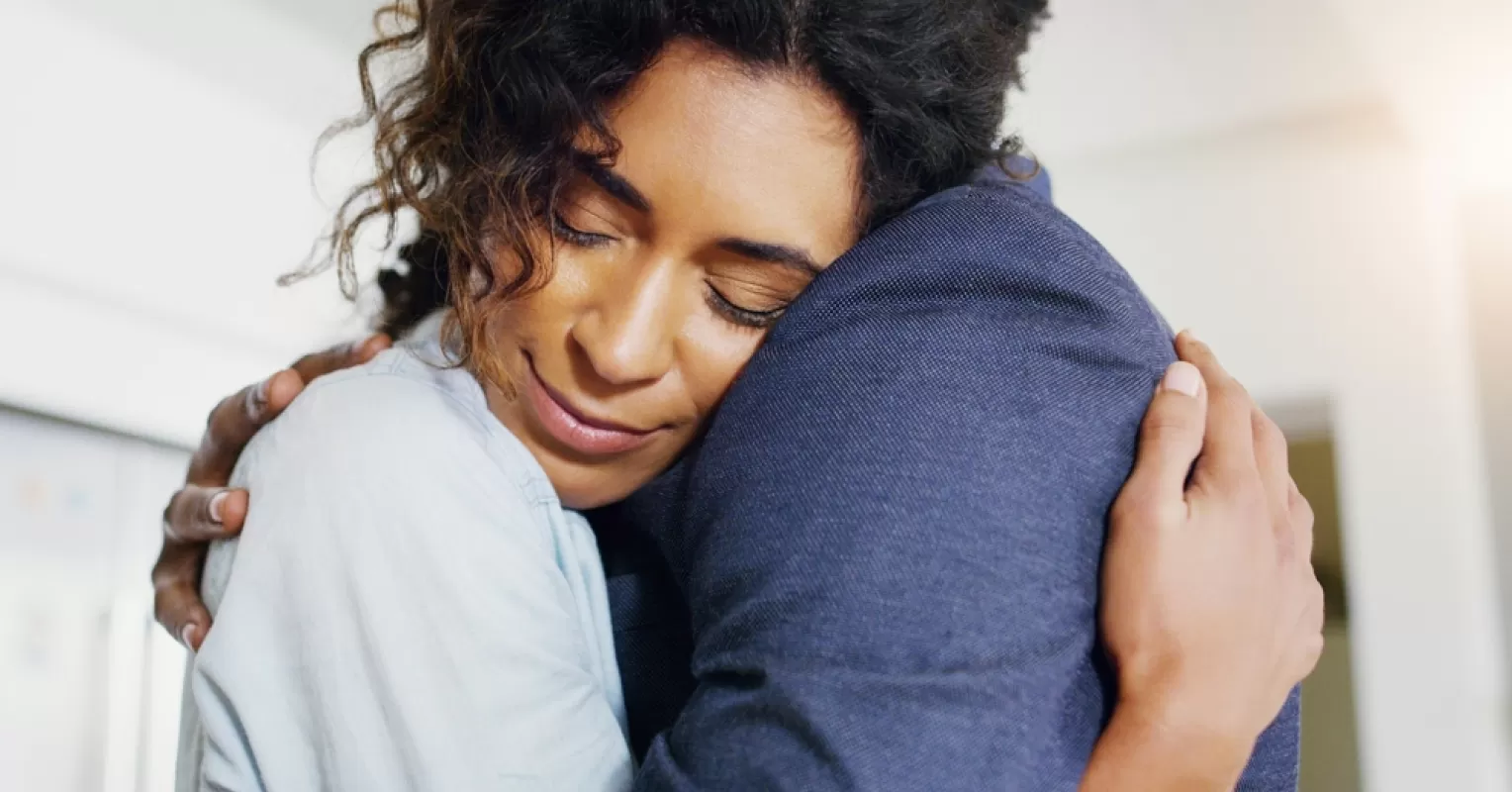
Do you feel a knot in your stomach whenever the thought of being vulnerable with your partner arises? It might be unsettling to admit, but many people grapple with this fear, even in relationships that seem loving and supportive. You’re not alone in experiencing this emotional turmoil, and understanding why you feel scared to be vulnerable with your partner is the first step towards a healthier, richer connection.
Understanding the Fear of Vulnerability
Vulnerability can feel like a double-edged sword. On one hand, opening up can strengthen connections and deepen intimacy. On the other, the risk of rejection and judgment often weighs heavily on our hearts. When you consider sharing your innermost thoughts and feelings, it may trigger memories of past hurts or fears of being seen as inadequate. This emotional crux is not only common but also a complex part of human relationships.
In many cases, this fear stems from a deep-rooted belief that vulnerability equals weakness. Cultural narratives often emphasize independence and self-sufficiency, leaving little room for emotional transparency. As a result, the very act of admitting your need for intimacy can feel like a huge risk.

A closely related pattern appears in why is it hard for me to be vulnerable, which adds more context to this behavior.
Possible Reasons Behind This Fear
Your fear of vulnerability may have various origins. For some, it traces back to childhood experiences where openness was met with rejection. If your feelings were dismissed or ridiculed in the past, it’s no surprise that you might hesitate to voice them now. This pattern often leads to a protective stance, where you conceal your true self to avoid the pain of judgment or abandonment.
Additionally, societal expectations can contribute to this fear. The more we equate emotional expression with weakness, the less willing we become to embrace our vulnerability. Recognizing these influences can help cultivate compassion towards yourself as you navigate this emotional terrain.

A closely related pattern appears in why do I feel anxious about my partner meeting my parents, which adds more context to this behavior.
The Context Matters: When Vulnerability Feels Risky
The settings in which vulnerability unfolds can greatly influence your comfort level. With a partner who has proven to be understanding, sharing your feelings might feel safer. However, if you’re in a situation where your partner has previously reacted negatively to your emotional openness, the stakes feel significantly higher. Context is crucial, and understanding how past interactions shape your current feelings can empower you to choose when and how to be vulnerable.
As you consider opening up, remember that vulnerability is a two-way street. A supportive environment encourages openness, while a dismissive one can lead to emotional shut-down. Assessing the current dynamics in your relationship can provide valuable insights into your fears.

A closely related pattern appears in why do I feel a stronger bond with my AI companion than with real friends, which adds more context to this behavior.
What Not to Assume About Your Fear
It’s easy to fall into the trap of thinking that fearing vulnerability is a personal flaw. This assumption can perpetuate feelings of shame, and panic, isolating you further. It’s vital to recognize that many people share this struggle, often because vulnerability requires immense courage and self-acceptance. Your feelings do not define your worth or your ability to connect with others—it’s simply part of a complex emotional landscape.
Moreover, don’t presume that your partner feels the same way about vulnerability. Each individual has their history and emotional thresholds. Your concerns might be more about the fear of being misunderstood than about the reality of your partner’s feelings.
A closely related pattern appears in why do I feel betrayed when friends don’t include me, which adds more context to this behavior.
Navigating Towards Emotional Openness
Understanding your fear is a crucial step, but it doesn’t stop there. Start small by sharing less daunting feelings or thoughts with your partner. Gradually increasing your vulnerability can help gauge their reactions and foster a deeper connection. The more you practice, the easier it becomes to express your authentic self.
Remember that vulnerability is not about oversharing; it’s about finding a balance between honesty and comfort. Building emotional resilience takes time, patience, and the willingness to embrace discomfort. As you become more in tune with your feelings and fears, the path toward emotional openness will gradually illuminate.
A closely related pattern appears in why do I feel triggered when my partner meets my friends, which adds more context to this behavior.
Frequently asked questions
How can I overcome my fear of vulnerability?
Start by acknowledging your feelings and understanding the roots of your fear. Gradual steps—like sharing small thoughts or emotions—can help you build confidence. A supportive partner can also aid in this journey, making you feel more at ease.
What does it mean to be vulnerable in a relationship?
Being vulnerable means showing your true self, including your fears and insecurities. It requires courage to share intimately, as it opens the door for deeper emotional connections.
Learn more:
About Us |
Editorial Policy |
Content Quality Standards |
Disclaimer