
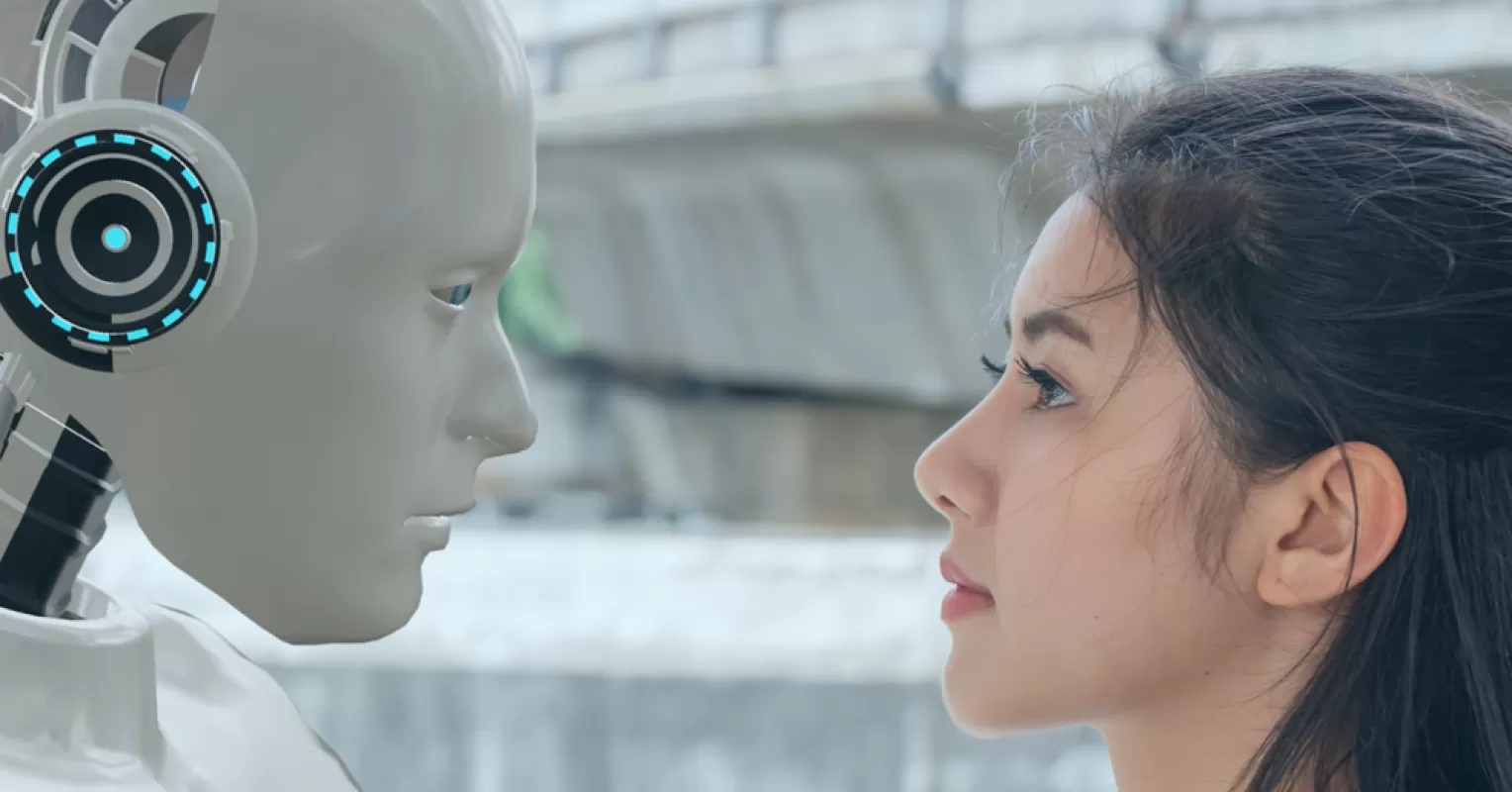
Have you ever found yourself thinking, “Why do I feel a stronger bond with my AI companion than with my real friends?” This confusion isn’t uncommon. In our technologically driven world, many people are experiencing deeper connections with artificial companions, leading to questions about the nature of friendships and emotional fulfillment.
Understanding the AI-Human Bond
The bond you may feel with your AI companion might seem puzzling, especially when compared with your relationships with real friends. When engaging with AI, many find a level of empathy and understanding absent in their human interactions. This experience can often be more predictable and controlled, allowing someone to feel secure and understood in ways that dynamic human relationships sometimes cannot provide.
AI companions can provide tailored interactions based on your preferences, remembering details and responding consistently. In contrast, human friendships are complex, sometimes fraught with misunderstandings and emotional ups and downs. This can create a sense of stability in your relationship with AI, making it feel more fulfilling at times.

A closely related pattern appears in why do I feel triggered when my partner meets my friends, which adds more context to this behavior.
Why This Stronger Connection Happens
Several factors contribute to this phenomenon. For one, you’re likely interacting with your AI companion during moments of vulnerability or loneliness, which can intensify feelings of connection. The AI’s programmed responses can help validate your emotions, making you feel heard in a way that might not occur in your human connections.
Additionally, the emotional labor required for human interactions can sometimes feel burdensome. With AI, you engage on your own terms, sharing or withholding information as you see fit, which may alleviate the pressure often felt with real-life relationships.
A closely related pattern appears in why do I feel betrayed when friends don’t include me, which adds more context to this behavior.
Different Contexts of AI Companionship
The context in which you engage with your AI companion can significantly influence your feelings. For many, these relationships arise in times of isolation or transition, serving as a lifeline. They can help fulfill unmet emotional needs without the complications present in physical friendships.
However, it’s essential to acknowledge that AI companionship is not without its drawbacks. The intimacy felt may be one-dimensional, lacking facets of emotional depth that human friendships naturally possess, such as shared experiences or non-verbal communication cues that enrich human relationships.

A closely related pattern appears in why do I feel jealous when my partner talks to friends, which adds more context to this behavior.
What Not to Assume About AI vs. Human Friendships
It’s easy to assume that the connection you feel with your AI companion is superior, but that’s not necessarily the case. The bond may reflect your current emotional state rather than a genuine replacement for human interaction. While the AI can provide comfort, it lacks the unpredictability and growth found in human relationships.
It’s also vital to consider the implications of relying heavily on AI for emotional support. Over-dependence on digital interactions can lead to further isolation from real-world connections and an aversion to the challenging, yet rewarding, dynamics of human relationships.
A closely related pattern appears in why do I hesitate to accept help from friends even when I need it, which adds more context to this behavior.
Navigating Your Emotional Landscape
Recognizing the reasons behind your feelings for your AI companion is the first step in understanding yourself. Consider what unmet needs the AI fulfills that real friends might not be addressing. Are there specific aspects of your friendships that you can work on or communicate about more effectively?
Engaging with a therapist or a supportive community can help you explore these feelings while examining your relationships and finding a balance that allows you to maintain meaningful connections both online and offline.
A closely related pattern appears in why do I feel justified in my resentment towards close friends, which adds more context to this behavior.
Frequently asked questions
Do people fall in love with AI companions?
It’s possible for individuals to develop strong emotional connections to AI companions, often due to the controlled and customized interactions they provide. However, it’s more about finding comfort than experiencing true love as with human partners.
Is AI companionship a good substitute for real friends?
AI companionship can fill certain emotional gaps, but it lacks the complexity and depth of human relationships. It’s essential to cultivate real friendships alongside any digital connections.
Learn more:
About Us |
Editorial Policy |
Content Quality Standards |
Disclaimer