
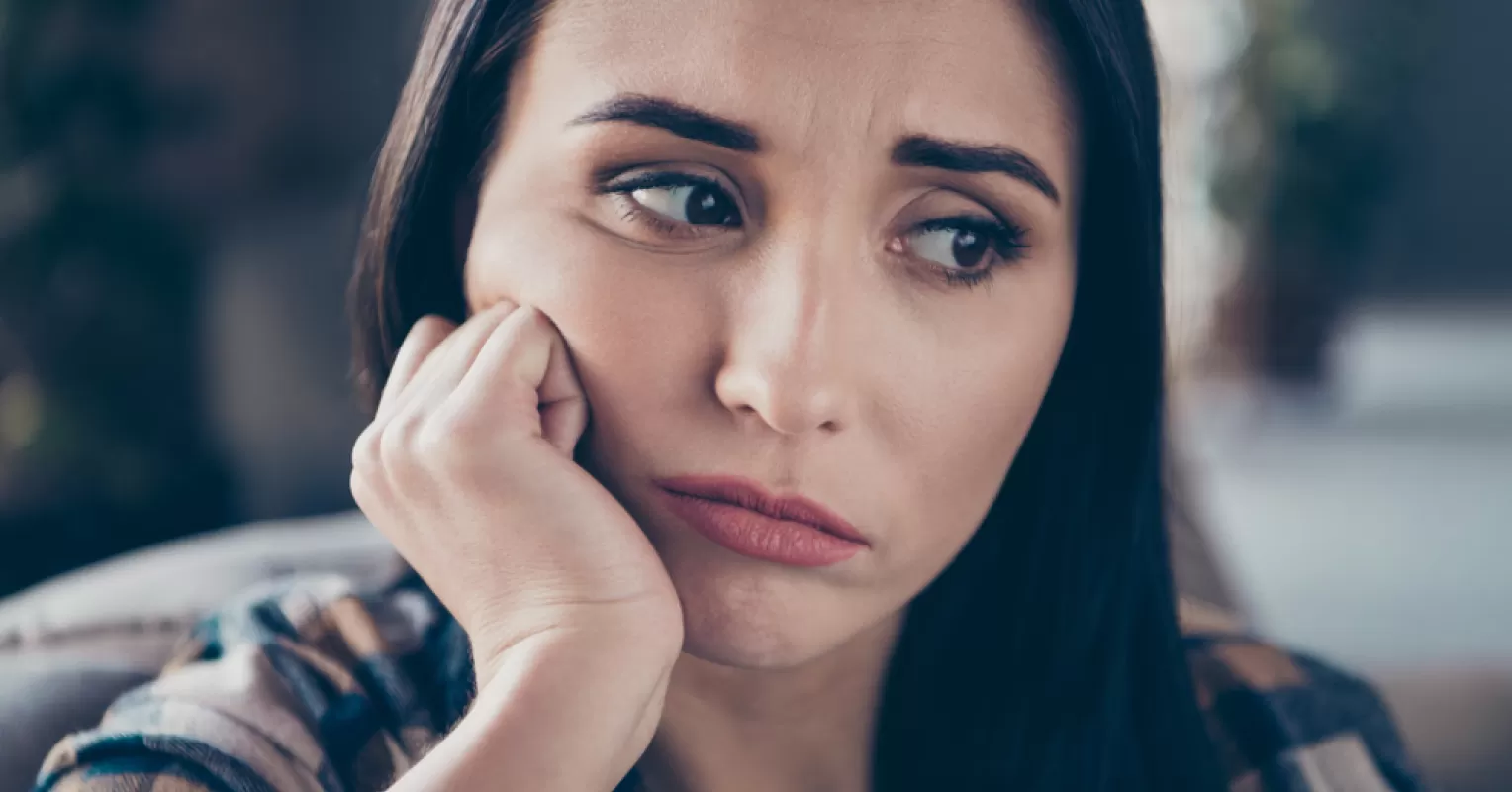
Have you ever felt a tightening in your chest at the thought of opening up to someone you deeply care for? If you’re wondering why you fear vulnerability in close relationships, even when you want to connect, know you’re not alone. This perplexing emotion is more common than you might think, and understanding its roots can illuminate pathways to deeper connection.
Understanding Fear of Vulnerability
Fear of vulnerability often feels like a heavy fog surrounding our relationships, clouding our ability to connect on a deeper level. Vulnerability requires a unique blend of trust and openness, which can feel daunting. It’s as if you’re being asked to lay bare your heart, exposing the beating core of your emotions to another person. Yet, the stakes feel incredibly high when the other person’s reaction could shape your emotional landscape.
At its essence, this fear can stem from past experiences or deeply embedded emotional patterns. If you’ve experienced rejection or betrayal before, your mind may instinctively protect you from further hurt, leading to a hesitance to fully open up, even to those you care for.

A closely related pattern appears in why do I fear asking for what I want in a relationship, which adds more context to this behavior.
Why You Might Fear Vulnerability
One possibility for fearing vulnerability lies in an innate sense of self-preservation. Experiences in childhood, previous romantic relationships, or even lessons learned from family dynamics can shape how safely you feel when opening your heart to someone. Many people unconsciously associate vulnerability with risk, which can trigger anxieties about being judged or abandoned.
Moreover, cultural narratives often valorize strength and stoicism while demonizing emotional exposure. This societal conditioning can morph vulnerability into a liability rather than a strength, heightening the fear associated with it.

A closely related pattern appears in signs you’re staying in a relationship out of fear, which adds more context to this behavior.
Different Meanings of Vulnerability
The interpretation of vulnerability can vary greatly depending on context. For some, it may symbolize intimacy and connection, while for others, it may evoke feelings of exposure and potential rejection. In romantic relationships, one partner may view vulnerability as a cue for growth and bonding, while the other may interpret it as a sign of weakness, leading to a mismatch in expectations.
This disconnect can create a significant emotional chasm, preventing both individuals from truly understanding one another. As a result, what one sees as a courageous act of opening up, the other may perceive as an unwelcome burden.

A closely related pattern appears in How to Overcome Fear of Intimacy: Understanding the Signals, which adds more context to this behavior.
What Not to Assume About Vulnerability
It’s crucial not to assume that fearing vulnerability means you do not care for your partner or friends. Often, this fear is intricately woven with your underlying insecurities, like anxiety about being unworthy of love or concern over how others perceive you. These fears, while personal, don’t diminish your feelings—they may amplify them, complicating how you show love and affection.
Additionally, misunderstanding your own desires can lead to self-sabotage, where the very walls built for protection keep the love and connection at bay. Recognizing that your apprehension is common among many people may help temper the isolation that often accompanies these feelings.
A closely related pattern appears in why do I feel anxious every time I text my partner, which adds more context to this behavior.
Pathways to Greater Vulnerability
Understanding the roots of your fear is the first step towards transcending it. Start by identifying the specific beliefs you hold about vulnerability. Journaling can facilitate this process, allowing you to clarify your thoughts and feelings. Ask yourself: What are my fears rooted in? How has past trauma influenced my ability to be open?
Therapeutic approaches, such as cognitive-behavioral therapy, can also provide frameworks for reframing these fears. By gradually exposing yourself to vulnerability—perhaps through small gestures of openness—you can begin to rewire your emotional responses. Remember, it’s a process; don’t rush it. Building trust, both in yourself and others, takes time.
A closely related pattern appears in why do I feel anxious when visiting empty malls, which adds more context to this behavior.
Frequently asked questions
Why am I scared to be vulnerable in relationships?
Fear of vulnerability often stems from past experiences of rejection or betrayal, which create a sense of self-preservation. Cultural narratives that define vulnerability as weakness can also exacerbate this fear.
How can I overcome my fear of vulnerability?
You can start by journaling your feelings and reflecting on the beliefs that underlie your fear. Gradual exposure to vulnerability in safe contexts, along with seeking therapeutic help, can also aid in overcoming this fear.
Learn more:
About Us |
Editorial Policy |
Content Quality Standards |
Disclaimer