

You might catch yourself feeling trapped in a cycle of blame and helplessness, thinking, “Why do I struggle to break free from a victim mindset in relationships?” It’s a difficult situation where reality feels heavy, and past experiences shape every interaction. Understanding this struggle can not only provide clarity but also guide you towards change.
Understanding the Victim Mindset
The victim mindset often develops from experiences where a person feels powerless or trapped. It’s more than just a fleeting feeling; it becomes a lens through which individuals view their relationships and interactions. When in this mindset, it may feel like the world is against you, and your choices are limited. This perception can create barriers between you and those you care about, making it challenging to form healthy, supportive connections.
Additionally, many might not recognize they’re embodying this mindset. It can manifest as blaming partners for personal unhappiness or feeling like external circumstances dictate emotional states. This recognition is the first step toward breaking the cycle.

A closely related pattern appears in how to break free from the cycle of over-giving in my relationship, which adds more context to this behavior.
Why You Might Be Stuck
Often, people struggle to break free from a victim mindset due to recurring patterns from their past. Traumatic experiences can lead to feelings of learned helplessness, a concept rooted deeply in psychological studies. For instance, when individuals endure repeated emotional or physical hardships, they may internalize these experiences, believing they have no control over their circumstances.
This feeling of powerlessness can solidify over time, making it difficult to shift perspectives. In relationships, this can mean continually gravitating towards partners who reinforce that narrative, as the familiar feels safer, even when it’s harmful.

A closely related pattern appears in why do I struggle to communicate my feelings to my partner, which adds more context to this behavior.
Possible Meanings Based on Context
The reasons behind maintaining a victim mindset can vary significantly depending on one’s history and current environment. For some, it might reflect unresolved trauma, while for others, it could indicate a lack of self-worth or the absence of supportive relationships. Understanding your context is crucial; it helps in identifying what drives these perceptions and behaviors.
For instance, individuals who have faced consistent emotional abandonment may find themselves unconsciously adopting a victim role to protect themselves from further hurt. Conversely, those looking for validation might play into this mindset as a way of seeking attention or sympathy from partners.
A closely related pattern appears in why do I notice small details in my partner’s behavior but struggle to interpret them, which adds more context to this behavior.
What Not to Assume
It’s crucial not to label individuals simply as ‘victims’ based on their behaviors. Instead, consider the nuances of their experiences. Someone might act defensively, not because they want to play the victim, but because they’re trying to guard themselves against future pain. Quick judgments can hinder understanding, therefore deepening the divide in relationships.
Furthermore, it’s important to avoid assuming that all aspects of the victim mindset are negative. For some, recognizing they have been wronged and seeking support can be a healthy part of their healing process. Context matters greatly, and each person’s journey is unique.
A closely related pattern appears in why do I struggle with being my true self around friends, which adds more context to this behavior.
Steps Toward Empowerment
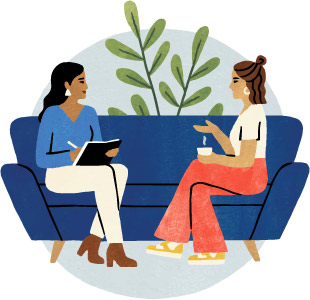
Breaking free from a victim mindset is not a matter of willpower alone; it often requires a supportive framework. Engaging in therapy can provide essential tools for recognizing unhealthy patterns while fostering personal growth. Discussions can help you face past traumas, redefine self-perception, and establish healthier relationship dynamics.
Additionally, surrounding yourself with empathetic, empowering individuals can help alter your narrative. Positive connections encourage a shift from feeling victimized to feeling supported and seen, allowing you to reclaim agency in your life.
A closely related pattern appears in why do I struggle to say no to manipulative friends, which adds more context to this behavior.
Frequently asked questions
How to stop victim mentality in relationships?
To stop a victim mentality in relationships, start by recognizing patterns of blame and helplessness. Engage in open communication with your partner, and consider seeking professional support to address underlying issues. Building self-esteem and surrounding yourself with positive influences can also help shift your mindset.
Why am I stuck in a victim mindset?
Being stuck in a victim mindset often results from past traumas, feelings of learned helplessness, or a lack of supportive relationships. Understanding the roots of these feelings can help you begin to address and change them.
Learn more:
About Us |
Editorial Policy |
Content Quality Standards |
Disclaimer