

Feeling scared of your partner’s digital behavior can be confusing and unsettling. You might find yourself questioning whether your anxiety is justified or if you’re overreacting. It’s not uncommon to feel fearful when your partner’s actions online create doubt about trust and safety. This feeling may resonate with many who have experienced similar situations.
Understanding Your Feelings: Is This Normal?
Finding yourself scared of your partner’s digital behavior often indicates deeper concerns about intimacy, trust, and boundary violations in your relationship. When technology intertwines with personal dynamics, it can blur the lines between healthy communication and invasive monitoring. For many, these fears arise not just from the behaviors themselves but from the implications they carry—what do these actions say about your relationship’s health?
In many cases, it’s completely normal to feel this way. Digital behavior can include things like checking your phone without permission, monitoring social media activity, or even making you feel anxious about their online presence. Recognizing these instincts is the first step towards understanding their meaning.

A closely related pattern appears in what does it mean when my partner doesn’t respond to my texts, which adds more context to this behavior.
Why You May Feel This Way
There are several reasons behind your fear of a partner’s digital behavior. One possibility is past experiences of betrayal or dishonest behavior in relationships, which can create a heightened sensitivity to any perceived threat. If you’ve previously experienced emotional abuse, even in subtle forms, it might intensify your reactions to your partner’s actions.
Another factor is the way modern relationships intertwine with social media and technology. Constant connectivity can make it easier for boundaries to blur, leading to feelings of anxiety. You may begin to wonder if their online interactions are appropriate, or if they are keeping secrets from you. The fear of the unknown can contribute to your discomfort.
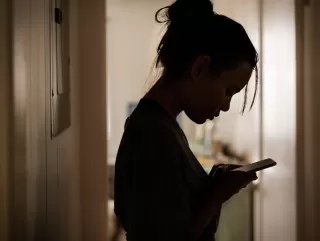
A closely related pattern appears in what does it mean when my partner stops texting as often, which adds more context to this behavior.
Different Contexts: What These Behaviors Could Mean
It’s essential to recognize that not all digital behavior is inherently problematic. Sometimes, your partner might just be overly curious about your life or trying to connect with you in their way. However, if their behavior feels controlling or invasive, it could be a sign of larger issues, such as possessiveness or insecurity. Context matters greatly here.
For example, if your partner frequently checks your messages or questions your online friendships, it may reflect their own insecurities rather than any intended harm. Contrast that with more malicious behaviors, such as sharing personal information without consent or manipulating your social media presence—these should not be swept under the rug. Understanding the nuances of their behavior can provide clarity.

A closely related pattern appears in how do I interpret my partner’s lack of response when I mention my interests, which adds more context to this behavior.
What Not to Assume Too Quickly
It’s easy to jump to conclusions based on your feelings. However, it’s important to differentiate between paranoia and genuine concern. Just because certain behaviors unsettle you doesn’t mean your partner is doing something malicious. Communication plays a critical role; openly discussing your feelings can potentially alleviate misunderstandings.
Avoid making assumptions without gathering more context. A simple conversation can clear the air and provide insights that you might not have considered. Trust your feelings, but also trust your ability to understand the situation as a whole.
A closely related pattern appears in why do I doubt my partner’s love even when they show it, which adds more context to this behavior.
Navigating the Fear: Steps to Take
If you find yourself feeling scared about your partner’s digital behavior, it’s crucial to address it constructively. Start by articulating your feelings without accusations; approach the subject as a discussion rather than a confrontation. This openness can promote understanding and help your partner recognize your fears.
Additionally, reinforcing healthy boundaries regarding digital behavior is vital. Establishing mutual respect in your online interactions can foster a safer space in the relationship. Don’t hesitate to seek professional guidance if your fears persist; a therapist can help navigate these complex feelings and assist in building stronger trust.
A closely related pattern appears in why am I overthinking text messages from my partner, which adds more context to this behavior.
Frequently asked questions
What should I do if I feel scared about my partner’s online behavior?
Open communication is key. Talk about your feelings with your partner and set healthy boundaries regarding digital interactions. Understanding each other’s perspectives can help alleviate fears.
How can I tell if my fear is justified?
Consider the context of your partner’s digital behavior. If it feels invasive or controlling, it may be a cause for concern. Trust your instincts and gather context before drawing conclusions.
Learn more:
About Us |
Editorial Policy |
Content Quality Standards |
Disclaimer