
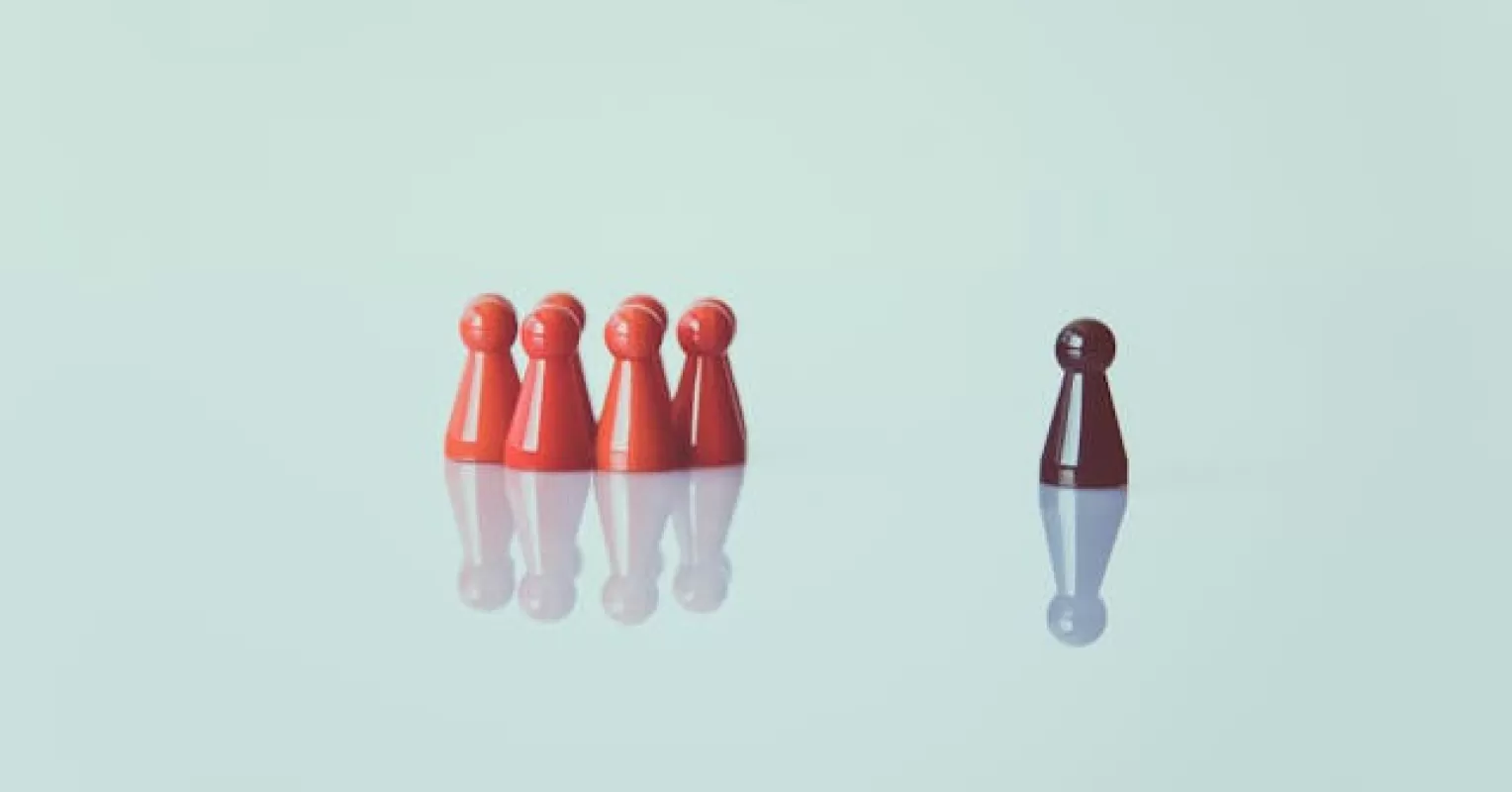
If you’re struggling to reclaim your identity after an enmeshed relationship, you’re not alone. Many individuals in close, entangled connections feel lost, unsure of where their own needs end and those of their partner begin. You might be asking how to find yourself again, especially when everything feels so intertwined.
Understanding Enmeshment
Enmeshment occurs when personal boundaries blur between two people, leading to a highly dependent relationship. In these circumstances, emotional, mental, and even physical boundaries often become compromised, making it difficult to see oneself clearly. For instance, you may feel guilty for wanting time alone or even question your own goals and desires because they seem secondary to the needs of the relationship.
In this state, decision-making shifts; you might find yourself unable to act unless you anticipate the other person’s reactions. This overwhelming sense of togetherness can feel comforting at first, but over time, it often leads to anxiety and resentment, making reclaiming your identity a daunting task.

A closely related pattern appears in how can I spot red flags in dating profiles with pets, which adds more context to this behavior.
Why Enmeshment Happens
Enmeshment usually has roots in family dynamics, where emotional interdependence was the norm. Those raised in enmeshed households often carry these patterns into adult relationships, seeing their worth as inherently tied to others’ feelings. This history can make it especially challenging to differentiate your own needs from those of your partner.
Additionally, cultural factors can perpetuate enmeshment, encouraging individuals to prioritize relationship harmony over personal identity. As a result, many find themselves suppressing their individuality, leading to feelings of confusion and loss.
A closely related pattern appears in what does it mean when my partner seems emotionally distant, which adds more context to this behavior.
Different Meanings of Identity Loss
Losing your identity in an enmeshed relationship can manifest in various ways. You might feel a pervasive sense of emptiness, disorientation, or even anxiety at the thought of asserting yourself. Navigating these feelings isn’t straightforward; the struggle often revolves around understanding that your identity is separate and valid.
Many individuals report feelings of guilt or fear about disturbing the status quo, worrying that asserting their needs may lead to conflict or rejection. It’s crucial to recognize that you’ve likely internalized these fears, which can feel stifling as you try to claim back your individuality.

A closely related pattern appears in why is my partner distant after we have sex, which adds more context to this behavior.
What Not to Assume About Yourself
One common mistake is to assume that your needs are selfish or wrong. If you feel guilty for wanting time away from your partner or to pursue your interests, you’re not alone. It’s important to realize that a healthy relationship thrives on both individuals being able to maintain their sense of self.
Another misconception is that you need immediate clarity about your identity. In reality, this reclaiming process takes time. Be patient with yourself; it’s entirely normal for these feelings and realizations to unfold gradually as you begin to set boundaries.
A closely related pattern appears in why does my partner seem emotionally distant after we have been close, which adds more context to this behavior.
Steps to Reclaim Your Identity
To start reclaiming your identity, consider these practical steps. First, begin setting small boundaries. Communicate what you need without fear; clarity will help both you and your partner understand each other better. For instance, if you need quiet time to read or pursue a hobby, express that directly.
Second, engage in self-reflection. Journaling your feelings or discussing your experiences with a trusted friend or therapist can provide insights into your own needs and desires. Lastly, prioritize self-care. Nurturing your physical, emotional, and mental health is crucial during this rediscovery phase. Remember, you are worthy of having your needs met.
A closely related pattern appears in why am I feeling distant from my partner during the colder months, which adds more context to this behavior.
Frequently asked questions
How long does it take to heal from enmeshment?
Healing from enmeshment can vary widely, depending on individual circumstances. Many people may take months to years to fully reclaim their identity and establish healthy boundaries. It’s important to be patient and give yourself the time needed to grow.
What is the 65% rule in relationships?
The 65% rule suggests that in relationships, both partners should ideally contribute at least 65% toward the relationship’s needs while still prioritizing their own individual needs. This balance helps maintain a healthier dynamic and allows for personal growth.
How to heal enmeshment trauma?
Healing enmeshment trauma often requires setting clear boundaries, engaging in self-reflection, and seeking support from friends or a mental health professional. These steps help individuals distinguish their own identity separate from the relationship.
Learn more:
About Us |
Editorial Policy |
Content Quality Standards |
Disclaimer