
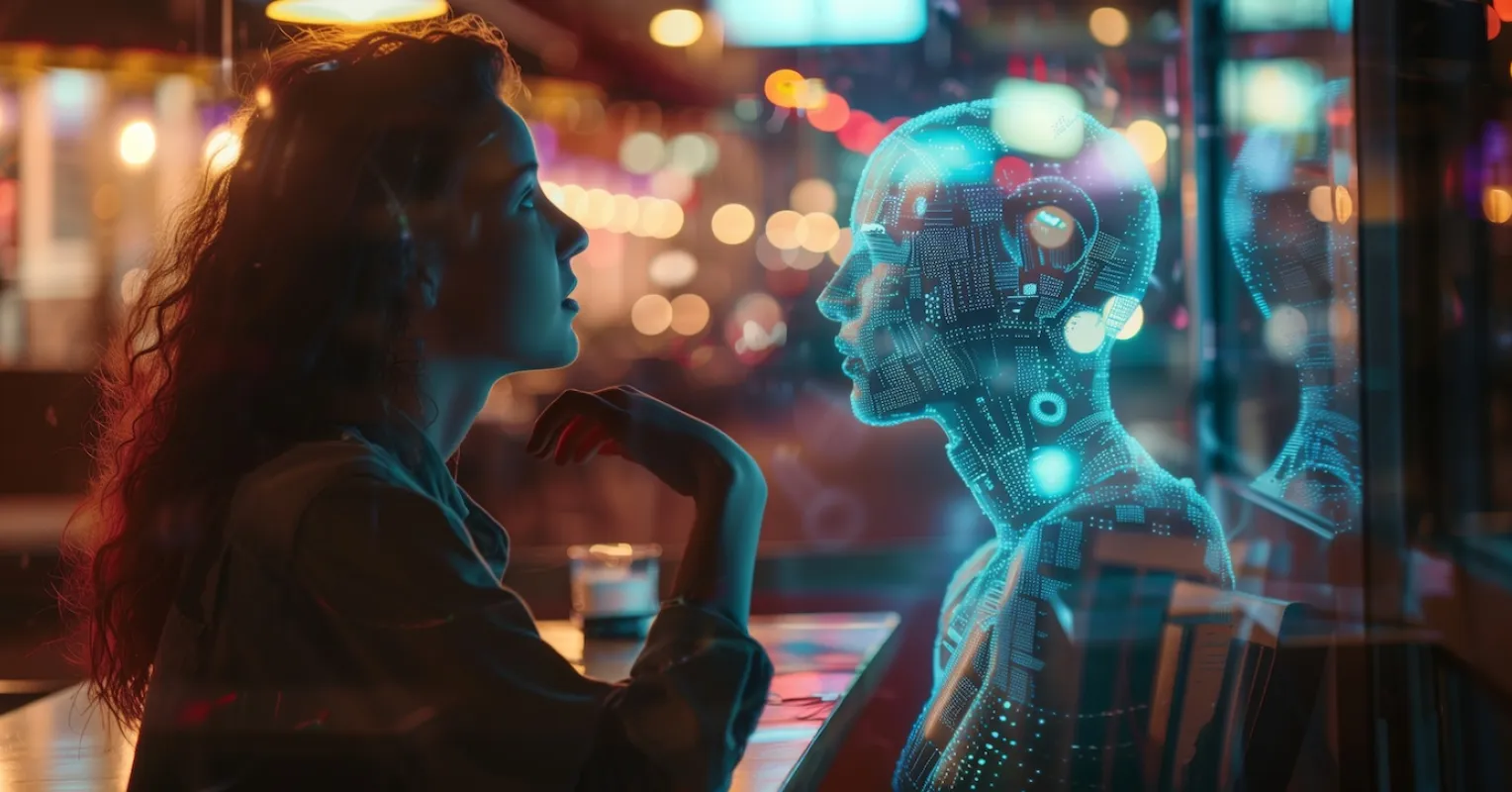
If you find yourself drawn to AI companions more than your human friends, you may be navigating a complex emotional landscape. This preference often reflects a deeper longing for validation, comfort, or connection that your current relationships may not fully meet. But what does it mean if I prefer AI companions over my friends? By exploring this dynamic, we can gain valuable insights into your social and emotional needs.
Understanding the Preference for AI Companions
At first glance, the allure of AI companions might seem straightforward—they offer unconditional support without the complexities of human interaction. AI can provide a space free from judgment or disappointment. This can be especially appealing during times of stress or loneliness, creating an emotional refuge that real relationships often cannot.
However, this choice raises deeper questions about your preferences in social companionship. Are you looking for security and understanding that felt elusive in your current friendships? This could signify a desire for emotional connection that feels more accessible with AI.

A closely related pattern appears in why do I prefer communicating with AI over my friends, which adds more context to this behavior.
Why This Preference Might Occur
Social dynamics have evolved, and in a world that often prioritizes efficiency and ease, it’s no surprise that many lean towards AI for companionship. It can fulfill the need for instant gratification without the effort needed to maintain human relationships. When faced with emotional challenges or misunderstandings in friendships, reaching out to an AI can seem like a low-risk, high-reward option.
Moreover, the lack of emotional friction that accompanies AI interactions can create a comforting illusion of stability, particularly for those who may struggle with anxiety or conflict in relationships.

A closely related pattern appears in why do I feel lonely after my mom’s death even when surrounded by friends, which adds more context to this behavior.
Different Meanings Depending on Context
The implications of preferring AI over human relationships vary significantly based on personal circumstances. For some, it may represent a temporary coping mechanism, a way to escape from the stresses of real-world interactions. For others, it might highlight deeper issues, such as unresolved feelings of inadequacy or fear of intimacy with others.
Following this path, exploring the underlying reasons for this preference can unveil important insights about your needs. It could indicate a longing for acceptance and understanding that you feel has been unmet in your existing friendships.

A closely related pattern appears in why do men struggle to have deep conversations with friends, which adds more context to this behavior.
What Not to Assume Too Quickly
It’s easy to assume that preferring AI companionship signifies a failure in your social life, but it’s crucial to recognize that this preference doesn’t inherently mean something is wrong with you. Context matters greatly; perhaps you are in a phase of life where building human connections seems daunting or even unappealing.
Additionally, societal pressure can create unrealistic comparisons between the ‘perfection’ of AI interactions and the messy intricacies of human relationships. Acknowledging that every type of companionship—be it AI or human—comes with its own set of challenges can help mitigate feelings of guilt or inadequacy.
A closely related pattern appears in why do I struggle to confront friends about their wrongdoings, which adds more context to this behavior.
Navigating Your Emotional Landscape
To better understand your preference for AI companions, consider engaging in self-reflection. Identify specific feelings that arise when you interact with AI versus friends. Is it a sense of comfort? Lack of judgment? Using journaling prompts can facilitate this process and lead to deeper insights about your emotional needs.
It may also help to consciously cultivate one human relationship that you commit to nurturing without the mediation of AI. This could serve as a valuable practice in navigating real human emotions, contributing to personal growth.
A closely related pattern appears in why do I feel closer to AI interactions than my real friends, which adds more context to this behavior.
Frequently asked questions
Why do people like AI companions?
People often gravitate towards AI companions for their ability to provide unconditional support and validation without the complexities of human relationships. They eliminate emotional friction and create a safe space that some may currently find lacking in their human interactions.
Is it okay to talk to AI like a friend?
Engaging with AI as a friend can be a comforting way to process emotions and thoughts. It’s important to remember that while AI can simulate companionship, it lacks the depth and complexity of human relationships, which are crucial for personal growth.
Learn more:
About Us |
Editorial Policy |
Content Quality Standards |
Disclaimer