
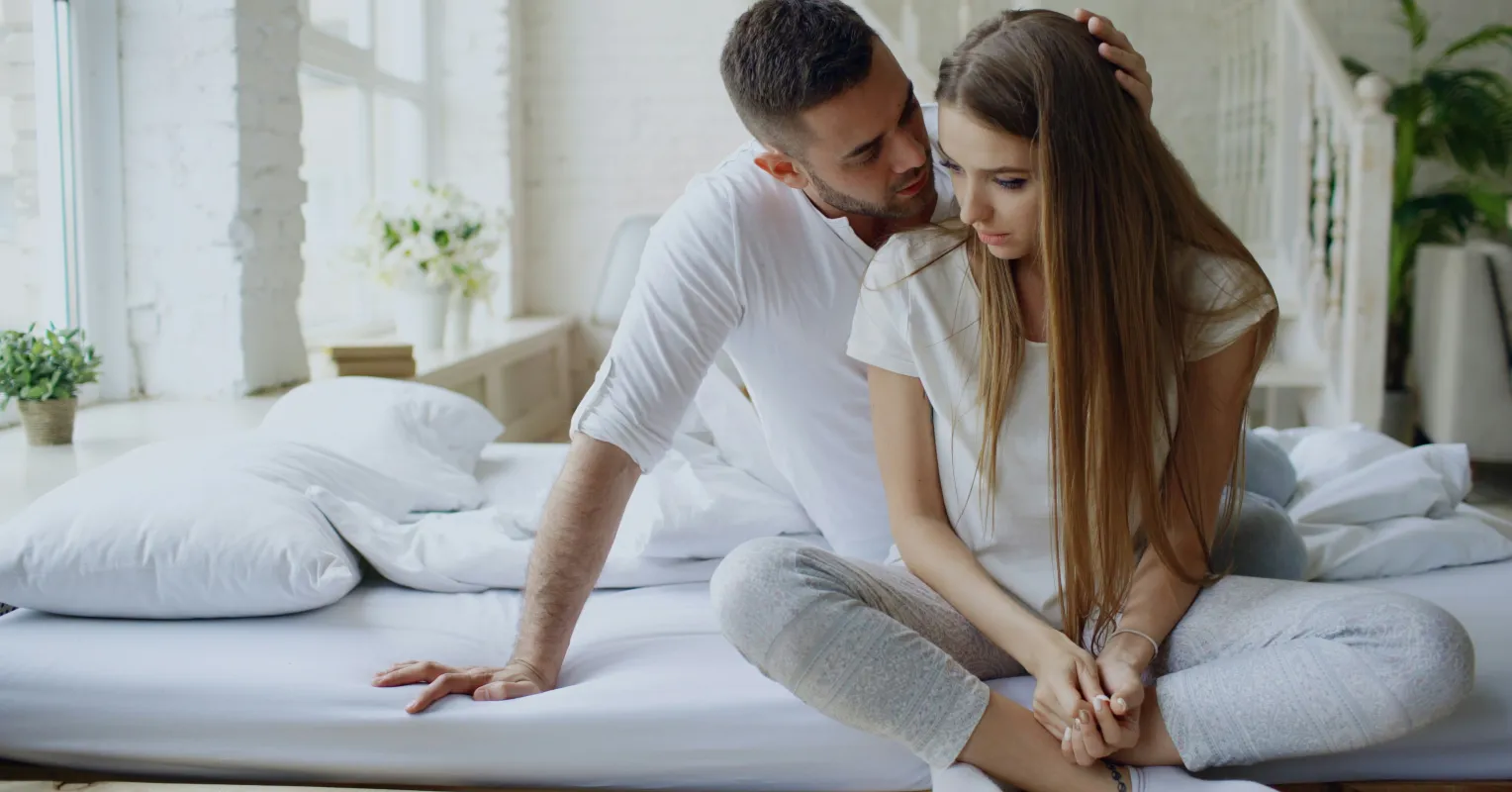
Feeling helpless when your partner gets overwhelmed with anxiety can leave you questioning what to do next. You may wonder if your attempts at reassurance are helping or if they only contribute to the anxiety spiral. Understanding effective ways to support them while taking care of your own emotional needs is crucial in these moments.
Understanding Anxiety in Relationships
When your partner experiences anxiety, their state often affects not just them but also the relationship. Anxiety is contagious, operating through our nervous systems in ways that may leave you feeling anxious or overwhelmed, too. This shared emotional landscape can create confusion for both partners, especially when there’s a lack of understanding about how anxiety manifests in daily interactions.
Recognizing the signs is the first step. Symptoms can range from irritability and over-communication to withdrawal and silence. Understanding these cues can help you better navigate the emotional currents within the relationship.

A closely related pattern appears in why do I feel anxious about my partner’s spending habits, which adds more context to this behavior.
Why Your Partner May Become Overwhelmed
There are many factors contributing to a partner’s anxiety, including past experiences, current stressors, or even unresolved internal conflicts. Often, anxious individuals feel a heightened sense of threat or uncertainty, which drives them to seek reassurance. This reaction, while understandable, can create a cycle of anxiety that’s hard to break.
In many cases, the anxious partner may not even realize they are overwhelming themselves or their partner. The internal battle can look different from the outside, leaving you feeling uncertain about how to step in without making things worse.

A closely related pattern appears in why do I feel anxious when my partner gives me feedback, which adds more context to this behavior.
Common Misunderstandings About Anxiety in Relationships
It’s easy to assume that if you give your partner reassurance, they’ll feel calm. However, this isn’t always the solution. In fact, constant reassurance can sometimes contribute to a dependency that escalates anxiety. Rather than fostering security, it may inadvertently tighten the grip of anxious thoughts.
Another common misconception is thinking that you must always be available to help. While it’s important to offer support, neglecting your emotional needs can lead to resentment or burnout. Balancing support with self-care is essential for both partners.

A closely related pattern appears in why do I feel anxious when discussing future changes in relationships, which adds more context to this behavior.
Strategies for Supporting Your Partner During Moments of Anxiety
Start with validation. Instead of trying to fix the situation, acknowledging your partner’s feelings can help calm their nervous system. Phrases like ‘I see how intense this feels for you’ communicate empathy without confirming anxious fears.
Staying grounded in your own body can also make a difference. When your partner’s anxiety spikes, ensuring you’re not reacting from a place of panic can help create a more stabilizing environment. Simple practices like deep breathing or taking a moment before responding can mitigate emotional escalation.
A closely related pattern appears in why do I feel anxiety when my partner and I don’t argue about serious topics, which adds more context to this behavior.
When to Seek Professional Support
In instances where anxiety becomes unmanageable, it may be helpful to seek professional guidance. Therapy offers structured methods for both you and your partner to navigate the complexities of anxiety together. By working with a trained professional, you can learn tailored coping strategies and reinforce healthy boundaries.
Encouraging your partner to explore their own avenues for support—whether through therapy, support groups, or relaxation practices—can also alleviate some of the emotional pressure that falls on you as a partner.
A closely related pattern appears in why do I panic when my partner doesn’t respond immediately, which adds more context to this behavior.
Frequently asked questions
How to handle a spouse with anxiety?
Supporting a spouse with anxiety involves understanding their triggers, providing validation, and encouraging professional help when necessary. It’s crucial to balance this support with self-care.
What is the 3 3 3 rule for anxiety?
The 3 3 3 rule is a grounding technique where you identify three things you see, three things you hear, and three things you can touch. This can help bring focus back to the present moment.
How do I help my partner when anxious and overwhelmed?
You can help by validating their feelings without trying to fix them, staying calm and grounded, and encouraging small steps forward. Offering sincere support is key.
Learn more:
About Us |
Editorial Policy |
Content Quality Standards |
Disclaimer