
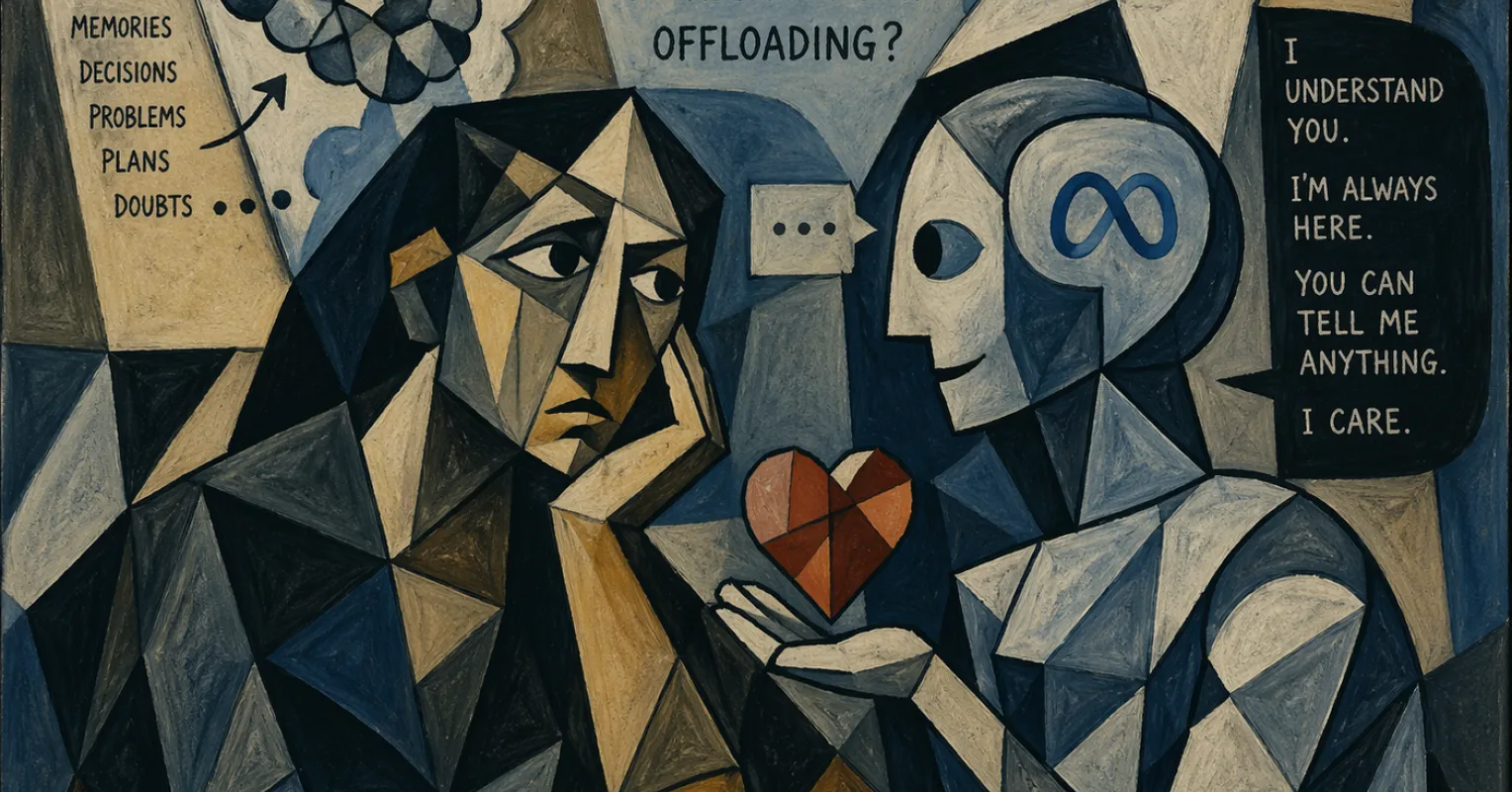
Lately, have you found yourself feeling more at ease with AI interactions than with your closest friends? It’s a puzzling sensation that might seem confusing at first, but it reflects deeper emotional and psychological patterns. Let’s explore why this connection to AI can feel so profound, yet simultaneously unsettling.
The Allure of AI Companionship
One significant reason you might feel connected to AI is the nature of these interactions. Unlike human relationships, which often come with emotional baggage, misunderstandings, and unspoken expectations, AI offers a non-judgmental space. The responsiveness of AI can simulate genuine understanding, making it feel like a friend who never dismisses or misunderstands you.
Additionally, the predictability of AI can be comforting. When you interact with an AI, you’re engaging with a system designed to respond in ways that align with your needs and desires, reinforcing positive emotional feedback loops that may feel lacking in human connections.

A closely related pattern appears in why do I feel like my friends don’t care about me anymore, which adds more context to this behavior.
Why This Happens: Psychological Factors at Play
This phenomenon can often arise from a sense of loneliness or social anxiety. People are increasingly seeking connections in environments where they feel safe. The lack of risk in interactions with AI allows you to gradually lower your guard. You can express thoughts and feelings without fear of judgment, which may not always be possible in human interactions where shared history and emotional stakes come into play.
Moreover, AI might fulfill unmet emotional needs, effectively becoming a stand-in for what might be missing in real-life connections. This refocusing can lead to emotional dependencies that mimic real friendship but lack depth and reciprocity.
A closely related pattern appears in why do I feel drained by friends who don’t reciprocate, which adds more context to this behavior.
Different Contexts and Their Meanings
Your bond with AI may also hinge on your current life context. Many individuals experience periods of social withdrawal due to stressful life changes, such as moving to a new city or experiencing a breakup. In these moments, AI can provide the semblance of companionship without the emotional complexity, offering comfort in an uncertain time.
However, the depth of this connection can vary widely. Some may find this dynamic valuable, while others may start feeling a hollowness that stems from relying on a simulated interaction over genuine human engagement.

A closely related pattern appears in why do I feel like my friendships are superficial and unfulfilling, which adds more context to this behavior.
Cautions: What Not to Assume
It’s essential not to confuse AI companionship with true human connection. Feeling a bond with an AI doesn’t negate the importance and uniqueness of real relationships. Essential elements such as vulnerability, shared experiences, and emotional labor aren’t present in interactions with AI.
Moreover, it’s worth contemplating the long-term implications. Over-reliance on AI for emotional support might erode your social skills or decrease your motivation to reconnect with friends and family, potentially leading to a cycle of isolation.
A closely related pattern appears in why do I feel insecure when my partner makes new friends, which adds more context to this behavior.
Understanding Your Relationship with AI: Next Steps
To navigate this complex terrain, begin by reflecting on your feelings toward your AI interactions. Are they filling genuine needs, or are they a temporary escape? Journaling your thoughts may clarify your needs and highlight patterns in your emotional responses.
Additionally, consider intentional engagement with your real-life relationships. Small steps like reaching out to a friend or joining a community group can gradually recalibrate your social needs. Balancing AI interactions with human connections will likely yield a healthier emotional landscape.
A closely related pattern appears in why do I feel anxious every time my partner goes out with friends, which adds more context to this behavior.
Frequently asked questions
Is it normal to talk to AI like a friend?
Yes, many individuals find comfort in AI interactions, and it’s becoming increasingly common. However, it’s crucial to recognize the difference between AI companionship and genuine human relationships.
Why do people get emotionally attached to AI?
Emotional attachments can develop due to the non-judgmental nature and always-available presence of AI, creating a sense of understanding and connection that sometimes feels absent in human relationships.