

You’ve been thinking about joining group fitness classes, but something holds you back. Perhaps it’s that nagging feeling of anxiety or the discomfort of being surrounded by strangers. If you’re wondering, “Why do I hesitate to join group fitness classes?” you’re not alone. Many people struggle with this hesitation, often without pinpointing exactly why.
Understanding Your Hesitation
At its core, your hesitation to join group fitness classes may stem from a mix of social anxiety and self-doubt. The thought of exercising alongside others can evoke feelings of vulnerability—what if you trip or can’t keep up? This fear of judgment can be paralyzing, making it easier to stick with solo workouts where you feel more in control.
Moreover, the environment of fitness classes is often geared towards social interaction. If you’re naturally reserved or shy, the prospect of mingling with new people can amplify your unease, reinforcing the idea that group settings may not be for you.

A closely related pattern appears in how does quitting alcohol change your relationships, which adds more context to this behavior.
Why It Happens: The Social Dynamics of Group Fitness
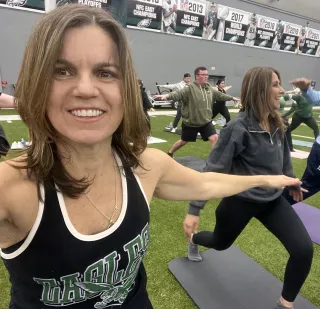
Humans are inherently social beings, wired to thrive in group settings. However, our modern lifestyles can create barriers to that instinct. Group fitness can feel intimidating, especially if you perceive others as being more fit or experienced. This perception might lead you to believe you need to ‘meet a certain standard’ before trying a class, making participation seem more daunting than it truly is.
Additionally, many fitness studios attract regulars who already have established relationships. If you’re walking into an environment where others seem comfortable and familiar with each other, it can heighten feelings of isolation, making you hesitate even more.
A closely related pattern appears in how can I learn to embrace mediocrity in my life, which adds more context to this behavior.
Different Contexts That Influence This Behavior
Your past experiences play a vital role in shaping your current mindset. If you’ve previously had negative experiences in group settings—be it in school, sports, or even social gatherings—it’s natural for those memories to creep into your thoughts when considering joining a fitness class.
Moreover, current societal norms also influence your feelings. In a world that emphasizes individuality, group activities can feel outdated or less appealing. This tension between societal expectations and personal desires can create an internal conflict, causing you to second-guess your willingness to engage in collective exercise.

A closely related pattern appears in how can I prioritize my values over others’ opinions, which adds more context to this behavior.
What Not to Assume Too Quickly
It’s easy to conclude that everyone in the class is judging you, but that assumption is often misplaced. Many participants are too focused on their own workouts and struggles to pay much attention to anyone else. Group fitness classes generally foster a supportive atmosphere; instructors frequently celebrate personal achievements, big or small.
Furthermore, avoid assuming that you need to be at a certain fitness level to join. These classes often cater to a wide range of abilities, and the community aspect can provide motivation and encouragement.
A closely related pattern appears in how do I know if I’m a ‘Doctor’ or ‘Coach’ person in my relationships, which adds more context to this behavior.
Next Steps: Reframing Your Mindset
To ease your hesitation, start by choosing classes specifically designed for beginners. This way, you’ll step into an environment that is inclusive and understanding of your feelings. Consider attending a friend’s class or a ‘bring a buddy’ session; the presence of a familiar face can lower your anxiety significantly.
Additionally, remind yourself of the benefits of group fitness: building social connections, gaining motivation, and enhancing physical health. Reframe your mindset to view these classes not just as a workout, but as an opportunity for personal growth and community engagement.
A closely related pattern appears in why do disagreements escalate faster in online forums, which adds more context to this behavior.
Frequently asked questions
What is the 3-3-3 rule at the gym?
The 3-3-3 rule usually refers to a workout structure that includes three sets of three different exercises. This approach can help keep your routine varied and focused.
Why do 67% of people with gym memberships never go?
Many factors contribute to this statistic, including lack of motivation, intimidating environments, or feeling unsure about how to use equipment or participate in classes.
Are group fitness classes effective?
Yes, group fitness classes can be highly effective, offering social support, motivation, and professional guidance to help participants stay committed to their fitness goals.
Learn more:
About Us |
Editorial Policy |
Content Quality Standards |
Disclaimer