

If you’ve ever found yourself feeling disheartened by a constant comparison to those seemingly ‘extraordinary’ lives on social media, you might be grappling with the question: how can I learn to embrace mediocrity in my life? Accepting mediocrity doesn’t mean settling for less; it’s about recognizing that average can be okay and, quite often, liberating.
What Embracing Mediocrity Means
To embrace mediocrity means to accept that you don’t always have to be the best at everything. This awareness can bring a sense of peace and relief, freeing you from the constant pressure to achieve monumental success in every area of your life. It invites you to appreciate the small victories and everyday joys that get lost in the chase for greatness.
However, this isn’t a call to give up or become complacent with your aspirations. Instead, it’s about tempering your expectations and understanding that being ‘average’ in some aspects isn’t a failing—it’s a reflection of human diversity. We all have different strengths and weaknesses, and that’s what makes life rich and varied.
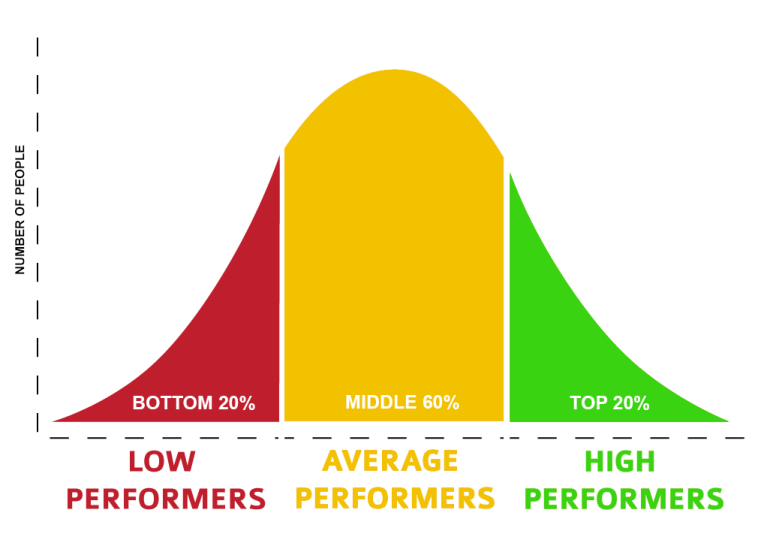
A closely related pattern appears in how can I prioritize my values over others’ opinions, which adds more context to this behavior.
Why Do We Struggle with Mediocrity?
In a world flooded with ‘perfect’ portrayals on social media, it’s tempting to feel inadequate if your life doesn’t mirror those images. This societal pressure breeds insecurity and fuels a relentless pursuit of success that can be exhausting and ultimately unfulfilling. The ‘tyranny of exceptionalism’ looms over us, convincing individuals that anything less than brilliance is failure.
Psychologically, this can result in anxiety and dissatisfaction since we continually measure our self-worth against unattainable standards. The key here is awareness; recognizing this societal influence can help you shift your perspective and recognize that it’s okay to not be exceptional at everything.
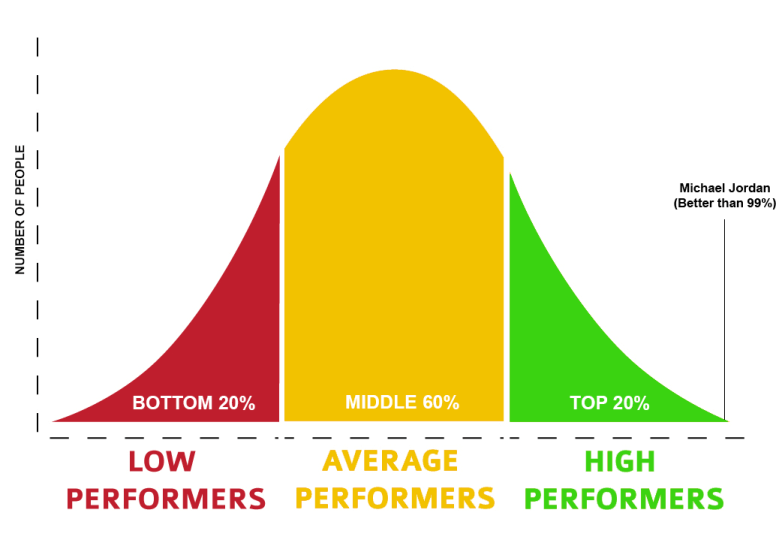
A closely related pattern appears in how do I know if I’m a ‘Doctor’ or ‘Coach’ person in my relationships, which adds more context to this behavior.
Context Matters: Understanding Where You Are
Embracing mediocrity also hinges on context. In specific fields, striving for excellence might be crucial, such as in competitive professions or artistic endeavors. Yet, in areas like hobbies or personal interests, being mediocre can be more than sufficient. It’s essential to know when to push for greatness and when to simply enjoy the journey without stress.
For example, consider your approach to fitness. If you’ve been trying to keep up with elite athletes, it might feel discouraging. Instead, focusing on how your workouts contribute to your health and mood can be liberating. Embrace those workouts that feel good, regardless of how they compare to others.
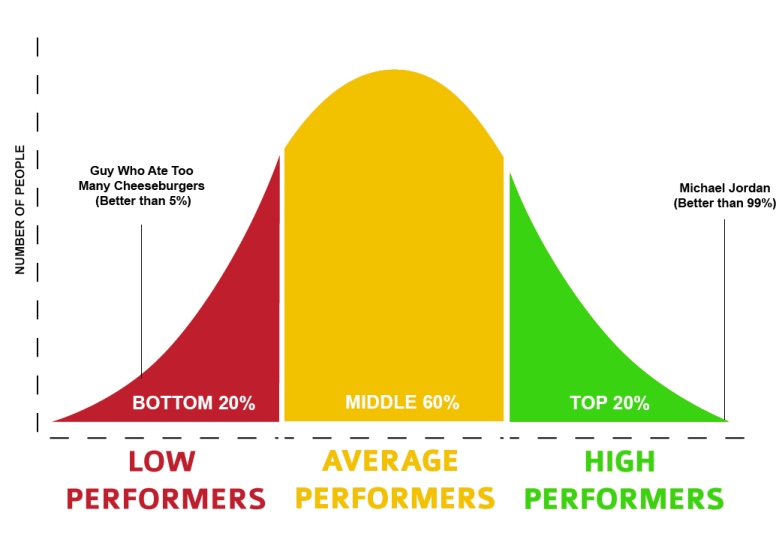
A closely related pattern appears in why do disagreements escalate faster in online forums, which adds more context to this behavior.
Avoiding Common Misconceptions
A common fear is that accepting mediocrity equates to giving up. On the contrary, acknowledging where you stand can motivate you toward personal growth without the added pressure of perfection. Many mistakenly believe that lowering their expectations leads to stagnation. In reality, understanding and accepting your average abilities can foster genuine motivation to improve what you truly care about.
It’s crucial to differentiate between healthy ambition and harmful social expectations. It’s about setting personal benchmarks that resonate with your values and aspirations rather than those dictated by external validation.
A closely related pattern appears in what does it mean when my partner is frequently scrolling on social media, which adds more context to this behavior.
The Path to a Fulfilling Life
Ultimately, embracing mediocrity is about finding fulfillment in your unique journey. It requires a cultural shift in your mindset, steering away from relentless competition and toward self-acceptance. By redefining success on your terms, you create a life that feels rich in experience rather than narrow in achievement.
Remember, it’s not about whether you hit the high notes every time but about recognizing the beauty in your journey, the friendships you forge, and the simple joys in life. Focus on meaningful experiences, personal connections, and the passion behind what you do, rather than comparing yourself to the standards set by society.
A closely related pattern appears in what does it mean when my partner avoids deep conversations, which adds more context to this behavior.
Frequently asked questions
What is the root of mediocrity?
The root of mediocrity often lies in societal expectations and the pressure to be extraordinary. Many people feel that their worth is tied to comparison with others, leading to a reluctance to accept average abilities.
How do you cope with being mediocre?
Coping with mediocrity involves shifting your focus from societal standards to personal happiness and fulfillment. Engage in activities that bring you joy and cultivate self-acceptance, recognizing that being average in some areas is perfectly okay.
Learn more:
About Us |
Editorial Policy |
Content Quality |
Disclaimer