
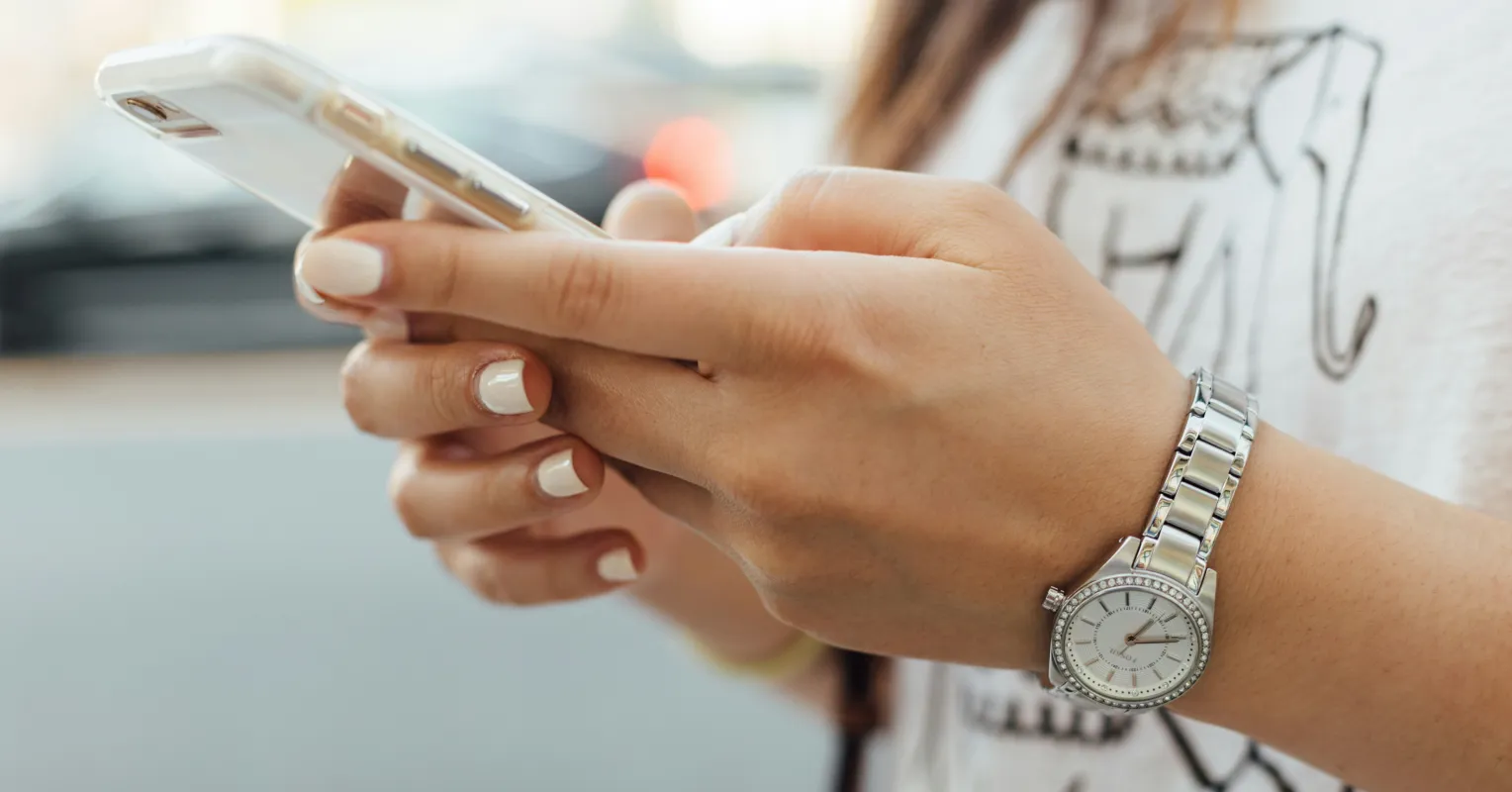
Do you feel a knot in your stomach every time your partner dives into their phone while you’re together? This uncomfortable mix of anxiety and rejection is common and often stems from a phenomenon known as ‘phubbing’—a modern form of social snubbing where one partner prioritizes their phone over the other person. If you’re asking, ‘why does my partner’s phone usage make me feel insecure?’, you’re not alone, and there are deeper reasons behind these feelings.
Understanding Phubbing and Its Impact
Phubbing can seem trivial at first glance, but its emotional repercussions can be profound. When your partner consistently chooses their device over engaging with you, it can feel like a message that you’re not worth their full attention. Researchers have found that this behavior can lead to feelings of neglect and resentment, especially in those with anxious attachment styles.
A study conducted at the University of Southampton revealed that individuals who experience partner phubbing can report increased levels of depression and lower self-esteem. The core issue isn’t just phone usage; it’s about connection and validation and how both are jeopardized by constantly competing for attention against a screen.

A closely related pattern appears in why do I feel insecure about my partner’s feelings, which adds more context to this behavior.
Reasons Behind Your Insecurity
One reason your partner’s phone use may trigger feelings of insecurity is that phones can serve as both a distraction and a shield. When your partner is on their phone, they might be physically present but emotionally distant. This can awaken fears of rejection or inadequacy. You might wonder, ‘Is their phone more important than our relationship?’
In many cases, these feelings aren’t just about the phone itself; they reflect deeper emotional needs. Feelings of anxiety or insecurity may arise if you’re craving validation and connection, which seems to be sidelined by mobile distractions. It’s crucial to identify these emotional patterns as they can guide meaningful conversations with your partner.

A closely related pattern appears in why do I feel insecure in my relationships despite being loved, which adds more context to this behavior.
Context Matters: Different Scenarios
The context of your partner’s phone usage is key to interpreting these feelings. For example, if they are using their phone during shared activities like dinner or while you’re trying to talk, it may feel like a direct dismissal. However, if they’re quickly checking notifications during a quiet moment, this might not carry the same weight.
Understanding these nuances can help you gauge how much their phone habits affect your feelings. An open discussion about the habits that make you uncomfortable can lead to healthier boundaries and better communication.

A closely related pattern appears in what to do if my partner’s strengths make me feel insecure, which adds more context to this behavior.
What Not to Assume About Their Intentions
It’s easy to jump to conclusions about why your partner is glued to their phone. You may assume they’re disinterested in you or engaged in conversations with someone else. However, context matters, and assumptions can lead to misunderstandings. Remember that their phone usage may stem from work obligations, social media habits, or simply the need to unwind.
This is where open lines of communication become vital. Rather than making accusations or succumbing to feelings of inadequacy, frame your concerns as a desire for connection. This can defuse potential conflict and foster a deeper understanding of each other’s needs.
A closely related pattern appears in how do I reassure my partner when they are feeling insecure, which adds more context to this behavior.
Moving Forward: Building Connection
To address the feelings of insecurity that may arise from your partner’s phone usage, try setting some boundaries together. Discuss phone-free times during meals or when winding down in the evening to create more opportunities for connection. Establishing these rituals can help bridge the emotional gap caused by distractions.
Additionally, share your feelings openly. Use ‘I’ statements to express how their phone usage makes you feel instead of attacking their behavior. This approach encourages dialogue and can lead to constructive changes that improve your relationship.
A closely related pattern appears in why do I feel insecure when my partner spends time with friends, which adds more context to this behavior.
Frequently asked questions
What is pocketing in a relationship?
Pocketing refers to when a partner keeps their relationship hidden from others, such as not introducing you to friends or family. It can lead to feelings of insecurity and rejection.
What is the 7 7 7 rule in marriage?
The 7 7 7 rule suggests spending seven minutes a day talking, seven hours a week enjoying quality time together, and seven dates a year to keep the romance alive.
What is a red flag for spouse phone behavior?
Excessive phone usage or secrecy about phone activity can be red flags in a relationship, indicating a lack of openness and emotional investment.
Learn more:
About Us |
Editorial Policy |
Content Quality Standards |
Disclaimer