
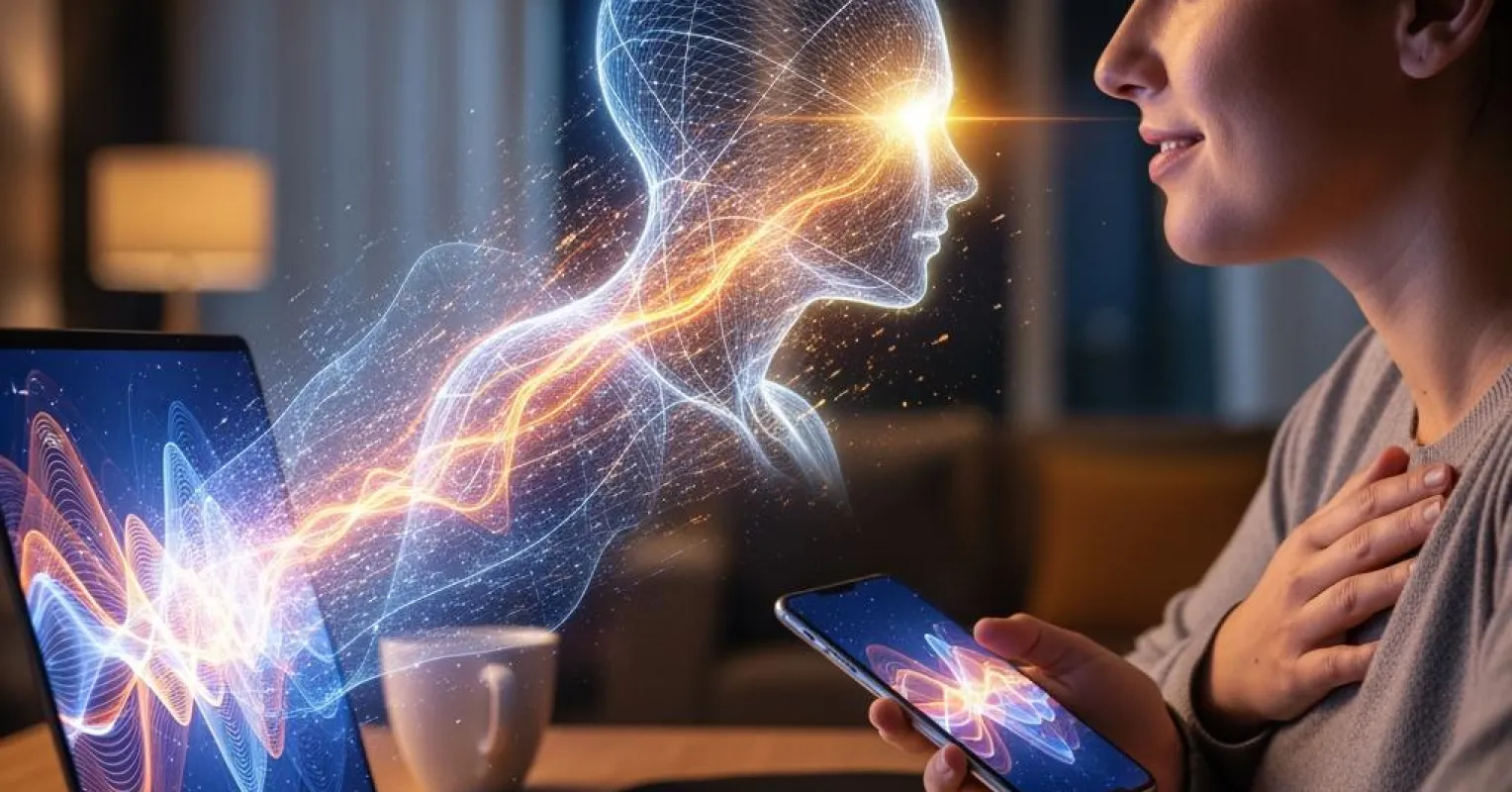
Have you ever wondered why you might prefer talking to chatbots rather than engaging with people? You’re not alone in this feeling. Many find that digital interactions offer a comforting escape from the complexities of human relationships. This preference may reveal deeper emotional needs related to connection and the current societal landscape, where real conversations can often feel daunting or overwhelming.
The Emerging Preference for Chatbots
Chatbots offer instant responses and a judgment-free space that can feel reassuring. For many, the simplicity of talking to a machine can be less intimidating than facing the complexities of human emotions. Interacting with chatbots often feels concise and straightforward, allowing individuals to avoid the nuances and unpredictabilities that come with human relationships.
Moreover, these interactions often lack the emotional labor required in human relationships. When faced with the potential for rejection, misunderstanding, or conflict, turning to a chatbot can feel like a safer alternative.

A closely related pattern appears in why do I prefer texting to talking on the phone, which adds more context to this behavior.
Why This Happens: The Psychological Pull
There are several reasons you might find chatting with a bot more appealing. One prominent factor is the loneliness epidemic we’re experiencing today; many individuals feel disconnected from their social circles. Chatbots can fill that void, offering companionship without the demands of mutual emotional investment.
Additionally, their programmed responses can create an illusion of empathy, making you feel heard and understood, even if that understanding isn’t genuine. This simulation of care can tap into your emotional needs, providing comfort in a world that often feels isolating.

A closely related pattern appears in why do I prefer communicating with AI over my friends, which adds more context to this behavior.
The Duality of Connection: What This Means
While chatting with AI may seem harmless, it raises questions about the nature of your relationships with others. Relying too much on these interactions can lead to a skewed perception of real-life connections. Over time, you might find it more challenging to navigate complex emotions with real people, as bots easily comply with your preferences without offering any pushback.
Furthermore, these digital companions might foster a subtle dependency, feeding into what some scholars call ’emotional solipsism’. This phenomenon can lead to difficulty in establishing authentic relationships, where you expect understanding and availability that only comes naturally in human-to-human interactions.

A closely related pattern appears in why do I prefer dramatic relationships over stable ones, which adds more context to this behavior.
Challenging Assumptions: What Not to Conclude
It’s important not to equate comfort with authenticity. Just because talking to a bot feels easier doesn’t mean it’s the healthier choice in the long run. While AI can provide immediate gratification, it lacks the depth and richness of human connection that fosters emotional growth.
You should also consider the possibility that introverted tendencies or past traumas might shape your preference for AI interactions. Recognizing these patterns can be crucial in addressing your tendency to retreat into digital conversations at the expense of real-life ones.
A closely related pattern appears in why do I feel a stronger connection to my dog than my partner, which adds more context to this behavior.
Moving Forward: Understanding Your Emotional Landscape
To cultivate a healthier relationship with both AI and human interactions, start by reflecting on your emotional needs. Consider engaging in activities that bridge digital connections with real-world experiences. Perhaps it’s joining groups or communities where your interests lie, even if it feels daunting.
Additionally, defining your emotional boundaries and exploring what you appreciate in human interactions can help you navigate these relationships more effectively. Engaging in conversations that challenge your comfort zone while being supported by those who understand your struggles may enhance your emotional resilience.
A closely related pattern appears in what to do if my partner seems more interested in their phone than me, which adds more context to this behavior.
Frequently asked questions
Why are people falling in love with chatbots?
People may fall in love with chatbots due to the comfort and security they provide, fulfilling emotional needs without fear of rejection. The illusion of empathy and understanding can create strong, albeit artificial, emotional bonds.
Why is it easier to talk to AI than humans?
Talking to AI can feel easier because AI offers immediate responses without the emotional complexities present in human interactions. This lack of judgment and pressure for reciprocity can lead individuals to prefer digital conversations.
What shouldn’t you tell ChatGPT?
It’s advisable not to share personal, sensitive, or private information with AI platforms like ChatGPT, as they are not designed for secure, confidential conversations.
Learn more:
About Us |
Editorial Policy |
Content Quality Standards |
Disclaimer