
Have you ever felt a wave of guilt wash over you as you prepare to leave your pet alone at home? You might be wondering, ‘Why do I feel guilty about leaving my pet alone?’ You’re not alone in this emotional struggle, and this feeling often stems from deeper connections we have with our furry companions. It’s not just about missing them; it can reveal much about our attachment styles and relationship dynamics.
Understanding the Guilt Behind Leaving Your Pet Alone
Feeling guilty when leaving your pet alone is more than a simple emotional response. It can signify a strong attachment, indicating that your pet plays a critical role in your emotional landscape. Pets often fulfill an emotional need—offering companionship, unconditional love, and even a sense of purpose. This bond can evoke guilt when faced with the reality of leaving them unattended.
Moreover, this guilt may arise from societal narratives that suggest pets are akin to family members. When we leave them at home alone, it often feels like abandonment, triggering feelings that resonate with our own experiences of separation or neglect.

A closely related pattern appears in what does it mean when I feel guilty for wanting alone time in my relationship, which adds more context to this behavior.
Why You Might Feel This Way
One possibility is that your pet’s reliance on you amplifies your feelings of guilt. Pets are typically dependent on their owners for food, shelter, and affection, which can heighten your sense of responsibility and awareness of their emotional needs. If you perceive your pet as anxious during your absence, it may intensify your feelings of guilt.
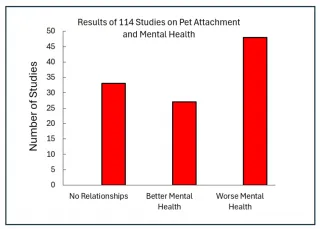
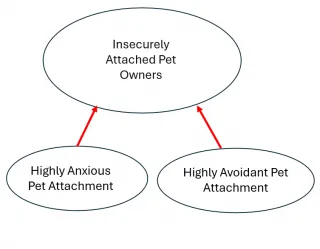
Additionally, if you’ve previously experienced separation anxiety or have an insecure attachment style in human relationships, this emotional pattern may extend to your bond with your pet. In many cases, unresolved feelings can manifest in different aspects of our lives, leading to a heightened sense of guilt in situations like leaving your pet alone.
A closely related pattern appears in why do I feel alone even when I’m surrounded by friends after my breakup, which adds more context to this behavior.
The Complex Meanings of Pet Attachment
It’s essential to recognize that the feelings of guilt may not solely indicate a healthy bond. In some cases, a stronger attachment can mean you’re relying on your pet for emotional support due to shortcomings in other human relationships. This reliance, while comforting, can lead to feelings of guilt when faced with the necessity of leaving your pet alone.
Also, pet owners often romanticize the bond, believing pets need their presence constantly. However, pets generally adapt well to temporary separations. Understanding that your pet may not experience the same emotional burden can relieve some of that guilt.
A closely related pattern appears in why do I feel abandoned when my partner takes time alone, which adds more context to this behavior.
What Not to Assume Too Quickly
While it’s easy to pin your guilt on abandonment fears, it’s crucial to avoid assuming that your pet’s happiness depends solely on your presence. Misreading the emotional dynamics can lead to unwarranted guilt and potential neglect of your needs as a person. Your emotional well-being directly affects how you interact with your pet, so it’s vital to balance your needs with theirs.
It’s also important to recognize that feelings of guilt do not necessarily equate to neglect. Pets are resilient creatures; they can handle being alone for periods. As long as they’re provided with adequate care, exercise, and playtime, they can cope with separation without lasting distress.
A closely related pattern appears in why do I feel guilty for wanting things I don’t like, which adds more context to this behavior.
Understanding Your Emotional Patterns Better
Dealing with guilt involves recognizing your emotional patterns and how they influence your relationships, including the one with your pet. Self-reflection can illuminate how your past experiences shape your current emotional responses. Ask yourself questions like: ‘Is this guilt stemming from my own insecurities?’ or ‘Am I projecting my feelings onto my pet?’
Consider other strategies to ease your guilt. Engaging in enriching activities for your pet when you leave, like puzzle toys or interactive games, can help build their comfort with your absence. It’s about understanding both your emotions and your pet’s needs—to foster a healthy bond that allows for independence.
A closely related pattern appears in why do I feel guilty about wanting to leave a stagnant relationship, which adds more context to this behavior.
Frequently asked questions
Why do I feel guilty when I leave my dog home alone?
Feeling guilt when leaving your dog home alone often stems from a strong emotional bond and the perception of abandonment. It may reflect your attachment style and past experiences with separation.
Is it normal to have separation anxiety from your pet?
Yes, it is quite common for pet owners to experience separation anxiety, both for themselves and their pets. Understanding the emotional dynamics can help manage these feelings.
Learn more:
About Us |
Editorial Policy |
Content Quality Standards |
Disclaimer