

You might be feeling a weight on your heart that seems impossible to shake. Despite your partner’s love and reassurance, trusting them just feels so hard, especially after past hurts. This feeling can leave you wondering, ‘Why can’t I let go and open myself up again?’ You’re not alone in this struggle, and understanding why it happens can be the first step toward healing.
Understanding Your Trust Issues
When trust is compromised, it can create a ripple effect, influencing how you connect with your partner. After experiencing emotional pain or betrayal, it’s natural to develop a shield—an instinct to protect yourself from further hurt. This protective mechanism can make it feel impossible to trust again.
Trust issues often manifest as feelings of anxiety, fear of vulnerability, or even paranoia that your partner will repeat the past mistakes. Recognizing that these feelings are not just a reflection of your current relationship but also echoes of past experiences is crucial to alleviating them.

A closely related pattern appears in how do past experiences affect my trust in new partners, which adds more context to this behavior.
Why It Might Be Happening
One possible reason why trusting again feels so hard is that past wounds have created emotional triggers. When certain actions or words from your partner remind you of past hurts, they can evoke a strong emotional response that feels out of proportion to the current situation.
Additionally, if your previous experiences shaped you to be cautious or skeptical, this instinct may resurface subconsciously, causing you to question your partner’s intentions even when there is no apparent threat.

A closely related pattern appears in how to build trust after dishonesty in relationships, which adds more context to this behavior.
The Nuances of Past Experiences
Every person’s journey with trust is unique. For some, a history of betrayal may lead to heightened sensitivity in relationships; for others, it may provoke a withdrawal or avoidance strategy. Understanding these individual differences is important because they affect how you interpret and respond to your partner’s actions.
For instance, if your partner raises their voice during a disagreement, it might trigger memories of past conflicts, causing you to distance yourself emotionally. This is a learned response, and recognizing it can help you deconstruct your reactions.
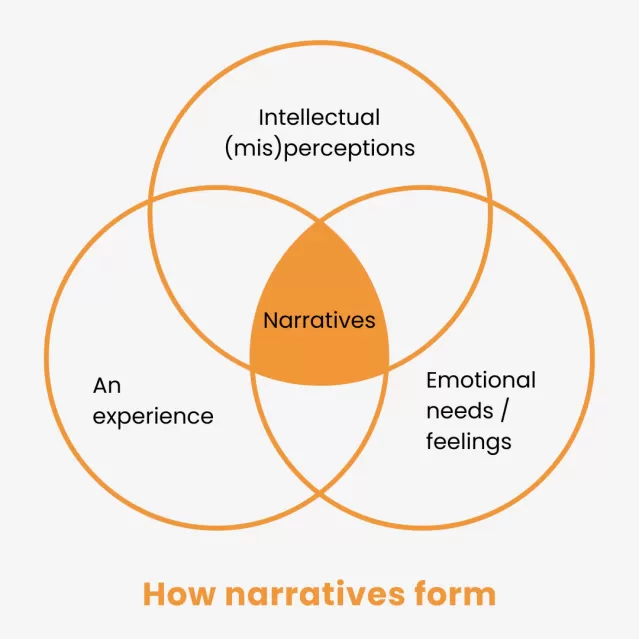
A closely related pattern appears in can someone forgive but still not trust me, which adds more context to this behavior.
Avoiding Quick Assumptions
It’s crucial not to jump to conclusions about your partner’s character based solely on your past experiences. This could lead to projecting fears onto them, which could damage the relationship further. For example, if you find yourself assuming your partner is lying or hiding something without evidence, you may be acting from a place of fear rather than reality.
Context matters immensely. It’s beneficial to distinguish between current actions and past patterns, allowing space for open conversation rather than immediate distrust.
A closely related pattern appears in why do I struggle to trust even with supportive partners, which adds more context to this behavior.
Steps Toward Rebuilding Trust
Rebuilding trust takes time, patience, and effort from both you and your partner. One potential next step is engaging in open dialogues about your feelings and fears. This not only helps your partner understand your perspective but can also reassure you of their intentions.
Additionally, reflecting on your own emotional triggers and understanding where they stem from can provide clarity. If needed, working with a therapist may offer you a safe space to process these feelings deeply and develop healthy coping strategies.
A closely related pattern appears in what to do if you notice red flags in someone you want to trust, which adds more context to this behavior.
Frequently asked questions
How can I rebuild trust after hurting my partner?
Rebuilding trust starts with honest communication about feelings and past hurts. Both partners need to commit to open discussions and regular check-ins to ensure space for healing and growth.
What is the 3 6 9 rule in relationships?
The 3 6 9 rule encourages couples to regularly engage in three meaningful conversations a week, six deeper discussions a month, and nine intimate meetings to help strengthen connection and intimacy.
What is the 7 7 7 rule for couples?
This rule suggests that couples should spend seven minutes each day actively listening to each other, seven days discussing emotions and daily experiences, and seven weeks on improving physical intimacy and connection.
Learn more:
About Us |
Editorial Policy |
Content Quality Standards |
Disclaimer