
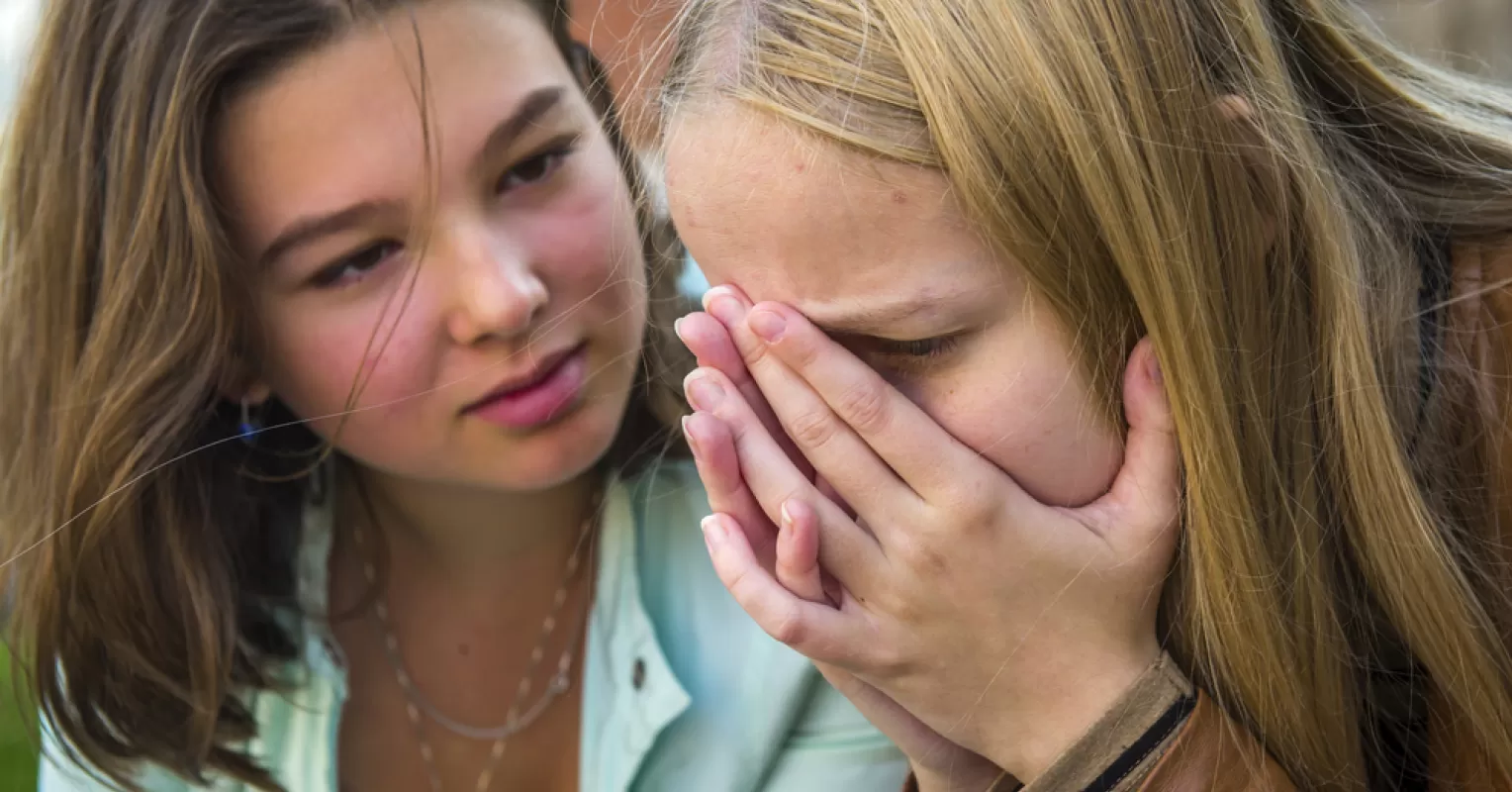
If you’ve noticed your teen pulling away from their friends after a breakup, you’re not alone. It’s a confusing and concerning shift that many parents see, often leaving them wondering: why is this happening? The truth is, breakups aren’t just about romantic loss; they can trigger complex emotional waves that affect how teens relate to their social circles.
Understanding the Distance
When a teen experiences a breakup, it can create a ripple effect that distances them from their friends. Breakups can lead to feelings of shame or embarrassment, prompting teens to withdraw from their social circles. In many cases, they might fear being judged or burdening their friends with their emotional state. This is especially true if they feel they weren’t treated well in the relationship.
Moreover, during adolescence, friendships serve a crucial role as both validation and support systems. If a teen suddenly finds themselves navigating the emotional landscape of a breakup, they may struggle to engage actively with their friends, leading them to retreat into isolation.

A closely related pattern appears in how to recognize when my friends are emotionally distant, which adds more context to this behavior.
Why Does This Happen?
Breakups can ignite a range of complicated emotions such as sadness, anger, and anxiety. These feelings might be difficult for teens to articulate, and in turn, they can lead to a retraction from friendships. It’s often easier to hide these emotions than confront them, particularly when teens feel unsupported or misunderstood by their peers.
Additionally, the dynamics of adolescent friendships may shift post-breakup. Teens might feel that their friends are more aligned with their ex, or they might worry that their friends will take sides, adding another layer of discomfort to an already challenging situation.

A closely related pattern appears in is it normal to feel pressure to find a partner when I have great friends, which adds more context to this behavior.
Different Meanings Depending on Context
The impact of a breakup varies significantly across different social contexts. For example, if your teen belongs to a tightly-knit group of friends, the emotional fallout might cause more noticeable shifts in group dynamics. Conversely, a more casual friend group could lead to a quicker normalization of behavior, thus reducing the pressure on your teen to engage when they’re feeling vulnerable.
It’s also worth noting the role of social media in shaping these dynamics. For many teens, seeing their exes moving on while they struggle can amplify feelings of inadequacy, leading them to withdraw even further from their friend circle.

A closely related pattern appears in how do I know if I’m ready to open up to new friends, which adds more context to this behavior.
What Not to Assume
It’s crucial not to jump to conclusions about your teen’s social withdrawal post-breakup. Parents may assume that their teen is merely being moody or disinterested in friendships, but this can overlook the deeper emotional turmoil they might be experiencing.
Rather than forcing interactions or demanding to know why they’re withdrawing, consider providing a supportive space where your teen feels comfortable sharing their thoughts. Encouraging open dialogues about their feelings—without pressure—can help them process their emotions more effectively.
A closely related pattern appears in why do my kids prefer screens over real-life friends, which adds more context to this behavior.
How to Navigate the Situation
Helping your teen reconnect with their friends after a breakup requires patience and understanding. One approach is to gently encourage them to engage in group activities that might help them feel more comfortable and supported, like going to a movie or participating in a sport. This can ease the transition back into their friend group.
Additionally, leading by example by sharing your own experiences of dealing with emotional hardships can provide valuable insights into healthy coping mechanisms. Ultimately, fostering open conversations, without judgment, will enable your teen to rebuild connections and heal.
A closely related pattern appears in what does it mean when someone seems distant but still cares, which adds more context to this behavior.
Frequently asked questions
How long does it take to get over a friendship breakup?
The duration for getting over a friendship breakup can vary widely among teens, often depending on individual emotional resilience and the depth of the connection. Generally, it can take weeks to months, during which they may experience a mix of emotions.
What is the 65% rule of breakups?
The 65% rule suggests that after a breakup, individuals will tend to maintain about 65% of their previous social interactions, with the remaining 35% being new relationships or emotions. This rule can manifest differently depending on social contexts and how teens process their experiences.
What is the 11 3 6 rule for friendships?
The 11 3 6 rule in friendships states that it takes 11 positive interactions to make up for just 1 negative experience. This highlights the importance of nurturing friendships with consistent positive engagements, especially after conflicts or breakups.
Learn more:
About Us |
Editorial Policy |
Content Quality Standards |
Disclaimer