
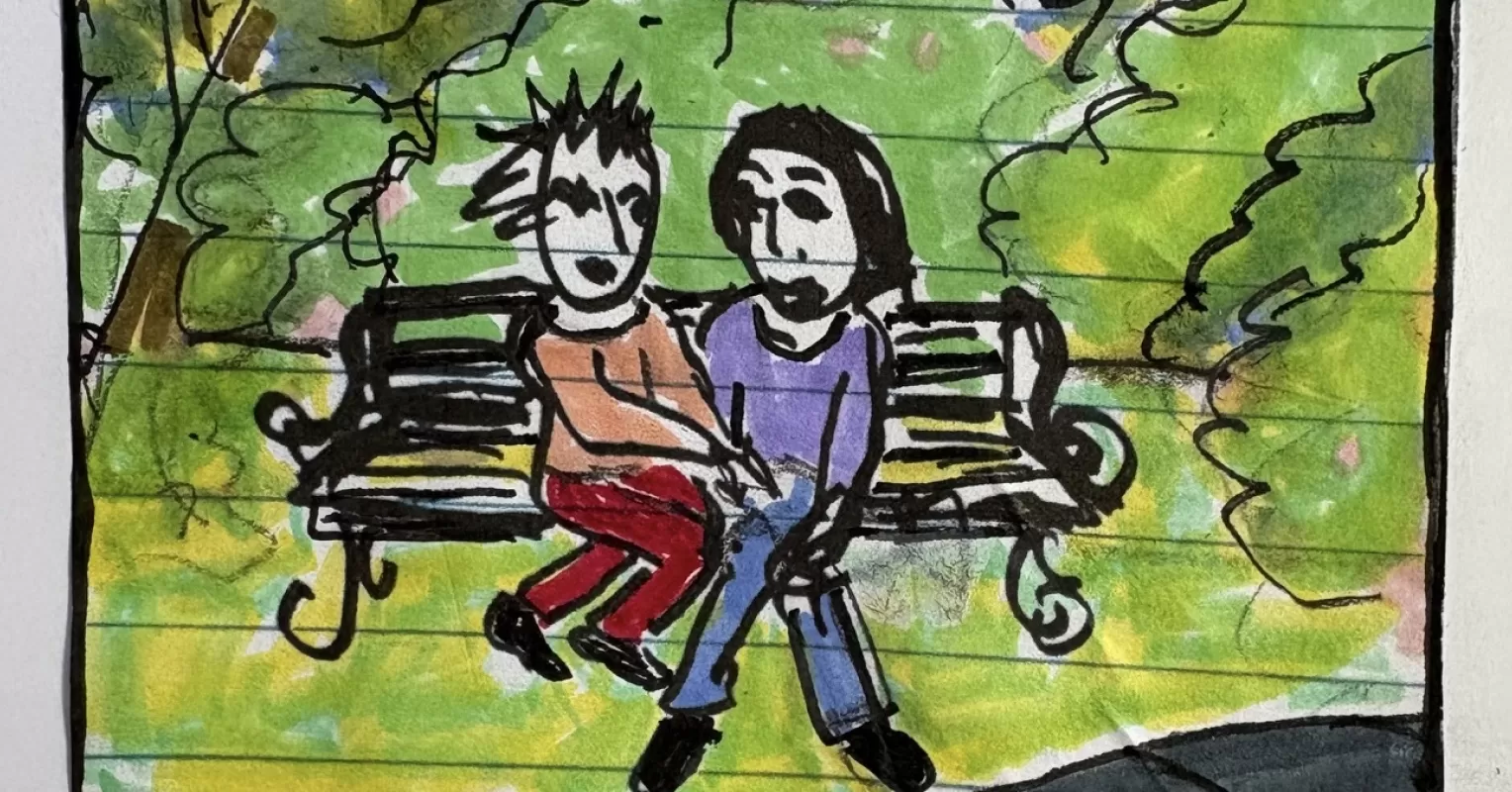
If you’ve been feeling a gap in your friendships, you might be wondering how to recognize when your friends are emotionally distant. This situation can leave you confused and vulnerable, especially if you’re not sure what’s changing or why it feels so heavy. Emotional distance can creep in subtly, making it hard to pinpoint, but recognizing the signs is crucial in preserving your relationships.
Understanding Emotional Distance in Friendships
Emotional distance in friendships can manifest in various ways. You may notice that your friends are less communicative, less enthusiastic about shared activities, or even seem distracted when you’re together. Their responses may feel perfunctory, as if they’re physically present but emotionally checked out. Understanding these signs is the first step in addressing the distance.
Often, emotional distance doesn’t mean that your friends no longer care about you; it can be a reflection of their own struggles. Factors like stress, personal issues, or life changes can create barriers, leading to withdrawal from the friendship.

A closely related pattern appears in what does it mean when my partner seems emotionally distant, which adds more context to this behavior.
Why Emotional Distance Happens
Several factors can contribute to your friends becoming emotionally distant. Life transitions, such as moving, changing jobs, or going through relationship struggles, can cause stress that makes it difficult for them to invest emotionally in friendships. Additionally, personal issues like anxiety or depression may also lead to feelings of isolation, causing them to pull away.
In many cases, friends may not even realize the impact of their emotional withdrawal. They might think that their struggles are personal and choose not to burden others with their feelings, resulting in unintentional distance.

A closely related pattern appears in what does it mean when I feel emotionally distant from my partner during sex, which adds more context to this behavior.
Different Interpretations of Their Behavior
When you notice signs of emotional distance, it’s important not to jump to conclusions. Their behavior may signify deeper personal challenges rather than a lack of interest in your friendship. Understanding that emotional availability can fluctuate depending on life circumstances can help you view their actions through a compassionate lens.
For example, a friend may seem distant because they are dealing with their own emotional turmoil, like job loss or family issues, rather than wanting to push you away. Context matters immensely here.

A closely related pattern appears in why does my partner seem emotionally distant after we have been close, which adds more context to this behavior.
What to Watch For and What Not to Assume
Recognizing the nuances in your friends’ behaviors can provide clearer insight. Look for changes in their communication—if texts go unanswered or plans are frequently canceled, these may be red flags. However, it’s important to avoid quick assumptions about their feelings; instead, consider discussing your observations openly with them.
Don’t assume your friends’ emotional distance is a permanent state or a reflection of your worth. A heartfelt conversation can often illuminate what’s going on beneath the surface.
A closely related pattern appears in what does it mean if someone prefers talking to chatbots over friends, which adds more context to this behavior.
Next Steps: Reconnecting with Emotionally Distant Friends
If you decide to address the emotional distance, approach it with empathy and understanding. Suggest spending quality time together, talking about your feelings, or simply checking in to show that you care. The goal is to reopen lines of communication without putting your friends on the defensive.
Remember, rebuilding emotional intimacy takes time. Be patient, allow for gradual steps, and reassure your friends of your presence and support as they navigate their struggles. Connecting on a deeper level may help both of you feel more grounded and supported.
A closely related pattern appears in why am I hesitant to reach out to friends during tough times, which adds more context to this behavior.
Frequently asked questions
What is the 11 3 6 rule for friendships?
The 11 3 6 rule suggests that for a healthy friendship, both parties should strive to communicate or connect at least 11 times a month, have meaningful conversations three times a month, and spend time together at least six times a year. This framework can help maintain emotional closeness.
How to tell if someone is being emotionally distant?
Signs of emotional distance can include frequent changes in communication patterns, lack of enthusiasm in shared activities, and a noticeable decline in the frequency of meetups. They may seem distracted or unengaged when you do spend time together.
Learn more:
About Us |
Editorial Policy |
Content Quality Standards |
Disclaimer