
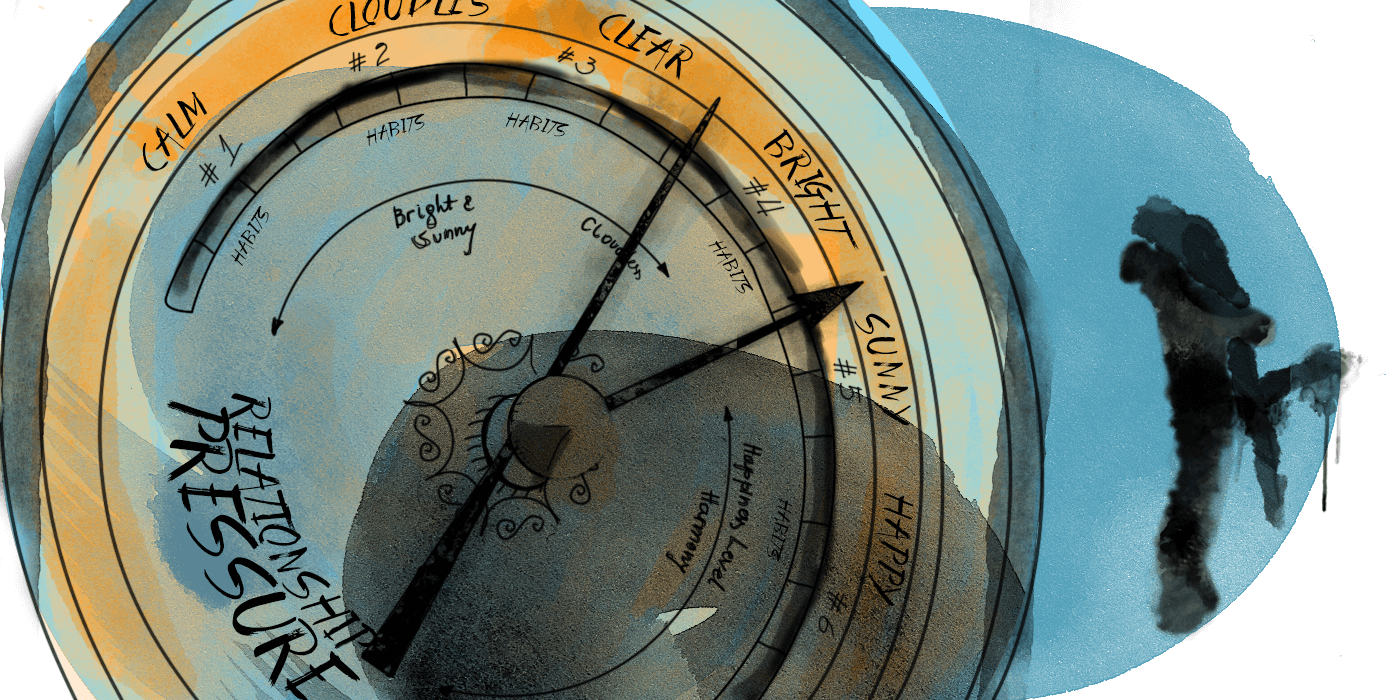
You might find yourself in a relationship where everything seems to be clicking—laughter fills the air, plans are made, and moments of intimacy abound. Yet, just when you think you’re in a sweet spot, your partner starts pulling away. It’s confusing, isn’t it? This sudden shift can feel like stepping on a rollercoaster that you didn’t even know was coming. It brings a whirlwind of emotions: uncertainty, doubt, and maybe even frustration. What’s behind this puzzling behavior?
The Relationship Signal: A Closer Look
At first glance, it may feel like your partner is sabotaging what seems like a ‘perfect time.’ This pulling away often acts as a signal—an emotional instinct where one partner, possibly overwhelmed by happiness, inadvertently retreats. It’s not about you or the relationship being flawed; instead, it can tap into deeper emotional patterns that hold sway in romantic dynamics.

A closely related pattern appears in why do I worry my partner feels more distant after meditating, which adds more context to this behavior.
Potential Reasons Behind Their Withdrawal
One common factor that might drive a partner to retreat is fear. This anxiety can stem from the exhilarating nature of a relationship that’s going well. Suddenly, the stakes feel higher; the prospect of disappointment looms larger. In many cases, individuals have experienced heartbreak before, and the memory of pain can cause them to instinctively shield themselves when happiness arrives. The fight or flight response can often lead to the flight response showing up just when connection intensifies.
Another reason might be a struggle with intimacy. While emotional closeness offers joy, it can also trigger feelings of vulnerability. For some, being deeply connected can lead to a fear of losing autonomy, prompting them to step back even when everything seems well.
Contextual Factors That Play a Role
It’s essential to consider the larger context of the relationship. Did your partner just face a significant life change? Changes in job status, family issues, or personal losses can create an emotional backdrop that influences their behavior, even if their outward demeanor suggests otherwise. They may be grappling with these changes internally, causing them to retreat emotionally from the relationship as they navigate their feelings.
Cultural and social backgrounds may also play vital roles. Some individuals are conditioned to prioritize self-sufficiency over intimacy, affecting how they respond when things get too close for comfort.

Understanding What Not to Assume
When your partner pulls away, it’s tempting to jump to conclusions about their feelings towards you. However, it’s crucial not to label their actions as rejection or a sign of dissatisfaction with the relationship. In many cases, these signals might stem from personal insecurities or internal conflicts rather than a reflection of their love or commitment.
Instead of viewing this behavior through a lens of fear and doubt, consider approaching the situation with empathy. It may be beneficial to open a dialogue—expressing your feelings while allowing them space to share their own without judgment.
How to Navigate This Shift
If you find yourself facing this situation, communication is key. Frame an open conversation around the changes you’ve noticed. Communicate your love and support, while ensuring they have the freedom to express their thoughts without feeling pressured.
Practicing patience is equally important. Give your partner the time and space they need to process their emotions. Sometimes, stepping back can lead to a deeper connection when they’re ready to return.
Frequently asked questions
Is it normal for partners to pull away at times?
Yes, many couples experience fluctuations in intimacy and connection. It’s often a natural part of navigating a relationship, influenced by personal fears, emotional states, and external circumstances.
How can I encourage my partner to open up?
Create a safe space for dialogue by expressing your feelings calmly and without pressure. Encourage openness by showing empathy and understanding.