

If you’ve ever felt your partner lash out at you despite your best intentions to help, you’re not alone. This frustrating and confusing experience can leave you feeling hurt and bewildered, wondering why your kindness is met with anger instead of appreciation. Understanding this dynamic may not only clarify your own feelings but can also pave the way for better communication and connection.
What This Behavior Often Means
When a partner lashes out during moments when you’re trying to help, it could be a sign of deeper issues at play. Often, this reaction is less about you and more about their emotional state. They might be feeling overwhelmed, insecure, or even threatened by the situation at hand. Their anger can serve as a defense mechanism, masking vulnerability or fear they struggle to express.
In many cases, what looks like an attack is an indication that they’re experiencing emotional pain or stress. This disconnect can lead to miscommunication, where your attempts to communicate support become perceived as criticism or control.

A closely related pattern appears in why does my partner seem emotionally distant even though I’m supportive, which adds more context to this behavior.
Why Does This Happen?
Several factors might contribute to this behavior. One possibility is that your partner may have their own unresolved issues or emotional baggage that colors their reactions. Past traumas or attachment issues can lead to hypersensitivity in present situations, causing them to lash out even when the intentions are positive.
Stress and external pressures, such as work or family issues, can also exacerbate emotional dysregulation. The space between their inner turmoil and outward expressions can create a sharp edge that you may inadvertently trigger.
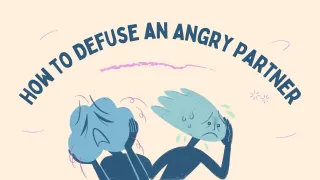
A closely related pattern appears in why do I feel overwhelmed when my partner needs help, which adds more context to this behavior.
The Role of Context in Understanding Their Anger
Understanding the context is crucial when trying to decipher why your partner reacts with anger in moments meant for support. For instance, if they’re stressed or feeling unsupported in life, they may misinterpret your attempts to help as interference. This misinterpretation can stem from a lack of self-awareness or understanding of their emotional landscape.
It’s vital to recognize that their angry outbursts may not always be about you but rather how they perceive their environment. External stressors can trigger internal conflicts, making even small gestures seem overwhelming.

A closely related pattern appears in why am I scared to end a relationship even though I’m unhappy, which adds more context to this behavior.
What Not to Assume Too Quickly
Avoid jumping to conclusions that their angry reactions are a reflection of your shortcomings. Anger is often a reaction to feelings of helplessness or fear, not a personal indictment of your worth or capabilities. Misunderstandings can arise if you equate their outbursts with your intent to help.
Additionally, don’t assume that their anger is justified or that it’s a permanent part of their personality. Emotions are fluid, and recognizing that their reactions may stem from circumstances outside your control can provide a vital perspective.
A closely related pattern appears in why do I fear being rejected even when dating someone new, which adds more context to this behavior.
How to Navigate This Pattern More Effectively
Improving communication in these tense situations requires patience and emotional intelligence. Approaching your partner with compassion and an open heart can create an opportunity for clarity. Try validating their feelings without taking their anger personally or feeling defensive yourself.
Setting healthy boundaries while also expressing support can also help. For example, you might say, ‘I can see this is overwhelming for both of us. Let’s take a moment to breathe before we continue this conversation.’ This approach not only helps de-escalate tension but also shows your commitment to resolving the issue together.
A closely related pattern appears in why do I feel lonely even when I work from home with family, which adds more context to this behavior.
Frequently asked questions
What can I do to help my partner when they lash out?
Try to maintain a calm demeanor and validate their feelings. Give them space if they need it, and approach the situation when both of you are ready to talk calmly and constructively.
Is anger always a sign of personal issues?
Not necessarily, but often anger can be symptomatic of deeper emotional struggles, stress, or past traumas. Understanding the context and emotional background can help clarify their reactions.
Can this pattern be changed?
Yes, with open communication, patience, and possibly professional help, many couples can work through these issues together. Acknowledging the pattern is the first step towards change.
Learn more:
About Us |
Editorial Policy |
Content Quality Standards |
Disclaimer