
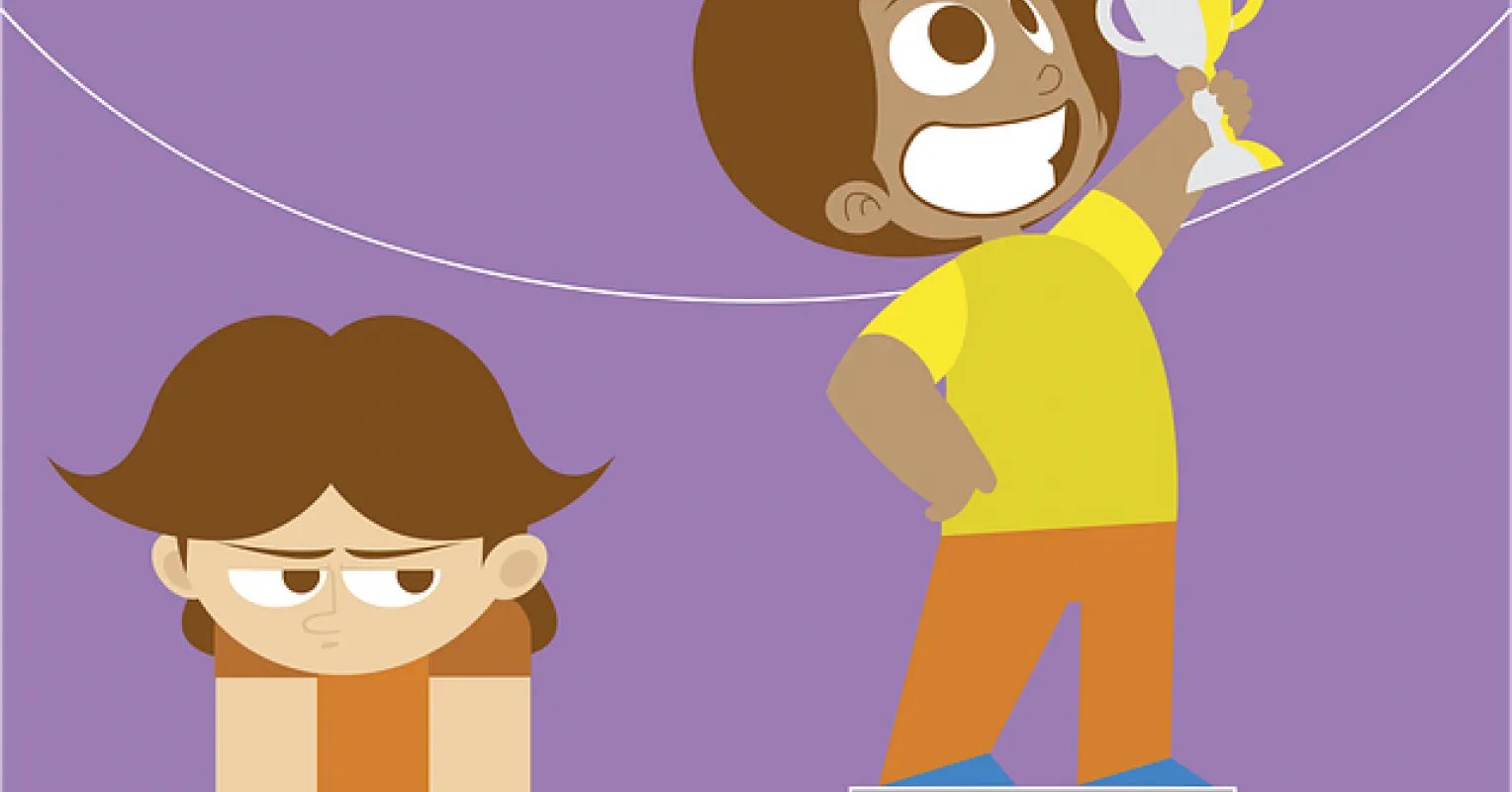
You’ve probably felt that twinge of discomfort when scrolling through social media, seeing friends’ perfect lives and accomplishments. This creeping thought can lead you to wonder: why do we compare ourselves to others? It’s a sentiment many grapple with, fueling jealousy and insecurity. Understanding this behavior reveals deeper emotional patterns and relational dynamics that may be affecting your life.
The Motivation Behind Comparison
At its core, comparing ourselves to others often springs from a place of insecurity or the desire for validation. This behavior can feel almost instinctive; our brains are wired for social evaluation. When we see someone shining in an area where we feel lacking, the natural reaction may be to assess our own worth. This emotional reflex sparks jealousy and competition.
In many cases, this urge to measure up isn’t purely self-serving. It may reflect a yearning for connection or membership within our social circles. Perhaps you believe that acknowledging others’ successes diminishes your own, prompting a defense mechanism where you subconsciously downplay their achievements.

A closely related pattern appears in why do I compare myself to others in my relationship, which adds more context to this behavior.
Different Meanings of Comparison
It’s essential to unpack what comparing ourselves to others means in various contexts. For some, it can be a motivational tool, driving them to achieve greatness. Seeing a peer excel might light a fire of determination within you. Yet, when this comparison turns into envy, it can distort relationships, leading to feelings of resentment not just towards others but towards oneself.
Moreover, context matters. Comparing yourself to others in a supportive environment can foster growth, whereas a competitive or toxic setting can breed anxiety and self-doubt. The distinction between healthy inspiration and destructive envy is subtle but significant.

A closely related pattern appears in why do I compare my relationship to others online, which adds more context to this behavior.
What Not to Assume About Comparison
Assuming that your comparisons are merely self-driven can overlook the social dynamics at play. Often, these feelings are amplified by societal standards and narratives that dictate success or beauty. Rather than viewing your emotional response as a weakness, recognizing external pressures may provide insight into your reactions.
It’s also crucial to avoid labeling others’ achievements as a direct reflection of your failures. Each person’s journey is laden with unique challenges and motivations that don’t always come to light. By adopting a mindset of empathy rather than judgment, you can transform your perspective on comparisons.

A closely related pattern appears in why do I compare myself to others on dating apps, which adds more context to this behavior.
Understanding Jealousy and Its Effects on Relationships
Jealousy is a powerful emotion that can seep into relational dynamics, often manifesting in ways that are confusing or unsettling. When you find yourself comparing and feeling envious, it might create a rift in your relationships. You might unintentionally push people away or harbor resentment towards those you care about, causing stress and discord that can be hard to navigate.
To counter this, fostering an attitude of sympathetic joy—where you celebrate others’ successes as if they were your own—can mitigate feelings of jealousy. This ancient practice can significantly improve not just your emotional state but can enhance your connections with others, creating an atmosphere of support rather than competition.
A closely related pattern appears in why do I compare my success to others after a breakup, which adds more context to this behavior.
Next Steps for Personal Growth
Now that you understand why comparing yourself to others can happen so easily, it’s crucial to cultivate awareness around this behavior. Consider journaling your thoughts when you feel the need to compare; explore the triggers, and reflect on your feelings without judgment. This can provide clarity and help you recognize patterns over time.
Moreover, practicing gratitude can shift your focus from what others have to what you appreciate in your own life. By nurturing your strengths and giving less weight to comparisons, you might find a more fulfilling path to personal and relational growth.
A closely related pattern appears in why do I compare my life to others online, which adds more context to this behavior.
Frequently asked questions
Why do I feel jealous when I see others succeed?
Feeling jealous often stems from insecurity or a fear of inadequacy. It’s a natural reaction, influenced by social pressures and personal experiences, but recognizing it can be the first step toward addressing these feelings.
How can I stop comparing myself to others?
Shifting your focus from comparison to gratitude can help. Reflect on your achievements and the unique qualities that set you apart. Additionally, surrounding yourself with supportive friends can foster a more positive environment.
Learn more:
About Us |
Editorial Policy |
Content Quality Standards |
Disclaimer