
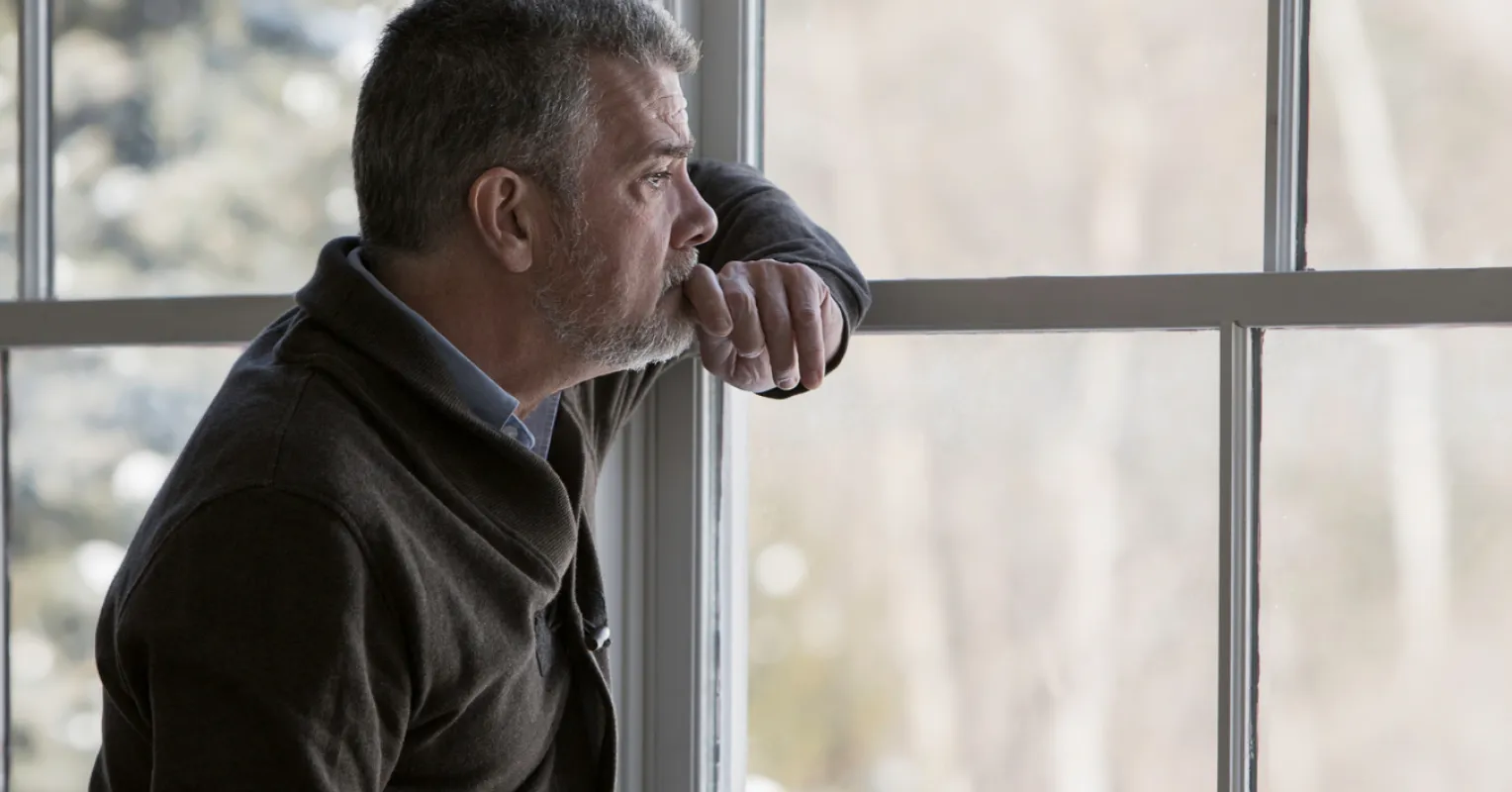
If you’ve ever watched someone you care about grieve and noticed them withdrawing instead of reaching out, you might be left wondering why this happens. It’s a confusing experience, often leaving friends and family feeling helpless and unsure of how to help. Understanding this behavior can clarify why some people choose solitude during their most painful moments.
Understanding Withdrawal in Grief
Grieving is profoundly personal, and the reactions people have to loss can vary dramatically. Withdrawal from social interactions can be a common response for those dealing with grief. It’s essential to recognize that this behavior is often not a reflection of how they feel about their loved ones but rather a coping mechanism. Individuals may feel overwhelmed, disoriented, or even embarrassed by their emotions, prompting them to retreat.
While it might feel isolating to watch someone withdraw, it can be a necessary process for them as they navigate their feelings. This doesn’t mean they don’t appreciate your support; rather, they might simply need time to process their loss on their own.

A closely related pattern appears in why do some couples experience emotional distance after being close, which adds more context to this behavior.
Why Do People Withdraw When Grieving?
The reasons behind this withdrawal can be varied and complex. One significant factor is the overwhelming nature of grief itself. Many people experience intense emotions, ranging from sadness and anger to guilt and confusion. Simplifying these feelings into manageable interactions can be difficult, thus leading them to withdraw from social situations that feel like an additional burden.
Others may withdraw due to a desire to avoid putting their emotions on display. Grief can feel vulnerable, and some may find it easier to cope with their pain in solitude rather than risk burdening others with their struggles.

A closely related pattern appears in what does it mean if my partner is emotionally distant, which adds more context to this behavior.
Possible Meanings of Withdrawal
It’s crucial not to jump to conclusions about someone’s emotional landscape based solely on their withdrawal. In many contexts, a person who is dealing with grief might also be protecting themselves from feeling judged or misunderstood. They might believe that others won’t comprehend the depth of their loss or the turmoil they experience.
For some, withdrawal can signal a need for introspection. They may be engaging in self-reflection, trying to find a deeper understanding of their loss, and what it means for their future. This can be a pivotal step in their healing process.

A closely related pattern appears in why do I feel distant from my partner after a stressful workday, which adds more context to this behavior.
What Not to Assume About Their Behavior
One common misconception is that withdrawal equates to a lack of care for others. This could not be further from the truth. It’s critical to remember that grieving individuals may deeply long for connection yet feel utterly unable to engage. It’s a state that’s often accompanied by feelings of shame and regret, especially towards those they may be unintentionally shutting out.
Assuming that they simply don’t want your support can be harmful and may prevent you from reaching out in a way they would appreciate when they’re ready.
A closely related pattern appears in why does my partner become distant when we talk about sex, which adds more context to this behavior.
How to Provide Support Amidst Withdrawal
If you find yourself in a position where someone close to you is withdrawing during a time of grief, the best approach is often to offer gentle, non-intrusive support. Text a simple message expressing that you’re thinking of them, and remind them there’s no need to respond. Your presence doesn’t have to be in person; even a heartfelt letter can make a difference.
Consider also providing space — sometimes, just letting them know you’re there when they are ready can remove the pressure they feel. Gradually, as they process their grief, there may come a time when they feel ready to reach out again.
A closely related pattern appears in what does it mean when my partner suddenly becomes distant after an affair, which adds more context to this behavior.
Frequently asked questions
Is it normal to withdraw when grieving?
Yes, withdrawing is a common response to grief. Many individuals need solitude to process intense emotions and experiences related to their loss.
What not to do when someone is grieving?
Avoid pushing them to talk or engage if they’re not ready. Also, refrain from making assumptions about their feelings or needs. Simply being there can be enough.
Why do some people shut others out when grieving?
Some individuals shut others out to protect themselves from feeling overwhelmed. They may fear judgment or feel unworthy of support during their vulnerable moments.
Learn more:
About Us |
Editorial Policy |
Content Quality Standards |
Disclaimer