
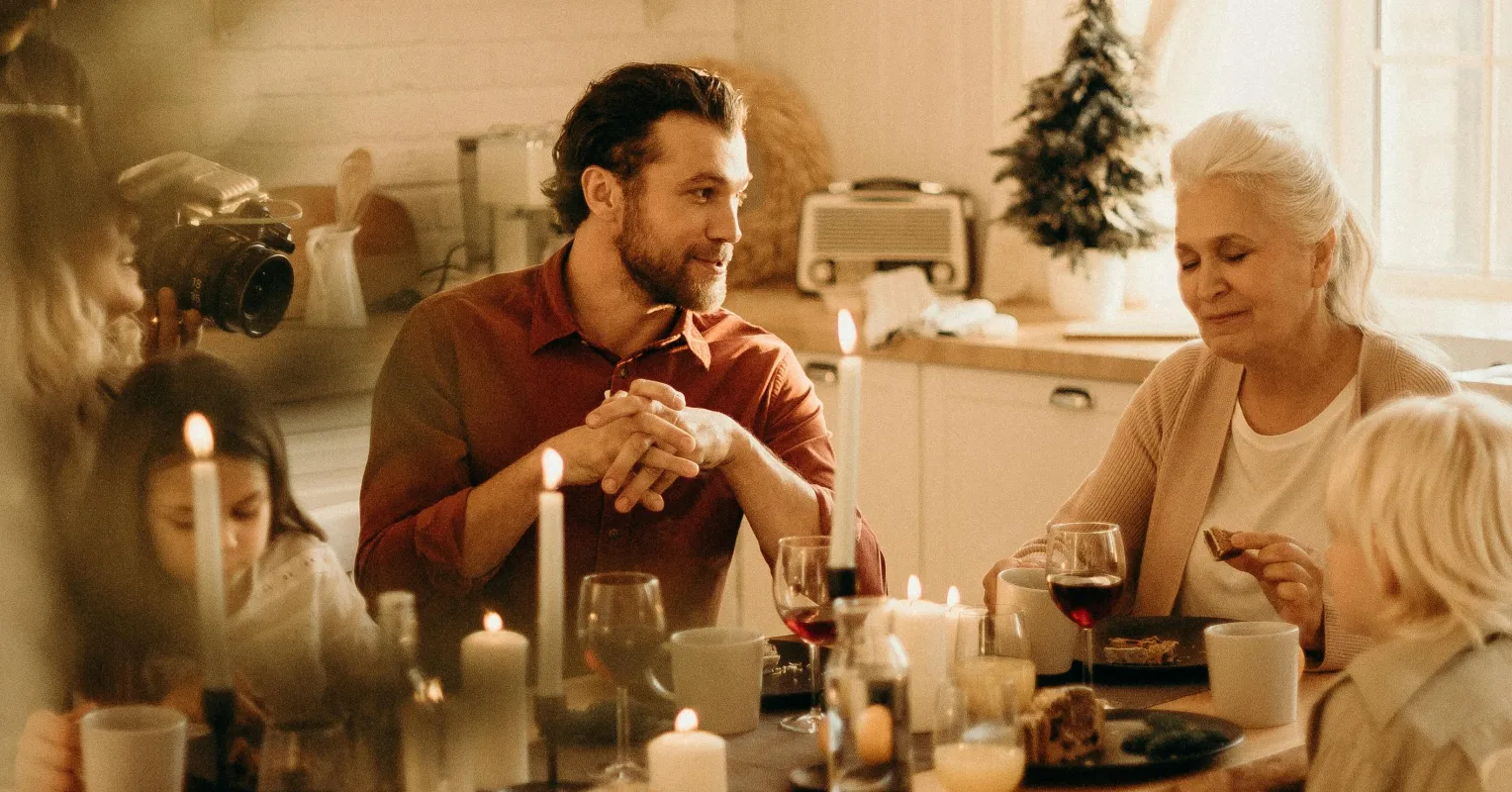
The holiday season can feel overwhelmingly lonely, especially for those who have recently divorced. You may be wondering, “Why do I feel so isolated now?” This intense feeling often stems from the emotional turbulence that follows a significant relationship loss, and it can amplify when surrounded by holiday cheer that contrasts sharply with personal grief.
Understanding the Isolation
Feeling isolated during the holidays after a divorce is not just about being physically alone. It’s also about the emotional weight carried from the disruption of family traditions and connections. Many who experience divorce report a sudden sense of loss and lack of belonging, particularly during festive gatherings that highlight these separations.
This period can exacerbate feelings of sadness, as relationships once integral to one’s identity are now altered or removed. It’s a painful reminder of what once was, and those feelings can easily be mistaken for personal inadequacies or failures.

A closely related pattern appears in why do I feel anxious when my partner is distant during conflicts, which adds more context to this behavior.
Why This Happens
Several factors can contribute to the feeling of isolation after a divorce. First, the holidays often amplify loneliness due to increased social gatherings that spotlight family units. You may find yourself reflecting on how different your life used to be, leading to a comparison with current feelings of sadness or detachment.
Additionally, emotional patterns inherently linked to divorce—such as grief, anger, or guilt—can cloud the ability to seek out connection. This emotional turbulence hinders the motivation to engage in social activities, trapping individuals in a cycle of solitude and worsening their feelings of alienation.

A closely related pattern appears in why do I feel anxious during arguments with my partner, which adds more context to this behavior.
Different Meanings in Various Contexts
It’s crucial to acknowledge that not everyone experiences loneliness the same way. For some, the holidays might evoke resentment towards a partner or former family dynamics, while others might feel a deep emptiness from the absence of shared rituals. In some cases, there can be a sense of relief; the awareness that solitude provides a space for healing and personal growth.
The key lies in understanding that these feelings can coexist. Isolation might bring about negative emotions, but it can also be a temporary space for reflection and self-discovery, depending on how one chooses to navigate these complex feelings.

A closely related pattern appears in why do I feel guilty about wanting a divorce, which adds more context to this behavior.
What Not to Assume
One common misconception is that feeling isolated during the holidays means one is weak or unable to cope with change. However, emotional responses to divorce are deeply human and rooted in the brain’s natural reaction to loss. It’s vital not to dismiss these emotions as mere sadness; they are a normal part of the healing process.
Moreover, avoid the trap of believing that loneliness is indicative of personal failure—it’s often a signal that indicates a need for connection or support. This understanding can empower individuals to seek help and engage more actively with their community.
A closely related pattern appears in why do I feel disconnected from my child during conversations, which adds more context to this behavior.
Navigating the Path Forward
To combat feelings of isolation, consider reaching out to friends or family, even if it feels daunting. Establishing new holiday traditions or volunteering can help create a sense of belonging. Engaging with others not only counters loneliness but can also aid in personal growth during this challenging period.
Professional support, such as counseling or support groups, can offer additional strategies for managing feelings of sadness and isolation. Remember, taking small steps for connection can pave the way to a more fulfilling holiday experience, regardless of past ties.
A closely related pattern appears in why do I feel overwhelmed during arguments with my partner, which adds more context to this behavior.
Frequently asked questions
How long does loneliness last after divorce?
The duration of loneliness after divorce varies. Some may feel isolated for weeks or months, while others might take longer. It’s essential to allow yourself time to grieve and process the change.
What are the four behaviors that cause 90% of all divorces?
Key behaviors include criticism, contempt, defensiveness, and stonewalling. Recognizing these can help in understanding relationship dynamics and personal patterns.
How do people live alone after divorce?
Living alone after divorce often involves adjusting to a new routine and coping with both practical and emotional challenges. Support from friends and professionals can be vital during this transition.
Learn more:
About Us |
Editorial Policy |
Content Quality Standards |
Disclaimer