

Have you ever felt completely lost in a conversation, wondering why you missed the subtle hints others seemed to catch effortlessly? If you’re asking, “why do I struggle with social cues,” you’re not alone. Many people grapple with understanding social signals, leaving them feeling isolated or misunderstood. This struggle can be frustrating, especially when it seems like everyone else is navigating social interactions with ease.
What Are Social Cues and Why Do They Matter?
Social cues are the subtle signals we exchange in our interactions—facial expressions, tone of voice, body language, and even silence. They play a crucial role in communication, often conveying emotions and intentions that words alone cannot express. When you struggle to interpret these cues, it can lead to misunderstandings, awkward moments, and a sense of disconnect in social situations.
For example, a simple smile can indicate friendliness, while crossed arms might suggest defensiveness. Missing these signals can make conversations feel one-sided or confusing, leaving you to question your social skills.
A closely related pattern appears in Why Do I Struggle with Self-Love? Understanding Your Inner Critic, which adds more context to this behavior.
Possible Reasons for Struggling with Social Cues
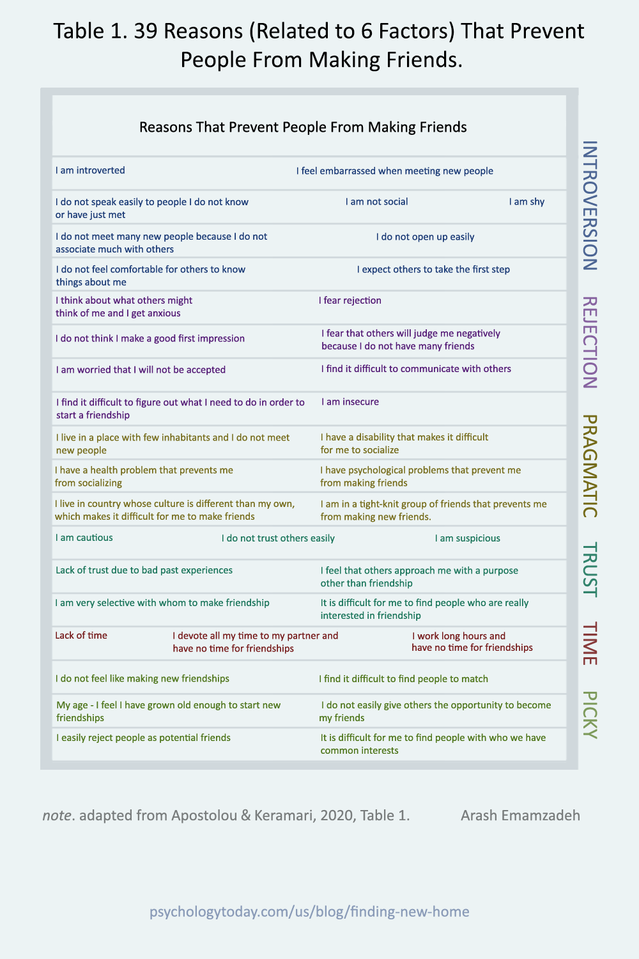
Several factors can contribute to difficulties in picking up social cues. One common reason is a lack of experience in social settings. If you grew up in an environment where social interactions were limited, you might not have had the opportunity to learn these subtle signals.
Additionally, conditions like social anxiety or introversion can heighten your awareness of social dynamics, making you overly cautious or self-conscious. This heightened awareness might lead to overthinking interactions, causing you to miss the very cues you’re trying to decipher.

A closely related pattern appears in how to make people like you instantly, which adds more context to this behavior.
Different Contexts, Different Challenges
The context of social interactions can greatly influence how cues are perceived. For instance, a casual gathering among friends may feel different from a formal networking event. In relaxed settings, cues might be more forgiving, while in professional environments, the stakes can feel higher, leading to increased anxiety and potential misinterpretations.
Furthermore, cultural differences can also play a significant role. What is considered a friendly gesture in one culture might be seen as intrusive in another. Understanding the context can help you navigate these complexities more effectively.
What Not to Assume About Yourself
It’s easy to label yourself as socially inept or assume that you are simply not good at reading people. However, this mindset can be counterproductive. Many factors contribute to these struggles, and labeling yourself can create a self-fulfilling prophecy.
Instead of focusing on perceived shortcomings, consider viewing these challenges as areas for growth. Everyone has strengths and weaknesses in social situations, and recognizing that you are not alone in your struggles can be liberating.
Next Steps: Improving Your Social Cue Recognition
Improving your ability to read social cues takes practice and patience. Start by observing interactions around you—watch how people react to each other in various situations. You can also engage in role-playing exercises with trusted friends to practice interpreting cues in a safe environment.
Additionally, consider seeking resources such as workshops or books focused on social skills. These tools can provide you with strategies and insights to enhance your understanding of social dynamics, ultimately making interactions feel more manageable.
Frequently asked questions
Can social cues be learned?
Yes, social cues can definitely be learned over time. By observing others and practicing in social settings, you can improve your ability to recognize and respond to these signals.
Is it normal to struggle with social cues?
Absolutely. Many people find social cues challenging, and it’s a common experience. Understanding that you’re not alone can help alleviate some pressure.
Learn more:
About Us |
Editorial Policy |
Content Quality Standards |
Disclaimer