
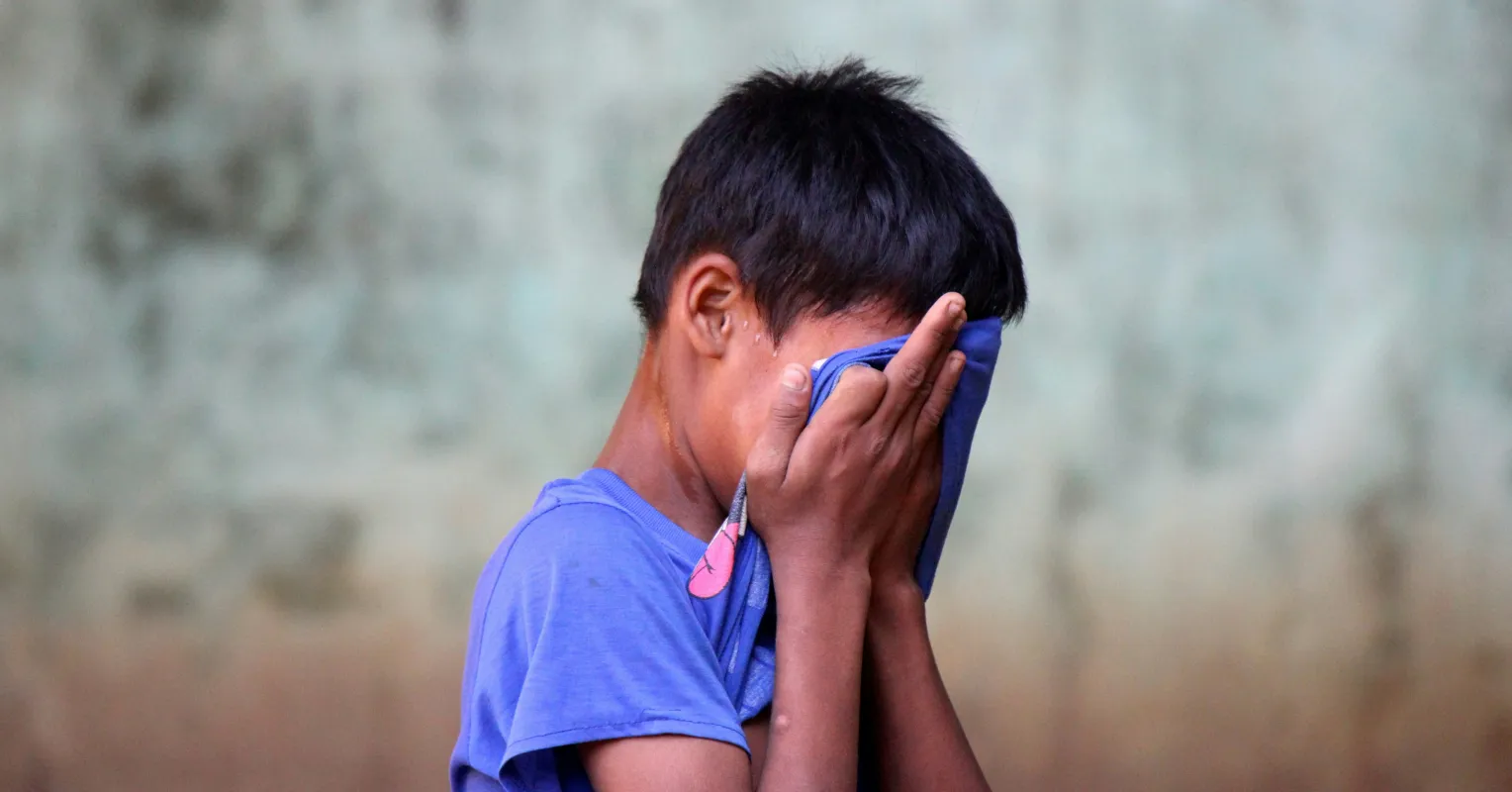
Have you ever felt that unsettling twinge of anxiety when someone you’ve been getting close to suddenly starts to pull away? It’s a confusing mix of emotions—a sense of loss, uncertainty, and fear of abandonment. You’re not alone in feeling this way; many do, especially when emotions deepen. This article dives into the intricacies of why this happens and what it might mean for you.
The Emotional Impact of Withdrawal
Feeling anxious when someone steps back from a budding relationship often stems from the deep-seated fear of being abandoned. This behavior can trigger feelings you’ve perhaps buried, reminding you of previous hurt or loss. The brain is wired to seek connection, and when someone suddenly withdraws, it naturally raises alarms, sending you into a spiral of self-doubt and worry.
This emotional response can vary in intensity depending on past experiences. For some, it may feel all-encompassing, resembling the pain of previous breakups. For others, it might manifest as a nagging worry, a voice in your head telling you that something is fundamentally wrong. Understanding this can help contextualize your feelings.

A closely related pattern appears in why do I feel anxious when communicating with my partner, which adds more context to this behavior.
Why Withdrawal Prompts Anxiety
When someone pulls away, it may trigger what are known as attachment responses. If you have an anxious attachment style, you might find yourself overthinking every interaction, scrutinizing texts for hidden meanings, or replaying conversations endlessly. This can lead to increased anxiety as you try to diagnose what went wrong.
Moreover, our emotional patterns from childhood heavily influence how we respond in adult relationships. If past relationships ended abruptly or were riddled with conflict, you might find that your reactions are more intense than those of someone with a more secure attachment style.
A closely related pattern appears in why do I feel anxious every time my partner mentions the future, which adds more context to this behavior.
Different Meanings of Distant Behavior
The reasons behind someone’s withdrawal can be complex and varied. It could range from personal issues they are grappling with, such as stress from work or family matters, to a genuine need for space to process their feelings. It’s essential not to jump to conclusions about their intentions. Sometimes, pulling away doesn’t mean they don’t care—it may simply be a protective mechanism.
Misreading their behavior can lead to unnecessary panic. Instead of assuming they want to end things, consider that they might be overwhelmed and need time to gather their thoughts.

A closely related pattern appears in why do I feel anxious when starting a conversation with someone I’m attracted to, which adds more context to this behavior.
What Not to Assume Too Quickly
It’s tempting to think this is a reflection of your worth or desirability when someone pulls away. However, it’s crucial to remember that their actions are often more about their internal struggles than your value as a person. Assumptions can cloud your judgment, leading to misguided blame or guilt.
Rather than spiraling into self-blame, consider reaching out calmly to express your feelings. Open communication may not only provide clarity but also help strengthen the connection rather than create further distance.
A closely related pattern appears in why do I feel anxious every time my partner goes out with friends, which adds more context to this behavior.
How to Navigate Your Feelings Moving Forward
Understanding these anxiety triggers can arm you with new strategies for communication and self-reflection. Journaling your feelings or discussing them with a trusted friend can provide new perspectives. Moreover, understanding your own attachment style can empower you to approach relationships more mindfully.
If the anxiety persists, consider reaching out to a therapist or counselor who can help you unpack these feelings in a supportive environment. Personal growth often stems from uncomfortable emotions, and navigating these complexities can ultimately lead to more fulfilling relationships.
A closely related pattern appears in why do I feel a need to control everything when I’m anxious, which adds more context to this behavior.
Frequently asked questions
Why do I get anxious when someone pulls away?
Feeling anxious when someone withdraws often relates to deep-seated fears of abandonment and can trigger attachment responses, particularly if past relationships have experienced similar patterns.
What should I do if my partner pulls away?
Open communication is key. Instead of assuming the worst, calmly express your feelings to understand their perspective. Sometimes, a partner needs space for personal reasons.