

If you’ve ever found yourself hesitating to get close to someone new, wondering why you fear rejection in new relationships after your last breakup, you’re not alone. That unsettling feeling can often linger, making it tough to open your heart again. This fear may stem from the emotional wounds of your previous relationship, but understanding that fear can be the first step toward healing.
Understanding the Fear of Rejection
Fear of rejection in new relationships can feel overwhelming. It’s not just about the potential for heartbreak; it taps into deeper emotional influences from past experiences. Often, this fear is a protective mechanism, a way to shield oneself from the pain of a previous breakup. Recognizing this can bring some clarity: you’re not just afraid of someone new; you’re afraid of reliving past pain.
This fear can manifest as anxiety or avoidance, causing you to pull away from opportunities for connection. It’s essential to understand that this often reflects a conditioned response to past experiences rather than being an inherent aspect of your personality.

A closely related pattern appears in why do I fear being rejected even when dating someone new, which adds more context to this behavior.
Why This Fear Develops
Several factors can contribute to the development of fear after a breakup. One key aspect is attachment styles, which shape our responses to intimacy and closeness. People with anxious attachment may feel heightened fear of rejection as a recurring pattern after past relationships go awry. Likewise, the fear of vulnerability can intensify reminders of past hurts, creating a barrier against forming new connections.
Moreover, emotional trauma—even if it’s not as overt as abuse—can lead to a heightened sensitivity to perceived threats, meaning your body might react to minor signals as if they were major dangers. This instinctive defense mechanism is your brain trying to protect you from further pain.

A closely related pattern appears in why do I fear vulnerability in my relationships, which adds more context to this behavior.
Different Meanings of Rejection Fear
It’s vital to understand that fearing rejection can mean different things depending on your past experiences. For some, it’s about recurring patterns of abandonment; for others, it might represent a fear of intimacy. This ambiguity ensures that the fear is less about the individual relationship and more about your past narratives.
Additionally, this fear can often cause you to misinterpret neutral cues—like a partner’s distraction—as signs of disinterest, thereby creating a cycle where you push them away before they can ‘reject’ you. Understanding these dynamics can open the door for healthier perspectives in new relationships.
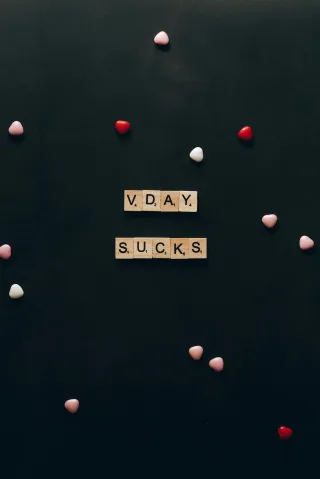
A closely related pattern appears in why am I afraid of losing my partner if we don’t communicate about everything, which adds more context to this behavior.
What Not to Assume About Your Feelings
It’s essential not to label your experiences too quickly. While it can be easy to conclude that you’re simply ‘not cut out for love’ or ‘doomed to repeat mistakes,’ these thoughts can be damaging. Such beliefs can trap you in a cycle of avoidance and further distress, stalling your journey toward healing and connection.
Moreover, while some people may fear rejection due to personal inadequacies, this often overlooks the significant impact of relational context and past experiences. Your feelings are valid, but they also can be misleading if interpreted through a purely self-blaming lens.
A closely related pattern appears in why do I feel anxious about communicating with my partner, which adds more context to this behavior.
Tools for Moving Forward
Accepting that the fear of rejection is a common reaction to breakup-induced traumas can empower you to take steps toward understanding it. One way to move forward is to engage in open communication with potential partners about your fears. Most people appreciate honesty and may respond with patience and reassurance.
Therapeutic approaches can also aid in processing these emotions. Working through your feelings with a professional can equip you with tools to understand and manage your fear, reshaping the narratives that have held you back. Remember, it’s not about forcing yourself into closeness but rather gradually rebuilding your sense of safety in relationships.
A closely related pattern appears in why do I interpret my partner’s silence as rejection, which adds more context to this behavior.
Frequently asked questions
What is the 65% rule of breakups?
The 65% rule suggests that after a breakup, it often takes about 65% of the time you were together to fully heal before finding true closure and beginning a new relationship.
What is pocketing in a relationship?
Pocketing refers to when someone keeps a partner hidden or not fully integrated into their life, often indicating an avoidance of commitment and a fear of being rejected.
Why am I afraid of rejection?
Fear of rejection often stems from past experiences and can be linked to attachment styles or emotional traumas that create a heightened sensitivity to intimacy and vulnerability.
Learn more:
About Us |
Editorial Policy |
Content Quality Standards |
Disclaimer