

Have you ever picked up a self-help book only to feel a wave of insecurity wash over you? It’s as if every page you’re turning is silently pointing out all your flaws. You’re not alone in experiencing this unsettling reaction, and it can leave you wondering: why do certain self-help books trigger my insecurities so deeply?
Understanding the Trigger: Why Self-Help Books Can Ignite Insecurities
Self-help books often promise transformation and clarity, yet for many, they can trigger feelings of inadequacy. This emotional response might stem from the stark contrast these books often draw between our current selves and the idealized versions presented within their pages. When the narrative suggests that we must fundamentally change to be worthy or successful, it can unintentionally reinforce feelings of inferiority and shame. This leads us to question our self-worth, making us feel like we can never measure up.
It’s crucial to acknowledge that not all self-help literature will create this reaction, but many readers often see their personal struggles mirrored back at them, intensifying existing vulnerabilities.

A closely related pattern appears in how to recognize my emotional patterns in relationships, which adds more context to this behavior.
The Psychological Dynamics Behind These Feelings
At the heart of this insecurity-triggering experience often lies a deep-rooted sense of shame. According to psychological theories, individuals with a negative self-image may be more susceptible to these triggers, viewing the self-help advice as a confirmation of their perceived flaws. When they read about self-improvement, they might unconsciously interpret this as an indictment of their current state, exacerbating feelings of inadequacy.
Another factor can be anxiety; self-help advice can sometimes feel overwhelming, leading to what’s known as ‘analysis paralysis.’ Instead of feeling empowered by the guidance, readers may feel paralyzed by the pressure to change and fear of failure, which heightens the sense of insecurity.
A closely related pattern appears in what are the psychological signs that I should break up with my partner, which adds more context to this behavior.
Different Contexts: Not All Self-Help Is Created Equal
Context matters immensely in the realm of self-help. For someone who’s already struggling with self-acceptance, a book promoting radical change can feel like a blunt instrument rather than a gentle nudge toward growth. Conversely, someone with a healthy self-concept may read the same book and draw constructive lessons from it.
Understanding this difference can be illuminating. Those already sensitized to feelings of inadequacy may find that certain books resonate negatively, while others might inspire action and motivation. It’s essential to find the right materials that align with your emotional state and current needs.

A closely related pattern appears in what happens when I’m not self-aware in my relationship, which adds more context to this behavior.
What to Watch For: Recognizing Your Triggers
Becoming aware of your emotional responses is key to navigating the self-help space. When you pick up a book, check in with yourself: Do you feel anxious, overwhelmed, or defensive? These feelings might signal that the material is hitting too close to home. Moreover, understanding your triggers can help you identify which areas of your life you may need to approach with caution or be more selective in the advice you consume.
Consider journaling your emotional responses while reading. This habit can create a healthier distance between you and the text, allowing you to reflect without internalizing negative messages.
A closely related pattern appears in why does my partner’s self-doubt impact our relationship, which adds more context to this behavior.
Taking Steps Toward Healthy Engagement with Self-Help
Instead of abandoning self-help entirely, you can curtail its potentially harmful effects by approaching it with a critical mind. Seek out literature that emphasizes self-acceptance, compassion, and realistic expectations. Books that acknowledge the complexity of human emotions and encourage gentle growth can be more beneficial instead of books that suggest a one-size-fits-all solution.
Additionally, engaging in discussions—whether with trusted friends or therapists—about the content you read can create a space for constructive dialogue and reduce the isolation that feelings of inadequacy may provoke.
Frequently asked questions
What is the 5 finger rule for books?
The 5 finger rule suggests that for every book you read, identify five key takeaways or lessons that resonate with you. This helps in consolidating your learning and ensuring you’re not overwhelmed by the content.
What is the issue with self-help books?
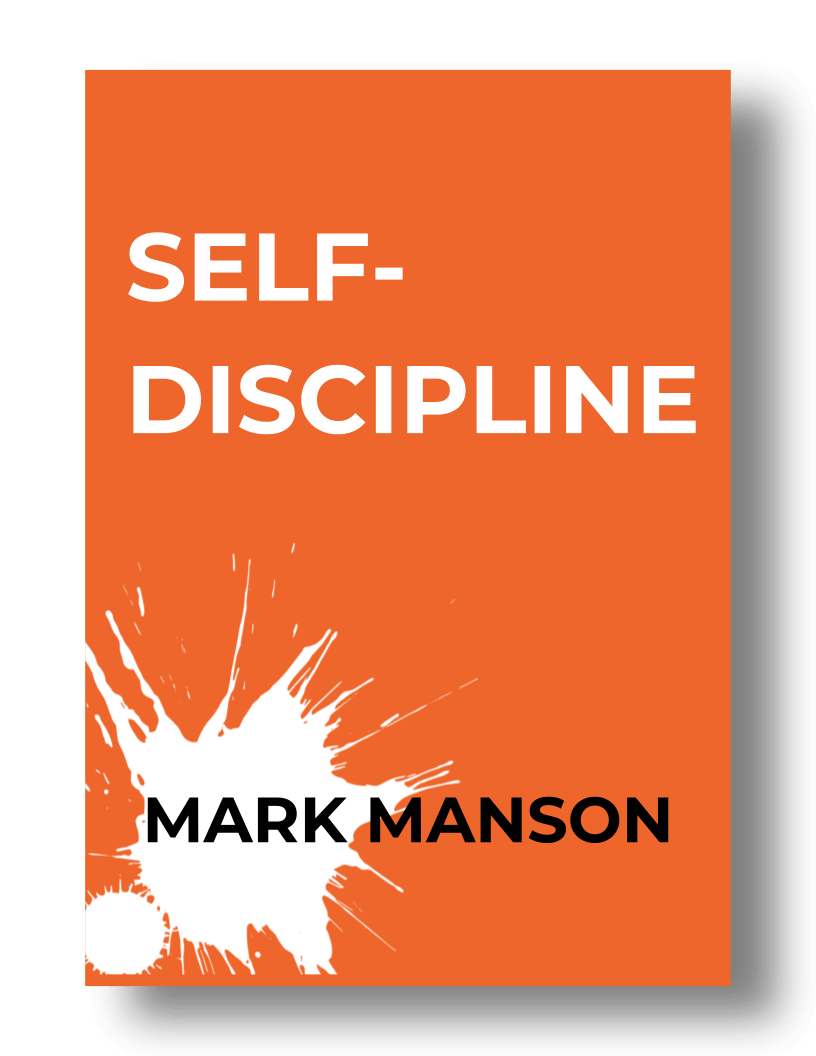
Self-help books can sometimes promote unrealistic expectations and reinforce feelings of inadequacy, especially for readers already struggling with self-esteem. It’s essential to approach them critically and recognize when they aren’t serving your best interests.
What is the 3 book rule?
The 3 book rule encourages readers to apply the lessons from three different self-help books before seeking additional advice. This approach fosters integration of ideas and reduces overwhelm.
Learn more:
About Us |
Editorial Policy |
Content Quality |
Disclaimer