
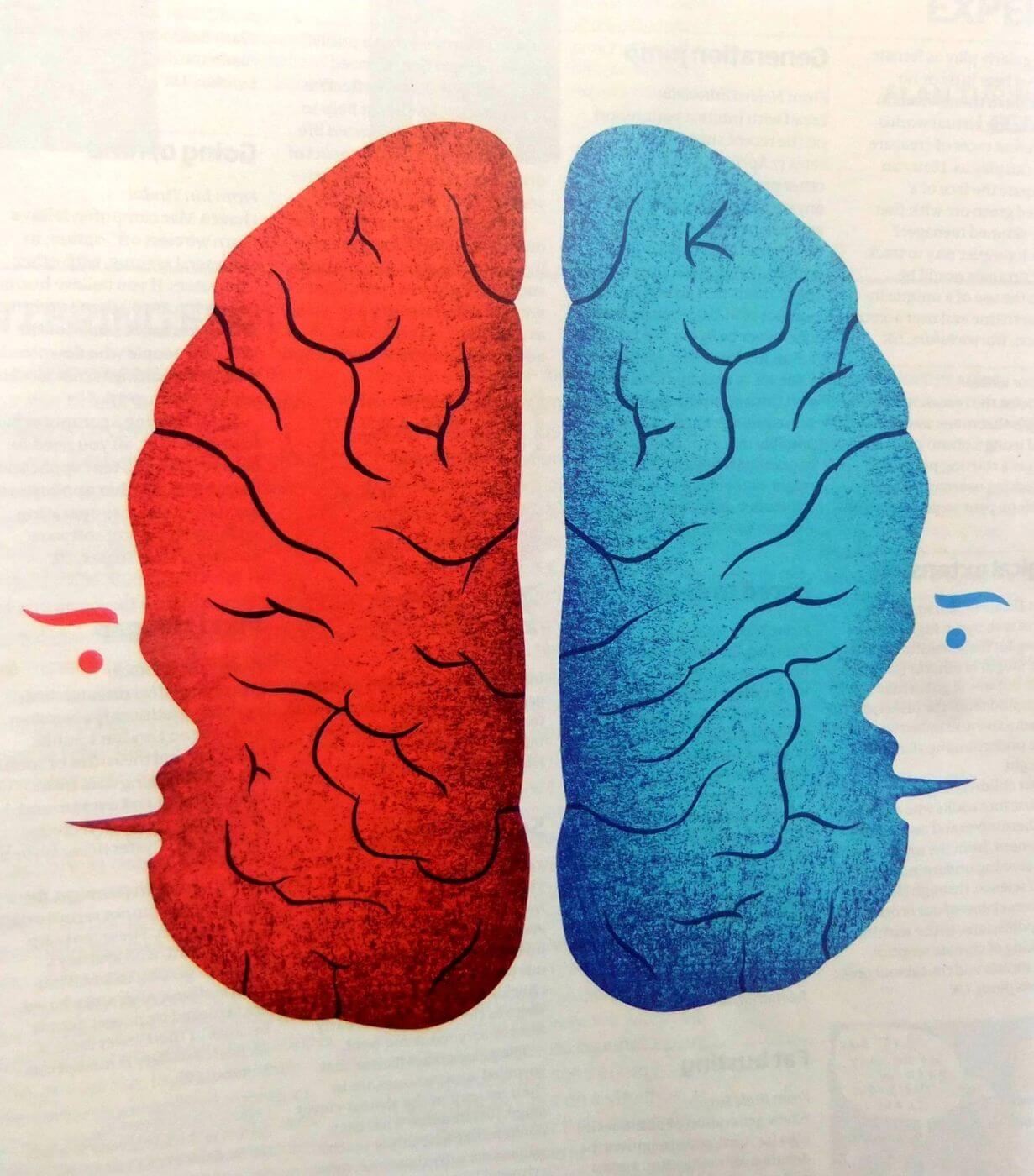
Have you ever felt that your emotions are spiraling out of control in your relationship, but you can’t pinpoint why? This confusion often leads to frustration, misunderstandings, and distance between partners. The truth is, recognizing your emotional patterns is crucial for healthier relationships, yet it can feel overwhelming to unpack the complexities of your feelings.
Understanding Emotional Patterns: What Are They?
Emotional patterns are the recurring feelings and responses we have in relationships, often rooted in our past experiences and beliefs. They manifest through behaviors—like withdrawing during conflicts, overreacting to minor issues, or feeling inadequate despite reassurances. Recognizing these patterns is the first step toward understanding how they influence your interactions with others.
A common pattern might be seeking reassurance from a partner but feeling anxious when it’s not given, leading to tension. You might wonder why such seemingly small issues create larger ripples in your relationship. These feelings often arise from unresolved past traumas or deep-seated insecurities, which color your present experiences.
A closely related pattern appears in how can you recognize covert manipulation in relationships, which adds more context to this behavior.
Why You May Struggle to Recognize Your Patterns
It’s not uncommon to feel blindsided by your own emotions. Many factors can contribute to this struggle, including stress, attachment styles, and even cultural expectations. You might have grown up in an environment where emotional expression was discouraged, making it difficult to articulate your feelings now.
Additionally, the fast pace of life can numb your ability to tune into your emotional landscape. When you’re busy managing daily responsibilities, your inner world can fall to the wayside, causing disconnection from your own feelings. The key is to slow down and create space for self-reflection.

A closely related pattern appears in what does it mean when my partner reassures me but I still feel distant, which adds more context to this behavior.
Different Contexts: The Impact of Background and Environment
Your emotional responses can change drastically depending on the environment and context. For instance, in a calm moment, you may feel loved and secure, yet during an argument, those same feelings might shift to fear and doubt. Understanding these shifts is essential because it allows you to see that the intensity of your emotions may not always be proportional to the current situation.
Moreover, external stressors—like work pressure or family dynamics—can amplify your emotional reactions in relationships. Being aware of these contextual changes and their effects on your feelings can help you navigate your emotional landscape more effectively.
A closely related pattern appears in why does my partner seem distant even after being intimate, which adds more context to this behavior.
Common Misconceptions: What Not to Assume
It’s easy to jump to conclusions about your emotional patterns. For instance, if you often feel abandoned, you might assume it’s your partner’s fault. However, this perspective overlooks the possibility that your feelings may stem from past experiences that predate your current relationship.
Similarly, assuming that your partner should always understand your emotional triggers can lead to resentment. It’s essential to recognize that while your feelings are valid, your partner may not have the context to fully grasp them. Communication is key—expressing needs and feelings can illuminate misunderstandings rather than deepen divides.
A closely related pattern appears in what does it mean when a partner grows distant suddenly, which adds more context to this behavior.
Next Steps: How to Start Recognizing Your Patterns
To embark on the journey of recognizing your emotional patterns, consider journaling your feelings after interactions with your partner. Pay attention to physical sensations, thoughts, and emotional responses—these clues can reveal recurring themes. Over time, patterns will emerge, offering insights into your emotional landscape.
You might also find it helpful to engage in mindfulness practices, such as meditation or deep-breathing exercises, to cultivate a greater awareness of your feelings in real-time. Therapy can also be a supportive space for unpacking these emotional complexities, providing tools to understand and manage your feelings more effectively.
A closely related pattern appears in what does it mean if my partner is emotionally distant but says they love me, which adds more context to this behavior.
Frequently asked questions
How can I identify my emotional triggers?
Begin by keeping a diary of your emotions. Note when you feel strong reactions, and reflect on what might have triggered those feelings. Patterns will emerge over time, helping you recognize potential triggers.
What role do past experiences play in my emotional responses?
Past experiences, particularly traumatic or unresolved ones, can shape how you react emotionally in present situations. Understanding this connection can provide clarity and facilitate healing.