

Are you puzzled about what your partner’s number of past relationships says about your future together? You’re not alone. Many people grapple with this question, feeling uncertain and even threatened by what this number might imply. It’s not just a statistic—it can be a complex emotional signal rooted in past experiences, expectations, and fears. Understanding this dynamic can shed light on how you both view commitment and intimacy.
Direct Interpretation: What Their Number Means
When considering your partner’s number of past relationships, it’s easy to draw immediate conclusions. While a higher number may sometimes suggest a lack of commitment, it could also indicate a rich personal history of learning and growth. Each relationship can contribute to an individual’s emotional maturity, giving them insights into what they truly desire in a partner. Thus, it’s less about the number itself and more about how these experiences have shaped their view of relationships moving forward.
In many cases, people may also fear being judged by their own past relationships, potentially leading to insecurities that can cause friction in a partnership. It’s crucial to see this number not in isolation, but as part of a broader narrative that includes emotional readiness and values regarding relationships.

A closely related pattern appears in why do I feel like I’m repeating my past relationship patterns, which adds more context to this behavior.
Why It May Happen: The Underlying Factors
The dynamics of a person’s past relationships can be influenced by various factors, including age, personal circumstances, and cultural context. Young adults often have more relationships as they explore different identities and preferences. Meanwhile, a partner from a conservative background may have fewer relationships due to social norms or personal values.
Moreover, someone who has undergone significant emotional trauma may approach relationships differently, leading to either a higher number of partners as they seek validation or a lower one due to fear of vulnerability. Recognizing these differences can help you avoid jumping to conclusions about what their number means for your future together.
A closely related pattern appears in why do I fear my partner will leave when we reset our relationship, which adds more context to this behavior.
Different Meanings Depending on Context
Context matters significantly. For example, a partner with multiple serious relationships might possess valuable experiences that can enrich your relationship, whereas someone with a history of casual flings might bring a sense of adventure and openness. However, understand that not all relationships are meaningful; learning to discern between casual and committed ties can greatly affect your perception.
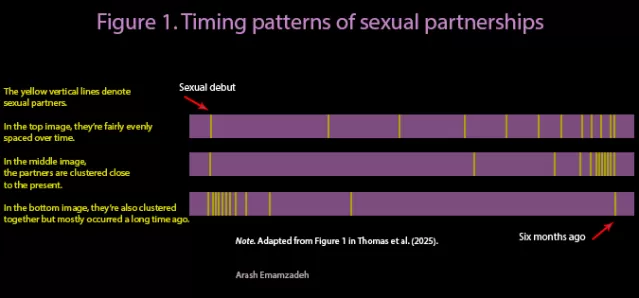
Also, consider the timing of these relationships. Recent partners can sometimes weigh heavier in your partner’s decision-making or emotional availability than those from years ago. So, when assessing compatibility, remember that the recent nature of the experiences may indicate unresolved feelings or patterns that could impact your relationship.

A closely related pattern appears in what does it mean if my partner avoids labels in our relationship, which adds more context to this behavior.
What Not to Assume Too Quickly
One common mistake is confusing quantity with quality. A partner with fewer relationships doesn’t inherently signify better compatibility or loyalty. They may, in fact, have unresolved issues that could complicate your relationship. It’s essential to engage in open conversations about past experiences, expectations, and emotional readiness instead of solely relying on numbers.
Another pitfall is projecting your insecurities onto your partner’s past. If you find yourself feeling threatened by their history, it could stem from your own fears of inadequacy. Addressing these feelings internally can help foster a healthier mindset, allowing for more genuine connections.
A closely related pattern appears in why does my partner always contradict everything I say, which adds more context to this behavior.
How to Understand the Pattern More Clearly
To gain deeper insights into your partner’s past relationships, take the time to communicate openly and thoughtfully. Discuss what they’ve learned from their experiences and how these lessons inform their desires for your relationship. This dialogue can help you both align your expectations and create a foundation of trust.
Additionally, pay attention to how they treat you. Actions often speak louder than past numbers. If your partner demonstrates genuine affection, commitment, and effort in the relationship, it’s a strong indicator of their intent, regardless of their past. Keep the focus on the present and what you’re building together.
A closely related pattern appears in why does my partner seem emotionally distant even when we are together, which adds more context to this behavior.
Frequently asked questions
What is the 7 7 7 rule for married couples?
The 7 7 7 rule suggests that couples should aim to spend seven hours a week together, go on seven dates a year, and take seven days off together each year to strengthen their relationship.
What is the 3 6 9 rule in relationships?
The 3 6 9 rule recommends that couples touch base every three days for intimacy, connect every six days for meaningful conversations, and reassess their relationship every nine days to ensure they are aligned.
Learn more:
About Us |
Editorial Policy |
Content Quality Standards |
Disclaimer