
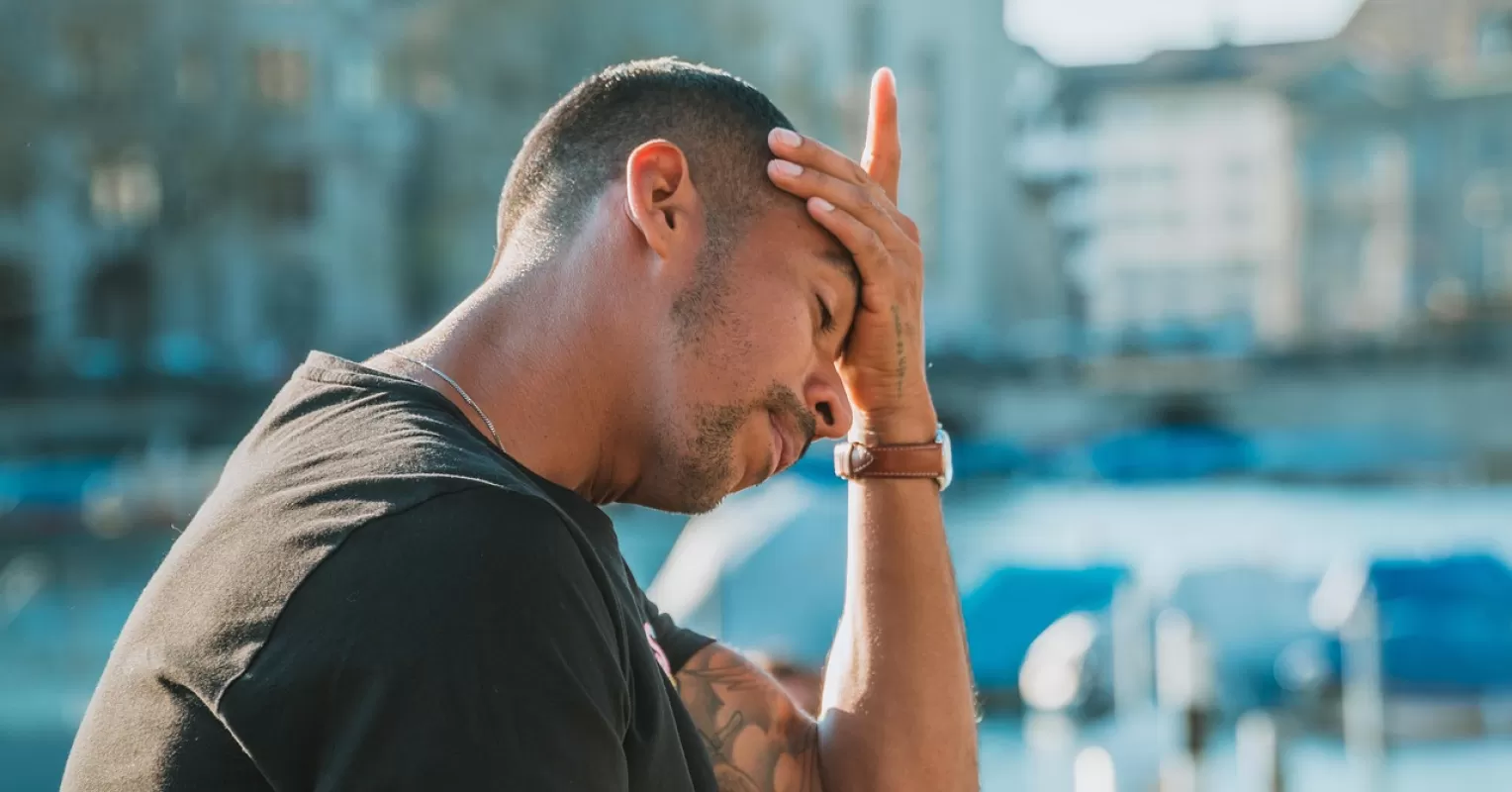
Have you noticed the man in your life pulling away after a setback? It can leave you feeling perplexed and even fearful. Understanding what it means when a man withdraws after a loss isn’t always straightforward. It might seem like he’s shutting you out or not caring, but there’s much more beneath the surface.
Understanding Withdrawal After a Loss
When a man withdraws after experiencing a loss, it often signifies a struggle with intense emotions that he may find hard to express. This can be confusing and painful for those around him, particularly if they feel shut out. His withdrawal is often a coping mechanism, a way to retreat into his thoughts and feelings to process the grief silently.
In many cases, this behavior isn’t about you; it’s about him grappling with loss. The silence and distance may be driven by fear, confusion, or an overwhelming sense of vulnerability. Understanding that withdrawal can be a form of self-protection may shed light on this emotional landscape.

A closely related pattern appears in what does it mean when my partner withdraws during festive seasons, which adds more context to this behavior.
Why Men May Withdraw
Cultural expectations play a significant role in how men express grief. Many are conditioned to ‘be strong’ and ‘suck it up,’ which can lead them to hide their emotions instead of seeking support. This includes feelings of sadness, anger, or fear—emotions that are often dismissed as weakness in masculine frameworks.
Furthermore, he might feel a deep sense of shame for being vulnerable. The withdrawal can be his way of numbing the pain or avoiding what he perceives as emotional burdening of others. It’s important to recognize this behavior often stems from internal battles related to self-esteem and emotional maturity.

A closely related pattern appears in what does it mean when your partner withdraws after an argument, which adds more context to this behavior.
The Varied Meanings of Withdrawal
Withdrawal can mean different things depending on the context. It could signify deep sorrow, avoidance of his feelings, or a fear of appearing weak. In romantic relationships, this can complicate dynamics, as you may sense that his absence leaves a void.
Interestingly, withdrawal doesn’t always equate to a desire to end a relationship; sometimes, it means he needs space to regroup. He might be trying to figure out his next steps amid overwhelming emotions. Understanding these nuances can help in navigating this challenging behavior.

A closely related pattern appears in what does it mean if my partner withdraws after an argument, which adds more context to this behavior.
What Not to Assume
When faced with withdrawal, it’s easy to jump to conclusions—thinking he no longer cares, or that you’ve done something wrong. However, this is not always the case. Often, the man’s distance is a personal journey and doesn’t reflect his feelings about you or the relationship.
Assuming negative intentions can exacerbate feelings of isolation for both of you. Instead, recognize that understanding his need for space without taking it personally is crucial. It’s important to foster open communication when possible, without pressing too hard for answers.
A closely related pattern appears in what does it mean when I feel distant from loved ones despite gratitude, which adds more context to this behavior.
Moving Forward Together
While it’s important to give him the space he needs, how you respond can also make a difference. Gently encourage him to share his feelings when he is ready, and reassure him that it’s okay to ask for help. Sometimes, even small gestures of support can bridge the gap—whether offering to listen or simply being there to distract him with shared activities.
Encouraging him to engage with friends or pursue self-care can help him process his emotions outside of isolation. Remember that healing takes time, and being patient while maintaining open lines of communication can strengthen your bond during this challenging period.
A closely related pattern appears in what does it mean when my partner feels distant during the holidays, which adds more context to this behavior.
Frequently asked questions
Why do men withdraw when grieving?
Men often withdraw when grieving due to societal pressures that encourage them to repress emotions. This withdrawal can serve as a coping mechanism to deal with intense feelings of sadness, fear, or vulnerability.
What are the signs of emotional immaturity in a man?
Signs of emotional immaturity can include avoidance of deep emotions, fear of vulnerability, impulsive reactions, and a tendency to shut down or withdraw when faced with conflict.
What causes a person to become withdrawn?
Withdrawal can be caused by heightened stress, unresolved grief, fear of rejection, or feeling overwhelmed. People may retreat into themselves as a way to protect against emotional pain.
Learn more:
About Us |
Editorial Policy |
Content Quality Standards |
Disclaimer