

Have you ever found yourself endlessly scrolling through social media, feeling a mix of excitement and guilt? If you’re wondering what social media addiction looks like, you’re not alone. Many people experience a pull towards their devices that can feel both familiar and unsettling. This article explores the signs of social media addiction, the emotional patterns behind it, and how it can impact your relationships and mental well-being.
Recognizing the Signs of Social Media Addiction
Social media addiction can manifest in various ways, often starting subtly. You might notice that you check your phone first thing in the morning or feel anxious when you can’t access your accounts. These behaviors can escalate to spending hours online, neglecting real-life interactions, and feeling a sense of emptiness when away from your device.
In many cases, the signs of addiction aren’t just about time spent online. They can include emotional responses like irritability when you don’t receive notifications, or a compulsive need to share every moment of your life. Recognizing these patterns is the first step toward understanding the impact of social media on your daily life.

A closely related pattern appears in What Does Self-Love Look Like in Everyday Life?, which adds more context to this behavior.
Why Does Social Media Addiction Happen?
Understanding the reasons behind social media addiction can provide clarity. Many people turn to social media for connection, validation, or even distraction from stress. The instant gratification of likes and comments can create a feedback loop, encouraging you to engage more frequently.
Moreover, social media platforms are designed to be addictive. They use algorithms that keep you scrolling, often leading to a loss of time and awareness. This can create a cycle where the more you engage, the more you feel compelled to return, even when it negatively affects your mood or relationships.
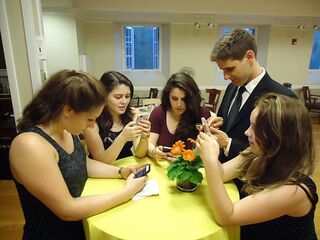
The Emotional Impact of Social Media Addiction
Social media addiction often leads to a range of emotional responses, including loneliness and anxiety. While it may seem like a tool for connection, excessive use can lead to feelings of isolation. Many users report feeling more lonely after spending time on social media, as online interactions can lack the depth of face-to-face conversations.
Additionally, comparing your life to the curated images and stories of others can exacerbate feelings of inadequacy. This emotional toll can create a cycle where you seek validation online while simultaneously feeling worse about yourself.

What Not to Assume About Social Media Use
It’s essential to avoid jumping to conclusions about yourself or others when it comes to social media use. Just because someone spends a lot of time online doesn’t necessarily mean they are addicted. Context matters—some individuals may use social media for work or to stay connected with family and friends.
Moreover, not all social media use is harmful. It can serve as a valuable tool for networking, learning, or even finding support in communities. Understanding the nuances of social media use can help you interpret your relationship with it more clearly.
Understanding Your Relationship with Social Media
To navigate social media more mindfully, consider reflecting on your usage patterns. Ask yourself how it makes you feel—do you leave social media feeling uplifted or drained? Setting boundaries, such as limiting screen time or designating ‘phone-free’ moments, can help restore balance.
Ultimately, understanding what social media addiction looks like is about recognizing your patterns and emotional responses. By doing so, you can make informed choices that enhance your well-being rather than detract from it.
Frequently asked questions
What are the common signs of social media addiction?
Common signs include excessive time spent online, feeling anxious without access to social media, and neglecting real-world relationships.
How can I reduce my social media usage?
Consider setting specific time limits for social media use, turning off notifications, and engaging in offline activities that bring you joy.
Learn more:
About Us |
Editorial Policy |
Content Quality Standards |
Disclaimer