

Have you ever felt that something was off in your relationship but couldn’t quite put your finger on it? If you’re grappling with the effects of toxic masculinity, you’re not alone. This concept can subtly shape how men and women relate to each other, often leading to misunderstandings and emotional disconnect. Let’s explore how these dynamics play out in relationships and what you can do to navigate them.
What Are the Effects of Toxic Masculinity?
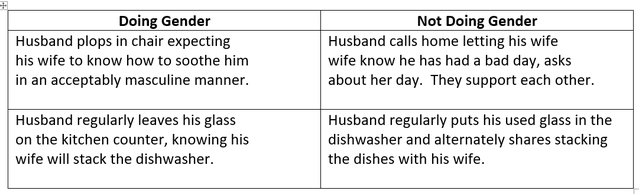
Toxic masculinity refers to cultural norms that define masculinity in ways that can be harmful to both men and women. This includes traits like aggression, emotional suppression, and entitlement. In relationships, these traits can manifest as a lack of emotional availability, leading to feelings of isolation or frustration for partners. For instance, a man who feels pressured to embody these traits may struggle to express vulnerability, leaving his partner feeling unheard and disconnected.
Moreover, toxic masculinity can create power imbalances in relationships. When one partner adheres to rigid gender roles, it can lead to resentment or conflict, as the other partner may feel stifled or undervalued. This dynamic often perpetuates cycles of misunderstanding and emotional distance.
A closely related pattern appears in Signs of a Toxic Work Environment: Are You Experiencing These Red Flags?, which adds more context to this behavior.
Why Does Toxic Masculinity Occur?
Toxic masculinity often stems from societal expectations that dictate how men should behave. From a young age, boys are taught to be tough, competitive, and emotionally stoic. This conditioning can lead to a reluctance to show vulnerability, which is crucial for healthy emotional connections in relationships. Additionally, cultural narratives glorifying aggression and dominance can reinforce these behaviors, making it difficult for men to embrace a more nuanced understanding of masculinity.
Furthermore, the fear of being perceived as ‘less than’ or ‘weak’ can drive men to adopt toxic behaviors as a defense mechanism. This fear can create a barrier to authentic communication and emotional intimacy, leaving both partners feeling dissatisfied.
Different Perspectives on Toxic Masculinity
It’s important to recognize that the effects of toxic masculinity can vary widely based on individual experiences and cultural backgrounds. For some, these traits might be internalized to the point where they feel compelled to act them out in relationships, while others may actively resist these norms. Understanding this spectrum can help both partners navigate their feelings and expectations more effectively.
Additionally, not all expressions of masculinity are inherently toxic. Some traits, such as assertiveness and protectiveness, can be positive when balanced with empathy and respect. The challenge lies in distinguishing between healthy and toxic behaviors, which can often be context-dependent.
What Not to Assume About Toxic Masculinity
One common misconception is that all men exhibit toxic masculinity. This is not true; many men are aware of these dynamics and actively seek to challenge them. It’s crucial not to label individuals based on stereotypes, as this can lead to further alienation and misunderstanding in relationships.
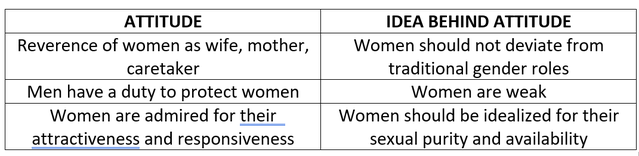
Moreover, it’s essential to avoid assuming that toxic masculinity is solely a male issue. Women can also perpetuate these norms, often internalizing societal expectations that dictate how they should respond to men. This can create a cycle of reinforcement, making it difficult for both partners to break free from harmful patterns.
Navigating Relationships Amidst Toxic Masculinity
To foster healthier relationships, open communication is vital. Both partners should feel safe discussing their feelings and experiences without fear of judgment. This can help dismantle the barriers created by toxic masculinity and promote emotional intimacy.
Additionally, it may be beneficial to seek external support, such as counseling or workshops focused on healthy masculinity. These resources can provide valuable insights and tools for both partners to navigate their relationship dynamics more effectively.
Frequently asked questions
How can I tell if toxic masculinity is affecting my relationship?
Signs may include emotional distance, power struggles, or a lack of open communication. If you notice these patterns, it’s worth exploring them together.
What can I do to address toxic masculinity in my relationship?
Start by fostering open dialogue about feelings and expectations. Consider seeking professional help if needed, and be willing to challenge societal norms together.
Learn more:
About Us |
Editorial Policy |
Content Quality Standards |
Disclaimer