
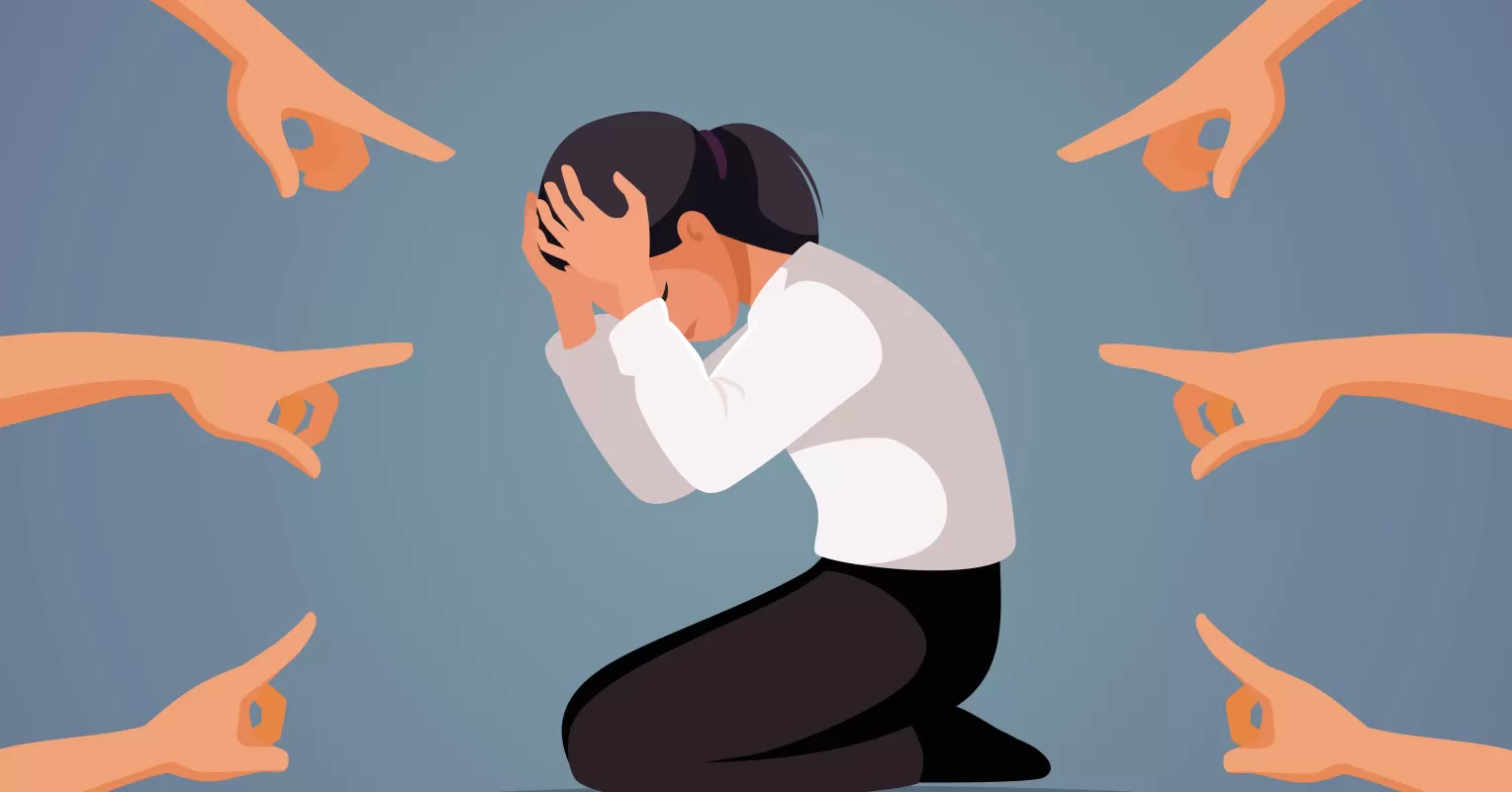
Have you ever felt your partner shut down during a fight, leaving you grappling with confusion and hurt? Emotional withdrawal can significantly impact relationship dynamics during conflicts, often leaving both partners feeling alienated. It might seem like they’re just being distant, but the reality is more complex—and painful.
What Is Emotional Withdrawal in Relationships?
Emotional withdrawal refers to a partner’s sudden disengagement from the conversation, leading to silence or emotional numbness during conflicts. It often feels like a defensive mechanism, where one partner shuts down to avoid further emotional pain. This disengagement manifests as a lack of response, avoidance of eye contact, or even physically leaving the space altogether. For many, it’s an instinctive reaction to overwhelming feelings, making the situation even more alienating for those who want to connect.
This phenomenon isn’t just about the act itself; it embodies a deeper emotional struggle. It can feel like a rejection, leaving partners yearning for understanding and connection. However, labeling this behavior merely as withdrawal oversimplifies the emotional turmoil underlying such actions.

A closely related pattern appears in why does my partner’s silence feel so heavy during our fights, which adds more context to this behavior.
Why Does Emotional Withdrawal Happen?
Understanding the ‘why’ behind emotional withdrawal can provide insight into the psychological aspects at play. During intense discussions, especially arguments, feelings of shame or inadequacy can surface, triggering an instinct to protect oneself. For some, this might result in avoiding conflict altogether, believing that pulling away is safer than facing the emotional fallout of confrontation.
Additionally, past experiences may shape how individuals react during conflict. History of trauma or emotional neglect often leads to heightened sensitivity around issues of rejection. When emotions hit a peak, the brain may activate survival responses—leading to withdrawal instead of engagement. This reaction can spiral quickly, leaving the other partner feeling unheard and prompting even more intense responses.

A closely related pattern appears in why does my partner seem to withdraw after a fight, which adds more context to this behavior.
Different Meanings Based on Context
Emotional withdrawal can take on various meanings depending on the context of the relationship. For some, it may signal defense mechanisms honed from prior experiences; for others, it could indicate a more profound fear of intimacy or connection. In long-term partnerships, consistent withdrawal may represent a larger issue of emotional safety, where one or both partners feel they cannot express their needs or concerns openly.
Consider also how cultural background influences this behavior. In some families or communities, vulnerability may not be encouraged, making emotional withdrawal a more common response. Thus, rather than viewing it purely as avoidance, it might be a complex tapestry woven from individual pasts, relationship dynamics, and societal expectations.

A closely related pattern appears in why do I feel distant during conflicts with my partner, which adds more context to this behavior.
What Not to Assume Too Quickly
It’s crucial not to jump to conclusions when a partner withdraws emotionally during a fight. The immediate reaction might be to interpret the silence as indifference or lack of care, which can exacerbate hurt feelings and conflict. In reality, the partner who withdraws may be battling their own internal struggle—feeling overwhelmed, ashamed, or vulnerable.
Furthermore, assuming that withdrawal indicates a lack of investment in the relationship can be misleading. Often, the distance reflects an attempt to cope rather than a desire to disengage completely. Recognizing this can change how both partners approach the conversation and help in finding paths toward connection instead of disconnection.
A closely related pattern appears in what to do when my partner becomes distant during conflicts, which adds more context to this behavior.
Understanding the Pattern for a Healthier Dynamic
To navigate emotional withdrawal effectively, awareness is key. Both partners should work on recognizing the signs of emotional withdrawal as they occur. When one partner feels the pull to withdraw, they can communicate this with phrases like, “I feel overwhelmed right now,” instead of shutting down entirely. Developing a vocabulary around these feelings can cultivate a safe space for both parties to express their vulnerabilities.
Practicing grounding techniques can also be beneficial. Approaching the fight with calm, reflective sentiments can soften the emotional blows and allow for clearer communication. Strategies such as taking a pause to breathe, reflecting on the emotional triggers, or even setting boundaries around discussions can lead to a healthier exchange—transforming conflict from a battlefield to an opportunity for greater understanding.
A closely related pattern appears in what triggers my partner’s emotional distance during arguments, which adds more context to this behavior.
Frequently asked questions
What are the signs of emotional withdrawal in a relationship?
Signs include sudden silence, detachment during conversations, lack of eye contact, or a partner physically leaving the room. It can manifest as emotional numbing or robotic responses, indicating inner turmoil.
What should I do when my partner shuts down during conflict?
Start by acknowledging their feelings without judgment. Encourage open communication about their need for space while expressing your feelings of hurt or confusion, and suggest a time to revisit the discussion when both are calmer.
Learn more:
About Us |
Editorial Policy |
Content Quality Standards |
Disclaimer