
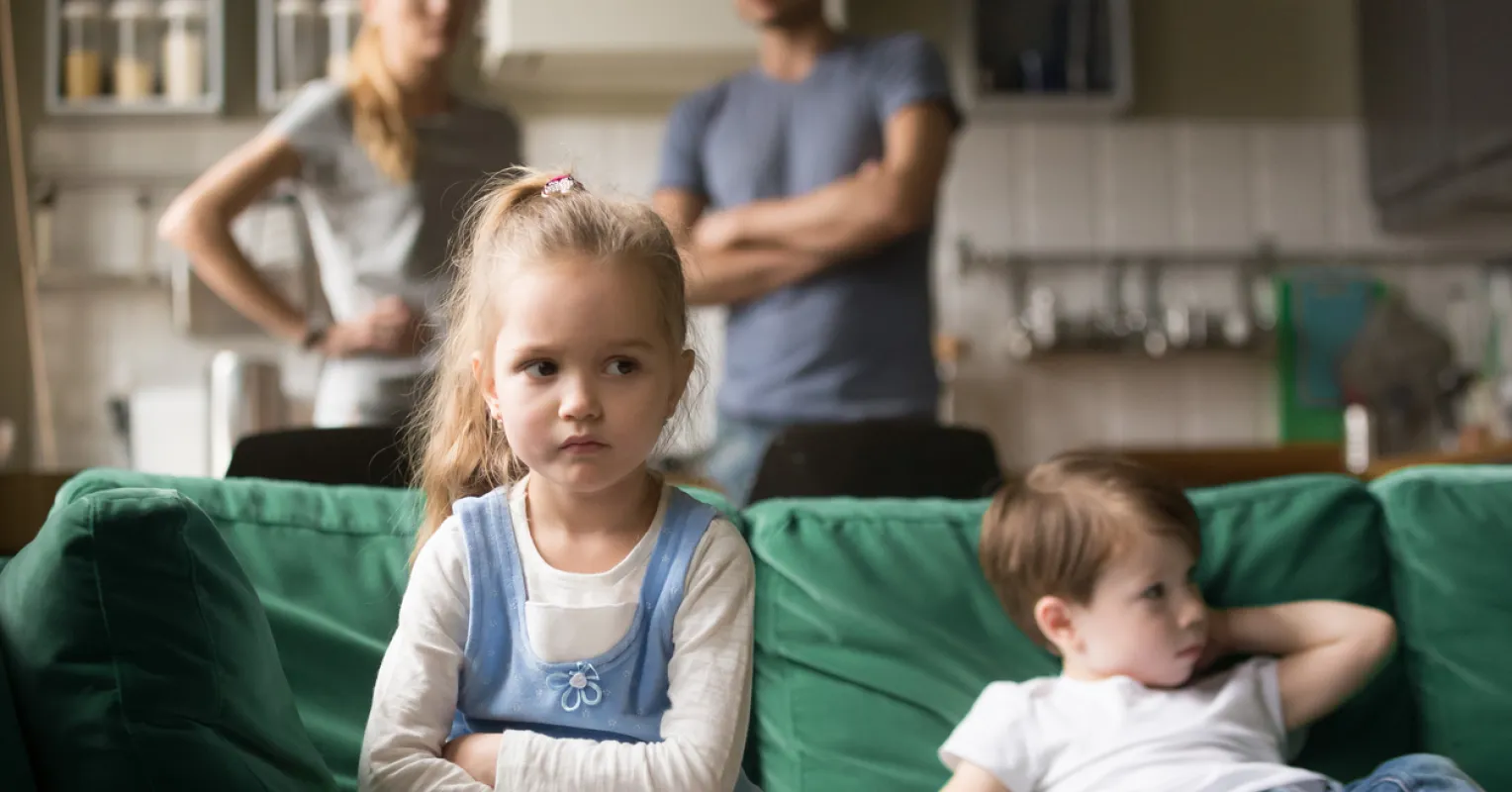
Are you worried that your children are unknowingly echoing your relationship mistakes? This concern is more common than you might think. Kids often absorb their parents’ behaviors, especially when it comes to relationships. If you’ve noticed them exhibiting patterns that remind you of your own past missteps, it’s crucial to recognize and address these signs early on. Understanding these dynamics can empower you to guide them towards healthier emotional patterns and relationship dynamics.
Recognizing the Signs
The first step is noticing the subtle signs that your children might be repeating your relationship mistakes. Are they displaying emotional withdrawal when conflicts arise or engaging in stonewalling during disagreements? These behaviors can be red flags indicating they are following in your footsteps.
For example, if your child often shuts down during a disagreement, it could reflect how you handled conflict in your own relationships. When they see their parents avoid discussing feelings or confrontations, they may learn that suppressing emotions is the norm.

A closely related pattern appears in what if my stepchildren resist playing together, which adds more context to this behavior.
Why It Happens
Children are like sponges; they absorb everything from their environment, particularly from their primary caregivers. This includes emotional patterns, conflict resolution styles, and coping mechanisms. If you’ve normalized unhealthy behaviors in your relationships, they might view these as typical and acceptable.
One possible reason for this cycle is that kids often learn more from what they observe than from what they’re told. So, if your relationship includes elements like avoidance or emotional instability, they might come to see these patterns as a part of love and intimacy.

A closely related pattern appears in are my relationship issues rooted in my childhood experiences, which adds more context to this behavior.
The Impact of Unresolved Patterns
The ways you manage relationships can directly impact your children’s ability to form healthy connections. If they grow up seeing conflict as something to be avoided or escape from rather than handled maturely, they may replicate this in their future partnerships.
This observation is not meant to instill guilt. It’s about understanding that our behaviors have consequences. Acknowledging this can pave the way for crucial conversations with your kids about healthy relationships and emotional expression.

A closely related pattern appears in how does childhood emotional neglect affect adult relationships, which adds more context to this behavior.
What Not to Assume
It’s vital not to jump to conclusions too quickly when observing these behaviors. Just because your child exhibits certain patterns doesn’t mean they are doomed to repeat your mistakes. Each child is unique and may react to their environment in various ways. Context plays an enormous role in shaping how they internalize relationships.
Also, don’t forget to consider external influences—friends, media, and school—may also contribute to how they view relationships. Encouraging open dialogue about these influences can help them make more informed choices.
A closely related pattern appears in why do I feel like my politeness is being taken advantage of in my relationships, which adds more context to this behavior.
Path Forward: How to Model Healthy Relationships
To break the cycle, it’s essential to model and discuss healthy relationship behaviors. Show them that conflict is natural but must be approached with honesty and empathy. Teach them how to communicate effectively and the importance of repairing relationships after conflicts.
You can also encourage your child to reflect on their own preferences and teach them about emotional intelligence. By doing so, you can help them navigate their future relationships without falling into the same patterns you’ve experienced.
A closely related pattern appears in why do I keep repeating the same relationship mistakes, which adds more context to this behavior.
Frequently asked questions
What is the 7 7 7 rule for parenting?
The 7 7 7 rule suggests dedicating 7 minutes a day for meaningful conversations, 7 hours for quality time per week, and 7 days for a family outing to strengthen relationships.
What does an unhealthy parent-child relationship look like?
An unhealthy parent-child relationship might involve excessive control, lack of emotional support, or enmeshment, where the child’s needs overshadow the parent’s.
Learn more:
About Us |
Editorial Policy |
Content Quality Standards |
Disclaimer