
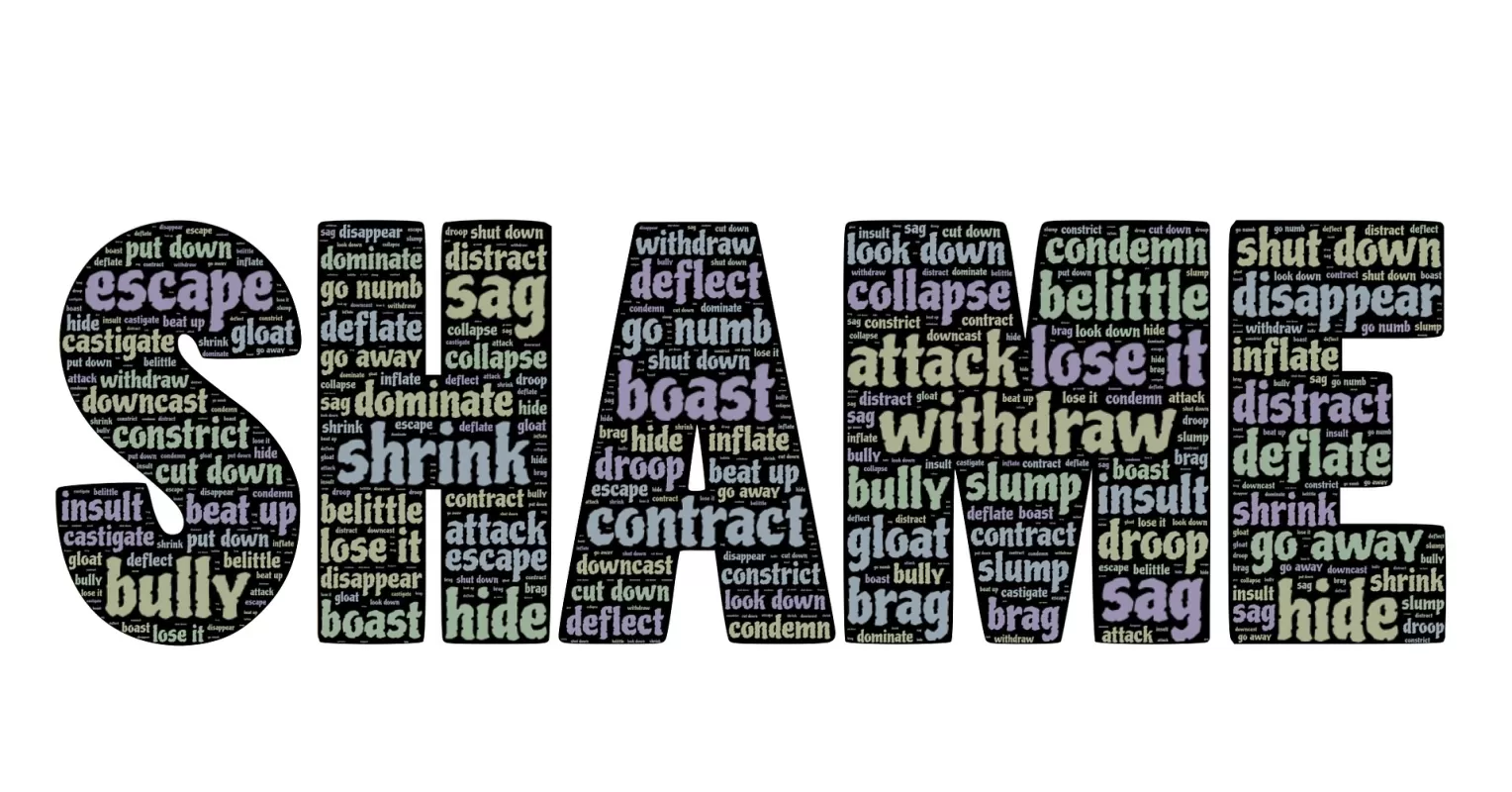
You might feel a heavy weight on your chest, a gnawing sense that something is fundamentally wrong. If you’re wondering how to heal from shame and guilt, you’re not alone. Many people grapple with these feelings, especially in the context of their relationships. It’s a painful cycle that can leave you feeling isolated and unworthy, but understanding these emotions is the first step toward healing.
Understanding Shame and Guilt
Shame and guilt are often intertwined, yet they are distinct emotions. Guilt typically arises from a specific action—’I did something wrong.’ In contrast, shame can feel like a more pervasive state of being—’I am wrong.’ This distinction is crucial because it shapes how we approach healing. When you feel guilt, it’s often easier to identify the behavior that needs addressing. However, shame can lead to a more profound sense of unworthiness, making it harder to connect with others.
In relationships, these feelings can manifest in various ways. You might withdraw from your partner, fearing they will judge you for your perceived flaws. Alternatively, you may overcompensate by being overly accommodating, hoping to mask your shame. Recognizing the difference between these emotions is essential for understanding how they affect your interactions.

A closely related pattern appears in How to Heal from Emotional Trauma: Understanding Your Journey, which adds more context to this behavior.
Why You May Feel Shame and Guilt
The origins of shame and guilt can often be traced back to childhood experiences, societal expectations, or even personal failures. Many people internalize messages that equate their worth with their actions, leading to a cycle of self-criticism. For example, if you were raised in an environment where mistakes were harshly punished, you might carry that fear into adulthood, feeling that any misstep makes you unlovable.
In romantic relationships, these feelings can be exacerbated by misunderstandings or miscommunications. You might feel guilty for not meeting your partner’s expectations or ashamed of past behaviors that you believe have damaged the relationship. This emotional baggage can create barriers to intimacy and trust.
A closely related pattern appears in How to Heal Shame from Childhood: Understanding Its Impact on Relationships, which adds more context to this behavior.
Different Meanings Depending on Context
The context in which shame and guilt arise can significantly affect how you experience and express these emotions. For instance, in a relationship, guilt may prompt you to apologize and seek forgiveness, while shame might lead you to withdraw or lash out defensively. Understanding the context can help you respond more effectively.
Moreover, cultural factors play a role in how these emotions are perceived. In some cultures, expressing vulnerability is seen as a weakness, while in others, it’s a pathway to deeper connections. Being aware of these nuances can help you navigate your feelings and interactions more mindfully.

What Not to Assume Too Quickly
It’s easy to assume that shame and guilt are purely negative emotions that should be avoided at all costs. However, they can also serve as signals that something needs to change. Instead of suppressing these feelings, consider them as invitations to explore deeper issues within yourself and your relationships.
Additionally, don’t assume that your partner understands the source of your shame or guilt. Open communication is essential. They may not realize that your withdrawal or defensiveness stems from these emotions, leading to misunderstandings and further conflict.
Steps Toward Healing
Healing from shame and guilt starts with self-compassion. Acknowledge that everyone makes mistakes and that these experiences do not define your worth. Consider sharing your feelings with a trusted friend or therapist who can provide empathy and understanding. This act of sharing can help diminish the power of shame, allowing you to see that you are not alone in your struggles.
Additionally, practice reframing your thoughts. Instead of saying, ‘I am a failure,’ try, ‘I made a mistake, but I can learn from it.’ This shift can help you move from a shame-based perspective to a more constructive, guilt-based one, fostering growth and healing.
Frequently asked questions
Can shame and guilt be beneficial?
Yes, in moderation, guilt can prompt positive change by encouraging accountability for actions. However, shame often leads to negative self-perception and should be addressed with self-compassion.
How can I communicate my feelings of shame to my partner?
Start by expressing your feelings in a safe and calm environment. Use ‘I’ statements to share your experiences without placing blame, which can help foster understanding and intimacy.
Learn more:
About Us |
Editorial Policy |
Content Quality Standards |
Disclaimer