

Have you ever felt like you’re speaking a different language with your partner, especially when they seem emotionally distant? If you’re wondering how to communicate effectively with an avoidant partner, you’re not alone. Many people find themselves frustrated, trying to connect with someone who appears to shut down or withdraw when discussions get too deep or emotional. This article will explore why avoidant partners behave this way and how you can bridge that gap.
Understanding Avoidant Attachment
Avoidant attachment often manifests as emotional distance. Your partner may seem fine on the surface, but when it comes to deeper emotional discussions, they might retreat. This behavior can feel like rejection, leaving you confused and questioning your relationship’s stability. Understanding this attachment style is crucial; it’s not about you being unworthy but rather about their fear of vulnerability.
In many cases, avoidant individuals have learned to prioritize self-sufficiency over emotional intimacy. They may have been conditioned to believe that relying on others can lead to disappointment or hurt, which can make open communication feel threatening. Recognizing this can help you approach conversations with empathy rather than frustration.

A closely related pattern appears in how to communicate with someone with autism, which adds more context to this behavior.
Why Avoidant Partners Withdraw
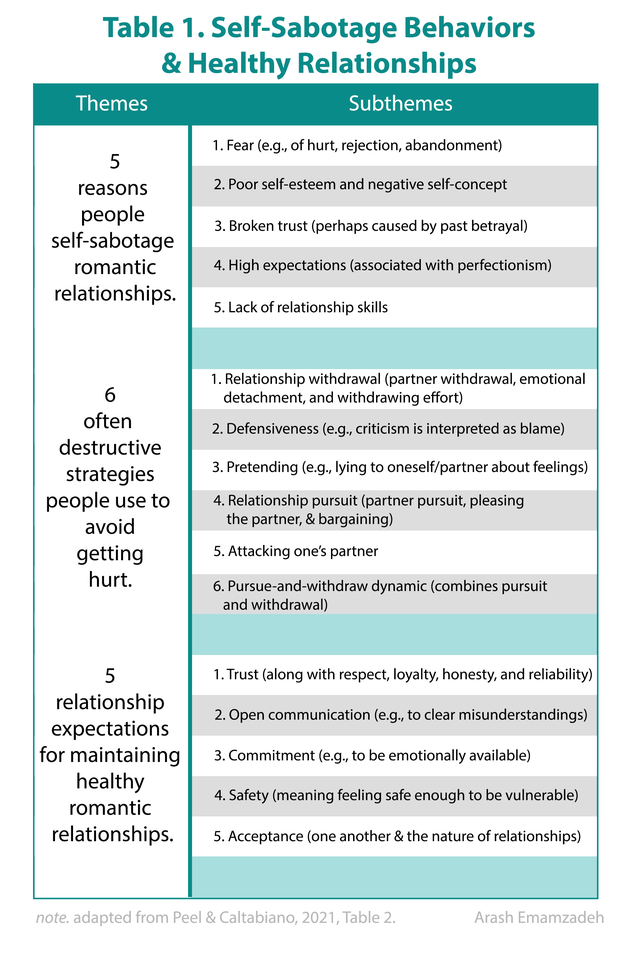
The withdrawal behavior can stem from several factors, including past traumas, fear of rejection, or a general discomfort with emotional expression. For instance, if your partner has experienced betrayal in past relationships, they may unconsciously distance themselves to protect their heart from potential pain.
This withdrawal is not a reflection of their feelings for you; rather, it’s a self-preservation tactic. They might feel overwhelmed by emotions or perceive intimacy as a threat, leading them to shut down when conversations become too intense.

A closely related pattern appears in how to communicate effectively with someone who has avoidant attachment, which adds more context to this behavior.
Different Meanings Behind Their Behavior
When your partner withdraws, it can be easy to interpret this as a lack of interest or love. However, context matters. Their avoidance may not mean they don’t care; it often signifies their internal struggle with vulnerability. They might be battling feelings of inadequacy or fear of being judged, which can lead to emotional shutdowns.
Understanding these nuances can help you respond more effectively. Instead of taking their withdrawal personally, consider it a signal that they need space or a different approach to communication.
What Not to Assume Too Quickly
It’s essential to avoid jumping to conclusions about your partner’s feelings. Just because they pull away doesn’t mean they want to end the relationship or that they don’t love you. This assumption can create unnecessary tension and lead to misunderstandings.
Instead, focus on creating a safe space for dialogue. Encourage your partner to share their feelings without judgment. This approach can help dismantle the walls they’ve built and foster a deeper connection.
Strategies for Effective Communication
To communicate effectively with an avoidant partner, consider using ‘soft starts.’ Begin conversations gently, avoiding accusations or high-stakes discussions. Phrasing your concerns in a way that emphasizes your feelings rather than their actions can reduce defensiveness.
Additionally, practice patience. Allow your partner time to process their emotions and thoughts. Sometimes, giving them space can lead to more meaningful conversations later. Establishing a routine for check-ins can also help normalize emotional discussions, making them feel less daunting.
Frequently asked questions
How can I tell if my partner is avoidant?
Signs of an avoidant partner include emotional withdrawal, discomfort with intimacy, and a tendency to shut down during deep conversations. They may also prioritize independence over closeness.
What should I do if my partner shuts down during a conversation?
If your partner shuts down, try to give them space and revisit the conversation later. Approach them with empathy and understanding, emphasizing that you want to hear their feelings without pressure.
Learn more:
About Us |
Editorial Policy |
Content Quality Standards |
Disclaimer