
Have you ever felt a deep connection with someone, only to find that something feels off? Understanding how attachment styles affect relationships can shed light on these confusing dynamics. Whether you’re feeling anxious, secure, or distant, your attachment style may be influencing how you interact and connect with others.
What Are Attachment Styles?
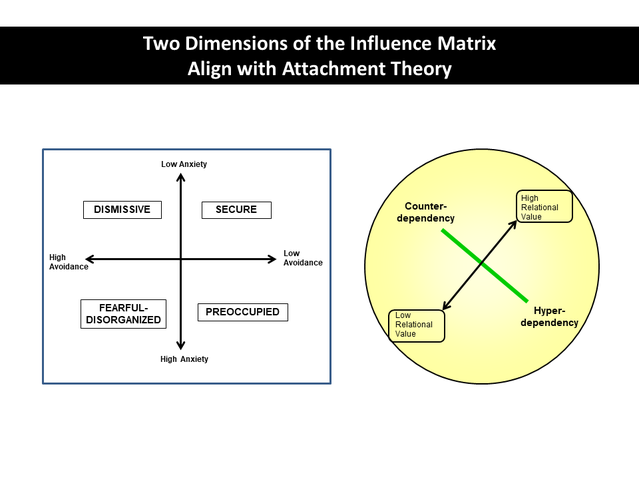
Attachment styles are patterns of behavior in relationships that stem from early interactions with caregivers. They can be broadly categorized into four types: secure, anxious, avoidant, and disorganized. Each style shapes how individuals perceive intimacy, trust, and emotional support. For instance, a person with a secure attachment style is likely to feel comfortable with closeness and trust, while someone with an anxious attachment style may constantly seek reassurance and fear abandonment.
Understanding your attachment style can provide insight into your relationship patterns. If you often find yourself feeling insecure or overly dependent on your partner, it might indicate an anxious attachment. Conversely, if you tend to keep your distance and avoid emotional intimacy, you may have an avoidant attachment style.

A closely related pattern appears in understanding attachment styles when someone needs space, which adds more context to this behavior.
Why Attachment Styles Matter in Relationships
Attachment styles can significantly influence how we communicate and resolve conflicts in relationships. For example, individuals with secure attachment styles are generally better equipped to handle disagreements, as they are more likely to express their feelings openly and seek compromise. In contrast, those with anxious or avoidant styles may struggle to communicate effectively, leading to misunderstandings and emotional distance.
This dynamic can create a cycle of conflict and withdrawal, where one partner’s anxiety triggers the other’s avoidance, making it harder to achieve a satisfying emotional connection. Recognizing these patterns can be the first step toward breaking the cycle and fostering healthier interactions.
Different Meanings of Attachment Styles in Context
The impact of attachment styles can vary depending on the context of the relationship. In romantic partnerships, for instance, a secure attachment can foster a strong bond characterized by mutual support and understanding. However, in friendships or familial relationships, the same attachment style may manifest differently, influencing how individuals navigate loyalty, trust, and emotional support.
Moreover, cultural factors can also play a role in shaping attachment behaviors. In some cultures, emotional expression is encouraged, while in others, it may be seen as a sign of weakness. This cultural lens can affect how attachment styles are perceived and enacted in various relationships.
What Not to Assume About Attachment Styles
It’s important not to label yourself or others too rigidly based on attachment styles. People can exhibit different styles in different relationships, and these styles can evolve over time. For example, someone who was once avoidant may develop a more secure attachment through positive relationship experiences and personal growth.
Additionally, understanding attachment styles is not about assigning blame; rather, it’s about gaining insight into behaviors. Recognizing that your partner’s avoidance or anxiety may stem from their attachment style can foster empathy and patience, encouraging a more supportive approach to resolving conflicts.
How to Navigate Attachment Styles for Healthier Relationships
To improve your relationships, start by reflecting on your own attachment style and how it influences your interactions. Open communication with your partner about your needs and fears can help bridge gaps created by differing attachment styles. Consider discussing how each of you responds to emotional situations and what support looks like for both of you.
Seeking professional guidance, such as couples therapy, can also provide tools to navigate these dynamics effectively. A therapist can help you understand your attachment patterns and develop strategies to foster a more secure and fulfilling relationship.
Frequently asked questions
What are the four types of attachment styles?
The four types of attachment styles are secure, anxious, avoidant, and disorganized. Each reflects different ways individuals relate to others based on their early experiences.
Can attachment styles change over time?
Yes, attachment styles can evolve based on new experiences, relationships, and personal growth. Positive relationships can help individuals develop more secure attachment patterns.
Learn more:
About Us |
Editorial Policy |
Content Quality Standards |
Disclaimer