
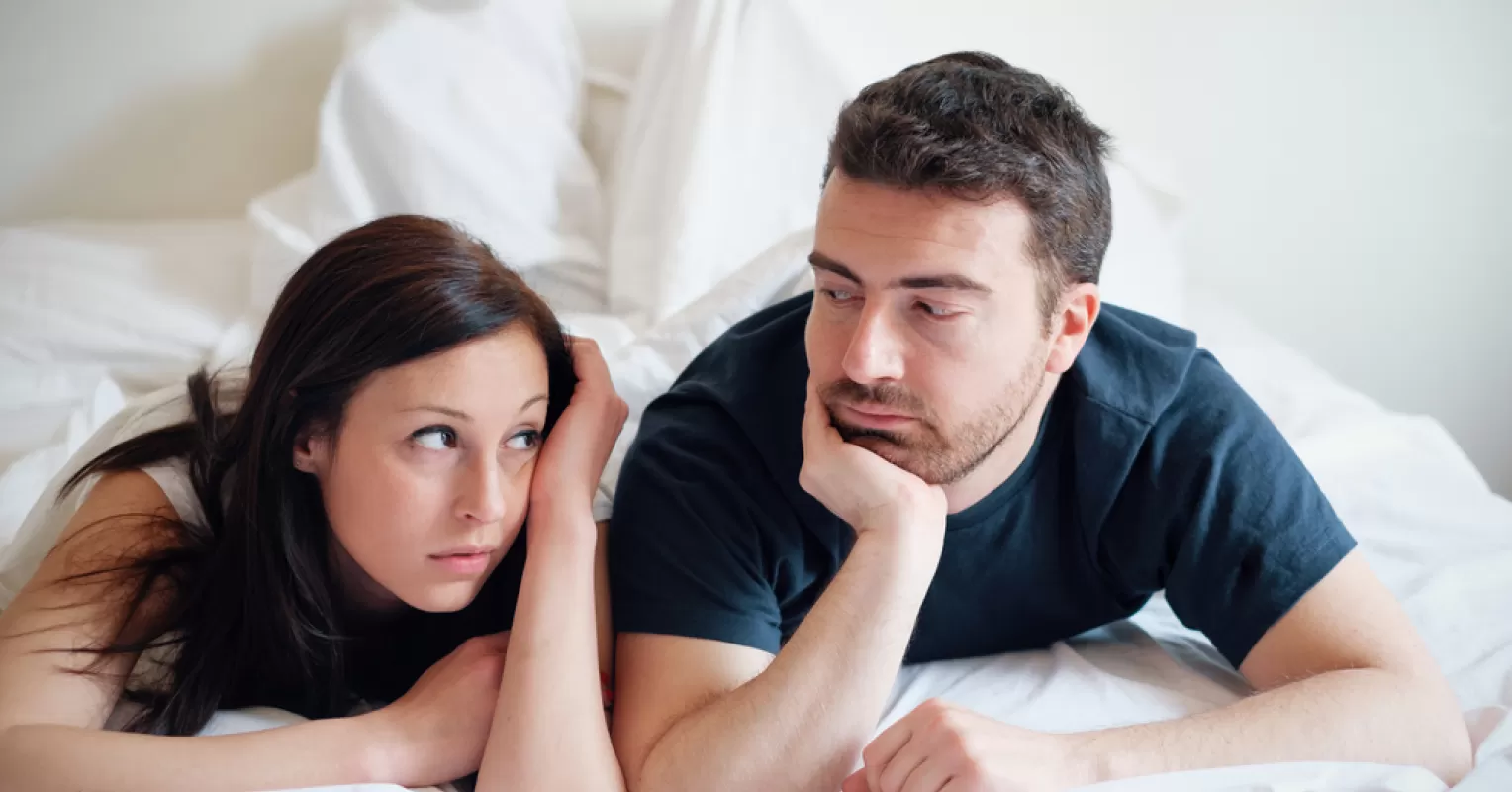
You’re not alone in wondering, ‘Do most couples regret their decision to marry over time?’ Many who embark on this journey often grapple with disillusionment after the initial joy fades. Perhaps you’ve sensed that something isn’t quite right in your relationship, even though it seems picture-perfect to others. This article explores the nuances of marital satisfaction and why regrets can arise over time, shedding light on feelings that many experience but seldom discuss.
Understanding Marital Regret
Marital regret often creeps in subtly, beginning as a nagging doubt or a fleeting feeling of dissatisfaction. Research indicates a significant number of individuals notice a decline in their overall satisfaction shortly after the wedding. This drop can stem from unmet expectations, shifting dynamics, and the weight of daily responsibilities that can overshadow the initial spark of romance.
While some couples genuinely flourish and find joy in their partnership, it’s not uncommon for others to feel increasingly disconnected. This disconnect can lead to pondering whether the choice to marry was the right one, pushing couples into silence about their feelings, as societal norms often celebrate the notion of ‘happily ever after.’

A closely related pattern appears in how does my relationship with time impact my emotional availability, which adds more context to this behavior.
Why Do People Regret Getting Married?
Marriage, often sold as the pinnacle of romantic achievement, can bring unexpected changes. The transition from dating to marriage alters responsibilities, intimacy levels, and personal freedoms. Many individuals find themselves longing for the carefree days of being single, leading to a sense of loss and regret over the seemingly idealized version of marriage they once envisioned.
Conflict may also play a role. Once blissful partners can find themselves at odds with one another, battling over day-to-day matters that previously went unexamined in the more casual dating phase. This shift can create deeper dissatisfaction, making individuals question their initial commitment.

A closely related pattern appears in why do I feel resentment in my relationship over values, which adds more context to this behavior.
Different Meanings Behind Regret
Regret in marriage can manifest differently depending on the individual’s context. For some, it might be about the relationship itself—feeling trapped or unfulfilled. For others, regret may stem from broader life choices that surfaced post-marriage. They might question if they sacrificed too much of their personal identity for the partnership.
Additionally, the emotions tied to regret can fluctuate throughout the relationship. For instance, partners might experience peaks of happiness during certain life events, only to return to feelings of dissatisfaction afterward. Understanding this variability is crucial—it helps to recognize that feelings of regret are not static but are influenced by various life changes and challenges.

A closely related pattern appears in why do I prefer my AI companion over real relationships, which adds more context to this behavior.
What Not to Assume About Regret
It’s essential not to generalize regret as a universal truth for all married couples. Each relationship is unique, and many factors influence satisfaction levels. Just because some couples express regret doesn’t mean every marriage is destined for the same outcome. Context matters immensely; differences in communication, support systems, and prior experiences can shape how couples navigate their relationships.
Also, assumptions based solely on social narratives, such as the pervasive ‘happily ever after’ trope, can pressure individuals to maintain appearances. It’s worth noting that openly discussing feelings and seeking support can help mitigate feelings of isolation for those who regret their marriage choice.
A closely related pattern appears in why do we underestimate the importance of quality time in relationships, which adds more context to this behavior.
Navigating Your Feelings of Regret
If you find yourself wrestling with regret about your marriage, consider taking a step back to reassess your feelings. Reflect on what initially drew you to your partner and what has changed since then. Open communication with your spouse can also foster a deeper understanding and build a path toward rekindling your relationship.
Seeking support, whether through marital counseling or talking to trusted friends, can also provide clarity. It’s healthy to acknowledge your feelings and work toward finding solutions that can either renew your commitment or help you gain perspective on your marriage.
A closely related pattern appears in how can we find quality time in a busy relationship, which adds more context to this behavior.
Frequently asked questions
What are common signs that someone regrets their marriage?
Common signs include emotional distance, frequent arguments, or longing for personal freedom. Couples often may also feel unfulfilled or struggle with intimacy.
Can couples overcome feelings of regret?
Yes, many couples can navigate feelings of regret through open communication, seeking therapy, and actively working to rekindle their connection.
Learn more:
About Us |
Editorial Policy |
Content Quality Standards |
Disclaimer