
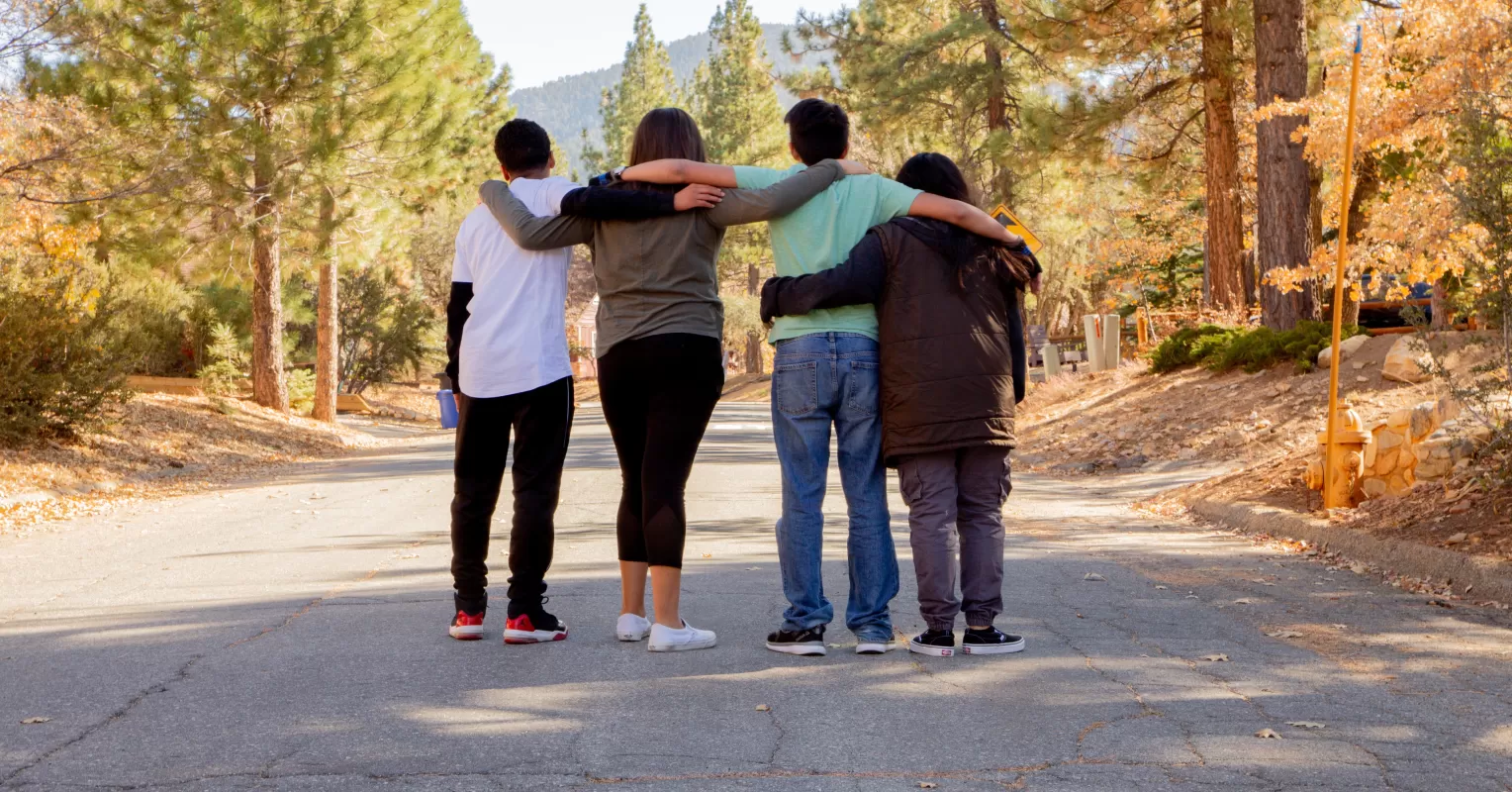
Have you noticed your teenager struggling to connect with their friends or peers? You’re not alone. Many parents wonder how to teach empathy to teenagers, especially when they seem more focused on themselves than on others. This is a critical time for emotional development, and understanding how to foster empathy can make a significant difference in their relationships.
Understanding Empathy in Teenagers
Empathy is more than just a buzzword; it’s the ability to understand and share the feelings of others. For teenagers, this skill is crucial as they navigate complex social dynamics. During adolescence, their brains are developing rapidly, and this is a key period for emotional growth. Teens often experience intense emotions and may struggle with understanding how others feel, which can lead to misunderstandings and conflicts.
Research indicates that empathy can be cultivated, especially in a supportive environment. This means that teaching empathy isn’t just about telling teens to be kind; it’s about creating opportunities for them to practice understanding others’ emotions.

A closely related pattern appears in how to teach responsibility to teenagers, which adds more context to this behavior.
Why Empathy Matters
Empathy plays a vital role in reducing aggressive behavior, bullying, and prejudice among teenagers. When teens learn to empathize, they are more likely to form healthy relationships, communicate effectively, and support their friends. This not only benefits their social circles but also prepares them for adult relationships, where empathy is essential.
Moreover, fostering empathy can lead to a more compassionate society. When teenagers understand and care about the feelings of others, they are more likely to contribute positively to their communities. This ripple effect can create a culture of kindness that extends beyond their immediate social circles.
A closely related pattern appears in how to practice empathy in everyday life, which adds more context to this behavior.
Creating a Supportive Environment
One of the most effective ways to teach empathy is by modeling it yourself. When teens observe empathetic behavior in adults, they are more likely to imitate it. Engage in conversations about feelings, share your own experiences, and encourage them to express their emotions. This creates a safe space where they can learn to navigate their own feelings and those of others.
Additionally, family dynamics play a crucial role in developing empathy. Secure family relationships provide a foundation for teens to feel safe and understood. Encourage open communication at home, where everyone feels valued and heard. This not only helps in building empathy but also strengthens family bonds.

Encouraging Empathy Through Activities
Incorporating activities that promote empathy can be a fun and effective way to teach this skill. Consider volunteering together as a family or participating in community service projects. These experiences expose teens to different perspectives and help them understand the challenges others face.
Role-playing scenarios can also be beneficial. By stepping into someone else’s shoes, teens can practice responding to various emotional situations. This not only enhances their empathetic skills but also builds their confidence in handling real-life interactions.
What Not to Assume
It’s important to remember that empathy is a skill that develops over time. Some teenagers may naturally be more empathetic than others, but that doesn’t mean those who struggle are incapable of learning. Avoid labeling them as ‘selfish’ or ‘uncaring.’ Instead, focus on encouraging growth and understanding.
Additionally, not all teenagers will express empathy in the same way. Some may be more verbal, while others might show it through actions. Recognizing these differences can help you tailor your approach and foster a more inclusive environment for emotional growth.
Frequently asked questions
How can I tell if my teenager is developing empathy?
Look for signs such as their ability to listen and respond to others’ feelings, their willingness to help friends in need, and their understanding of social cues. Engaging in discussions about emotions can also provide insight into their empathetic development.
What activities can help teach empathy to teenagers?
Consider volunteering, participating in team sports, or engaging in role-playing games that require them to consider different perspectives. These activities create opportunities for them to practice empathy in real-world situations.
Learn more:
About Us |
Editorial Policy |
Content Quality Standards |
Disclaimer