
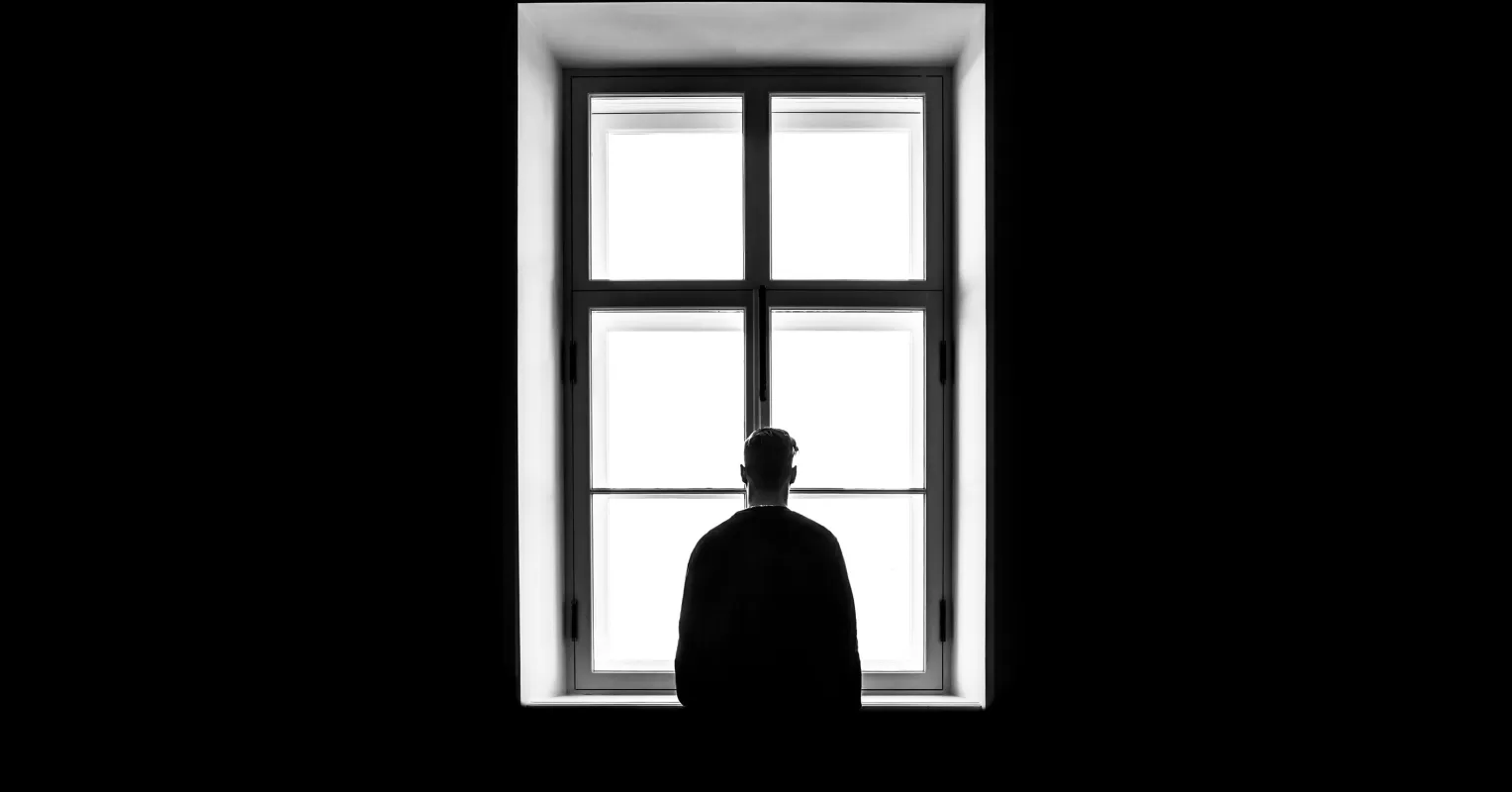
You might feel surrounded by people, yet loneliness still creeps in, leaving you wondering how it could genuinely harm your health. The stark reality is that loneliness isn’t just an emotional burden; it can have profound physical repercussions too. For many, this realization can be unsettling—how can something so intangible manifest in tangible health issues?
Understanding the Link Between Loneliness and Health
Loneliness isn’t merely about feeling sad or isolated; it’s an emotion that triggers a series of biological responses in your body. When chronically lonely, your body can enter a state of stress, which may lead to increased inflammation and weakened immune function. Research suggests that these responses can lead to chronic health problems, including cardiovascular disease and heightened susceptibility to illness.
In essence, feeling disconnected from others can put your physical health at serious risk, making it critical to understand how this emotional state links to overall well-being.

A closely related pattern appears in how does social media affect loneliness, which adds more context to this behavior.
Why Loneliness May Affect You More Than You Think
Several factors can contribute to feelings of loneliness. Modern technology can paradoxically draw people apart rather than bring them together. Many of us face busy lives, where work and obligations take precedence over meaningful interactions. The rise of social media, while intended to connect us, has often left individuals feeling more isolated as online connections lack the depth of face-to-face relationships.
Moreover, societal factors such as political polarization and social stigmas can discourage open conversations, making loneliness a silent epidemic that creeps into everyday life.

A closely related pattern appears in what does it mean when I feel drained after socializing but lonely when alone, which adds more context to this behavior.
The Personal Meaning of Loneliness
Loneliness can manifest differently for everyone, and its meaning can vary based on personal experiences. For some, it may result from a recent move or transitions in life, feeling detached from a community or family. For others, it may stem from not having deep or supportive relationships to rely on during tough times.
Understanding what loneliness means to you personally can begin to unravel the reasons behind these feelings and highlight what might need changing in your life.

A closely related pattern appears in what are the signs that my pet can sense my emotions, which adds more context to this behavior.
What Not to Assume About Loneliness
It’s easy to assume that loneliness only strikes individuals who are physically alone. However, many people report feeling lonely even in the presence of others. This misconception can prevent important conversations about emotional well-being and reinforce the isolation that those struggling may feel.
It’s crucial to recognize that loneliness is often an internal experience unrelated to external circumstances. Before making quick judgments about someone’s social life, understanding their emotional landscape is vital.
A closely related pattern appears in how to tell if someone feels left out in a group, which adds more context to this behavior.
How to Combat Loneliness for Better Health
Addressing loneliness starts with connection. Engaging in community activities, reaching out to old friends, or simply making time for a coffee with someone can be steps towards healing. The key lies in prioritizing quality over quantity in relationships: establishing even a few strong connections can significantly bolster your emotional and physical health.
Moreover, technology isn’t always the enemy. Utilizing video calls or social media mindfully can also help alleviate feelings of isolation—especially if such tools are used to foster deeper relationships rather than superficial ones.
A closely related pattern appears in what does it mean if I’m always on the fringes of social groups, which adds more context to this behavior.
Frequently asked questions
Can loneliness really impact my physical health?
Yes, chronic loneliness is linked to various health issues including heart disease, depression, and a weakened immune system. It can effectively reduce your well-being just as physically damaging habits can.
How can I recognize loneliness in myself?
Signs of loneliness may include feelings of emptiness, disconnection even in social settings, or the sense that nobody truly understands you. Reflecting on your emotional state and how often you feel supported can help identify these feelings.
Learn more:
About Us |
Editorial Policy |
Content Quality Standards |
Disclaimer