
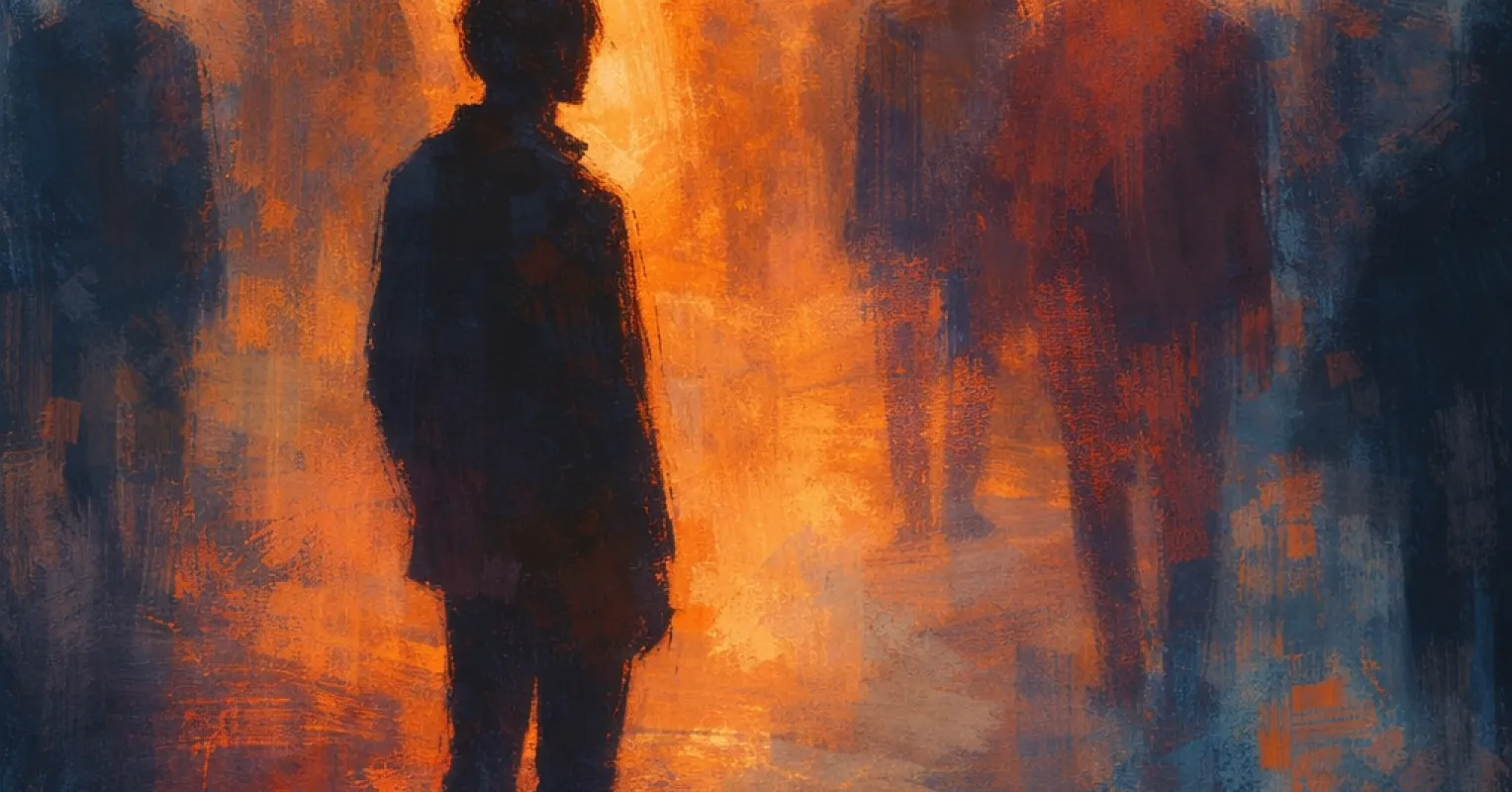
Have you ever felt completely drained after a social gathering, only to find yourself longing for connection in solitude? This poignant contrast hooks into a deeper inquiry about social dynamics: what does it mean when I feel drained after socializing but lonely when alone? You’re not alone in grappling with these conflicting emotions; many find themselves at this crossroads, reflecting a complex interplay of social needs and personal energy levels.
What It Means to Feel Drained After Socializing
Feeling exhausted after socializing yet lonely when you’re alone often points to a complex interplay of social dynamics and personal capacity. After interacting with others, especially in bigger groups, your energy can plummet, making you retreat into solitude to recharge. Yet, once alone, an unsettling loneliness creeps in—highlighting a profound need for connection.
This duality isn’t a sign of weakness; it’s a reflection of your current emotional state and social bandwidth. Each interaction can be a mixed bag of enjoyment and exhaustion, leading to confusion about your true needs.

A closely related pattern appears in what does it mean if I’m always on the fringes of social groups, which adds more context to this behavior.
Why This Pattern May Occur
One possible reason for this ebb and flow is the overexertion of mental resources during social interactions. When in a crowded space, your brain is actively processing numerous stimuli—voices, body language, and social cues—which can be overwhelming. This overstimulation can drain you more rapidly than you might expect.
In many cases, going against your natural need for a breather can result in emotional backlash. Your mind and body crave balance. They often signal a desire for solitude post-socializing, yet that very solitude might highlight a lack of connection, igniting feelings of loneliness.

A closely related pattern appears in what does it mean when my partner holds onto beliefs that hurt our relationship, which adds more context to this behavior.
Context Matters: Different Interpretations
The meaning behind feeling drained and lonely can significantly change depending on your life context. For example, if you’ve recently gone through a transition—like moving to a new city or ending a relationship—these feelings can intensify. The expectations of socialization can feel heavier if you are adjusting to new social circles or sometimes feeling disconnected from familiar faces.
Furthermore, introversion plays a role here; those who identify more as introverts might find social situations exhausting more quickly, while still desiring connections. Conversely, those identifying as extroverts might find themselves in a rut, feeling forced to engage without the usual rush of social interaction.

A closely related pattern appears in is it unhealthy to feel that my worth is tied to what I give others, which adds more context to this behavior.
What Not to Assume Too Quickly
One misconception to avoid is labeling yourself as ‘anti-social’ simply because you feel drained after socializing. Reacting to your energy levels may lead to unintended narratives, such as believing you’ve changed as a person, or thinking of yourself as someone who prefers solitude over connection.
In reality, these feelings of depletion are often temporary and can shift based on external factors. It’s important to recognize that feeling drained does not inherently mean you’re rejecting social interaction—it may just indicate limited capacity in the moment.
A closely related pattern appears in what does it mean when my partner avoids emotional conversations, which adds more context to this behavior.
Finding Balance: How to Navigate the Feelings
Understanding that you can appreciate both social interaction and solitude is crucial. Pay attention to your body’s signals—if socializing leaves you feeling flat, allow yourself to choose solitude until your energy returns. It’s not about rejecting the need for social interaction, but rather recognizing when to step back and recharge.
Establish a personal rhythm that allows for both connection and self-care. Allow these experiences to coexist. Ultimately, navigating this complex emotional landscape means giving yourself the grace to feel and respond organically to what each situation entails.
A closely related pattern appears in what does it mean when my partner avoids discussing their past, which adds more context to this behavior.
Frequently asked questions
Why do I feel mentally drained after socializing?
Feeling drained can occur due to overstimulation during social interactions, where your brain processes various cues that can lead to mental fatigue.
What does ADHD look like in introverts?
In introverts with ADHD, social situations might be particularly draining, as they may struggle with overstimulation and find it hard to keep up with social demands.
Why do I feel more lonely after socializing?
After socializing, the transition to solitude can highlight a lack of connection or energy depletion, making feelings of loneliness more pronounced.
Learn more:
About Us |
Editorial Policy |
Content Quality Standards |
Disclaimer