

Have you ever felt like you’re more of a caregiver than a partner? Many people wonder, “How can I tell if I’m acting like the parent in my relationship?” If you find yourself frequently guiding, advising, or even rescuing your partner, you might be taking on a parenting role. This dynamic can feel natural, but it often masks deeper issues within the relationship.
Identifying Parental Behavior in Relationships
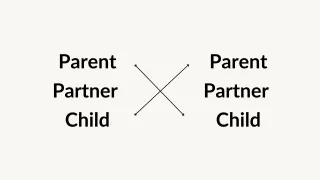
In relationships, it can sometimes seem like one partner adopts a parental role while the other takes on the role of a child. If you often catch yourself making decisions for your partner or feeling the need to protect or fix them, this might be a red flag. This dynamic can emerge naturally, especially in relationships where one partner may be less assertive or independent. But it’s vital to recognize this pattern before it becomes entrenched, leading to imbalance and frustration.
You might notice you’re doing things like planning your partner’s schedule, reminding them to take care of their responsibilities, or even feeling like you have to solve their problems for them. This can create an emotional barrier, where genuine connection is replaced by a hierarchy of care.

A closely related pattern appears in what to do if I feel like I’m in a parent-child relationship, which adds more context to this behavior.
Understanding Why This Dynamic Happens
The reasons behind why someone might take on a parental role can vary. In many cases, past experiences and personal histories shape how partners relate. For instance, if someone grew up in a household where they had to take care of siblings or parents, they might unconsciously carry that dynamic into their romantic relationships.
Additionally, cultural expectations can play a role. Some people feel societal pressure to be the more stable or organized partner, which may lead to taking on responsibilities that aren’t solely theirs. Understanding the roots of this behavior can provide insight into why it feels so familiar.
A closely related pattern appears in why do I feel the need to be perfect like my parents expected me to be, which adds more context to this behavior.
Different Meanings of Parent-Child Dynamics
Not all parental behaviors are inherently harmful. At times, a caring approach can be beneficial, especially in tough situations. However, the key difference lies in mutual respect and equal partnership. When the roles become too rigid, the partnership can lose its essence, turning into a caretaking arrangement rather than an equal relationship.
Recognizing that both partners can shift through these roles fluidly is crucial. The target is to achieve an equilibrium where care and support are exchanged equally, allowing intimacy to flourish, rather than fostering resentment or burnout.

A closely related pattern appears in what does it mean if I repeat my parents’ relationship patterns, which adds more context to this behavior.
What to Watch For and Common Misconceptions
It’s easy to misinterpret certain behaviors as nurturing rather than controlling. Many people may believe that being overly caring is a sign of love when it can actually perpetuate a harmful cycle if left unchecked. Watch for signs that indicate a lack of equality: Are you feeling exhausted from always being ‘on’? Is your partner comfortable with you taking charge, or do they seem resentful?
It’s essential not to jump to conclusions about each other’s motivations. A partner may not be aware that they have been placed in a dependent role. Careful dialogue can help both partners express their feelings without blame, paving the way for a healthier dynamic.
A closely related pattern appears in why do adult children feel guilty about distancing from parents, which adds more context to this behavior.
Steps Towards Fostering an Equal Partnership
To break free from the parent-child dynamic, consider implementing some practical strategies. First, try to shift your language from directives to questions. Instead of saying, ‘You need to do this,’ ask, ‘How do you feel about handling this together?’ This promotes shared responsibility.
Encouraging open communication is essential. Share your thoughts and feelings honestly, inviting your partner to do the same, which can help both of you explore the underlying issues together. Engaging in shared activities that allow both of you to express care without hierarchy can foster greater intimacy.
A closely related pattern appears in why do kids create fantasies about parents getting back together after divorce, which adds more context to this behavior.
Frequently asked questions
Why do I feel like the parent in my relationship?
Feeling like the parent in a relationship often stems from past experiences or cultural expectations that shape how you relate to your partner. It can also be a habit of taking over responsibilities that should be shared, leading to an unequal dynamic.
What is the 65% rule in relationships?
The 65% rule suggests that in a healthy relationship, partners should be contributing roughly the same amount to the relationship, fostering equality. When one partner feels they’re doing significantly more, it can create an imbalance.
What is the 7 7 7 rule for couples?
The 7 7 7 rule is a guideline for couples to spend seven minutes each day talking without distractions, seven hours per week in quality time, and seven days a month on activities together. This helps maintain connection and shared responsibility.
Learn more:
About Us |
Editorial Policy |
Content Quality Standards |
Disclaimer