
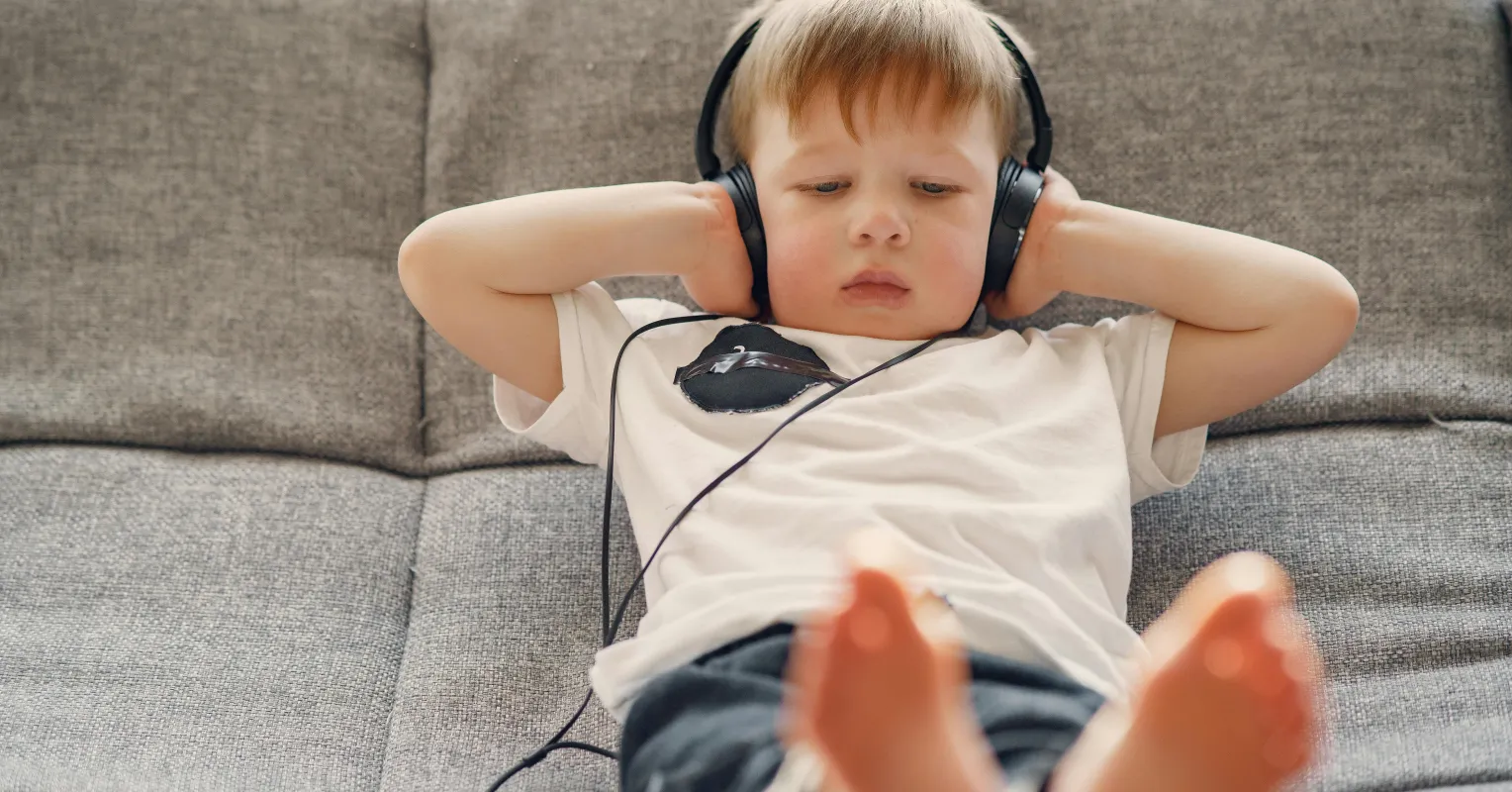
If you’re wondering why kids create fantasies about their parents getting back together after divorce, you’re not alone. This longing often stems from deep emotional needs and a desire for stability in an increasingly uncertain world. For many children, these fantasies serve as a coping mechanism to process their feelings of loss, fear, and confusion.
Understanding the Fantasies
At its core, the fantasy of parents reconciling is a blend of innocence and longing. Children may idealize the idea of a family unit that feels safe and familiar, yearning for a time before the upheaval of divorce. These fantasies can provide a sense of comfort in the chaotic aftermath, creating a mental refuge where everything feels secure and predictable again.
In some cases, children might believe that their love or wishes alone can mend the family. This magical thinking is common in childhood, as young minds often lack the emotional and cognitive tools to fully grasp the complexities of adult relationships.

A closely related pattern appears in why do I feel like I need closure from my unloving parent even now, which adds more context to this behavior.
Why Children Engage in These Fantasies
The breakdown of family life can leave kids feeling helpless and adrift. They often think that if they can manipulate their situations through fantasy, they might be able to change the reality around them. The narrative they create might be an attempt to reclaim the power they feel they’ve lost during the divorce.
Additionally, kids often experience anxiety during such transitions. These fantasies may serve as a coping strategy to mitigate their fears about their parents’ changing relationship dynamics and the implications for their own lives.
A closely related pattern appears in what do I do if my grandchildren don’t want to see me anymore, which adds more context to this behavior.
Different Meanings Depending on Context
The reasons behind these fantasies can vary greatly depending on the child’s age, personality, and family dynamics. For younger children, the fantasy may represent a desire for security and love, while older children might engage in these thoughts to navigate complex feelings of blame or guilt around the divorce.
Moreover, cultural backgrounds can influence how children perceive divorce and family roles. In some cultures, maintaining familial bonds is heavily emphasized, leading children to yearn even more for reunification in their fantasies.

A closely related pattern appears in why am I afraid to be vulnerable with my partner, which adds more context to this behavior.
Avoiding Misinterpretations
It’s crucial not to assume that these fantasies signify denial or instability in a child. Many kids may simply express their desire to believe in a happy ending, which is a natural part of navigating their life experiences. Instead of dismissing these thoughts, engaging in open conversations can help parents understand their child’s emotional landscape.
Sometimes, these fantasies indicate that children are not fully processing their feelings. Providing a space for them to explore their thoughts openly can be a beneficial step in helping them cope with their parents’ divorce.
A closely related pattern appears in what does it mean when I feel stuck in pursuing my childhood dreams, which adds more context to this behavior.
How Parents Can Support Their Children
Parents can play a crucial role in reframing these fantasies into a constructive dialogue. Encouraging kids to express their feelings and fears can help normalize their thoughts and encourage healthy emotional processing. This dialogue can transform a wishful fantasy into a conversation about what family means moving forward.
Furthermore, acknowledging their feelings and reassuring them that it’s normal to feel a mixture of emotions during this time can provide stability. Parents can also help by discussing the reality of the situation in an age-appropriate way, helping children understand that even though things are changing, love remains constant.
A closely related pattern appears in how to navigate emotional distance after parenthood, which adds more context to this behavior.
Frequently asked questions
At what age does divorce hit kids the hardest?
Research often suggests that children tend to be most affected by divorce between the ages of 6 and 12, as they are beginning to understand complex family dynamics but still seek a sense of stability.
Why do kids want their parents to get back together?
Children may want their parents to reunite as a way to regain the sense of safety and normalcy they felt before the divorce, often influenced by their innate desire for family unity.
What is the 7 7 7 rule for parents?
The 7 7 7 rule generally refers to a co-parenting approach where parents spend seven days at one residence and seven at another. This structure aims to provide stability and continuity for children during a transition.
Learn more:
About Us |
Editorial Policy |
Content Quality Standards |
Disclaimer