
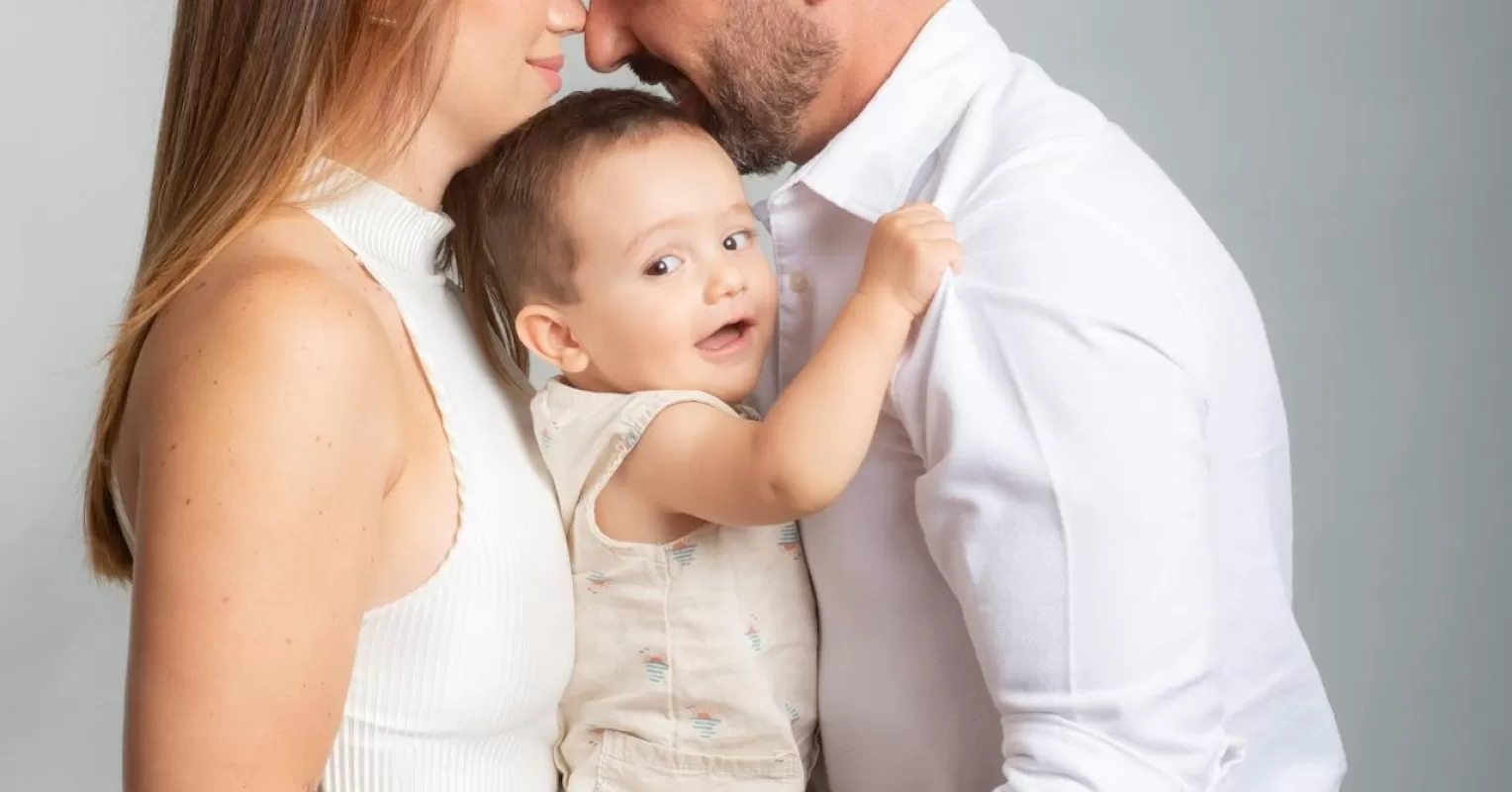
If you’ve recently become parents and noticed a strange disconnect in your relationship, you’re not alone. Many couples experience signs of emotional distance after becoming parents, often without realizing it until the gap feels significant. Understanding these signs can help you navigate through this confusing phase and reconnect.
Recognizing the Signs of Emotional Distance
Emotional distance in a relationship can manifest in various ways, especially after the introduction of a baby. You might find that conversations have dwindled, shared laughter has turned into silence, and physical affection feels less spontaneous. Often, partners may not openly discuss these shifts, leading to unspoken tension and confusion.
One of the first signs is a general decrease in emotional intimacy — perhaps you or your partner feel more like roommates than lovers. This might be accompanied by heightened irritability or frustration, which can stem from the stress of parenthood. If you find that small disagreements now feel monumental, this emotional withdrawal can be a significant indicator of deeper issues.

A closely related pattern appears in how to navigate emotional distance after parenthood, which adds more context to this behavior.
Why Emotional Distance Happens After Parenthood
Becoming a parent is a profound life change, and it brings about a whirlwind of new responsibilities and challenges. Along with the joy of welcoming a new child comes an overwhelming sense of exhaustion and the need to readjust priorities. Often, couples find their traditional roles and routines disrupted, leading to feelings of inadequacy and isolation.
Moreover, the sheer fatigue from sleepless nights and round-the-clock childcare can sap emotional energy. In many cases, partners may not communicate their feelings or needs effectively, which can lead to misunderstandings. This silence can cause one or both partners to withdraw, interpreting silence as disinterest or lack of support.

A closely related pattern appears in why do kids create fantasies about parents getting back together after divorce, which adds more context to this behavior.
Different Meanings Depending on Context
Interpreting emotional distance after becoming parents can vary widely depending on personal and relational context. For instance, one partner may experience this distance as a sign of decreased love, while the other might view it as a temporary phase. It’s important to recognize that your emotional responses might be influenced by different expectations of parenthood, individual stressors, or unresolved issues from before having children.
Additionally, factors like family dynamics, support systems, or past relationship patterns can amplify feelings of disconnection. It’s essential to consider these aspects when assessing the emotional landscape of your relationship after becoming parents.

A closely related pattern appears in what signs indicate a twin is feeling distant from their co-twin, which adds more context to this behavior.
What Not to Assume Too Quickly
Before jumping to conclusions about your partner’s feelings or intentions, take a step back. Emotional distance does not always equate to a lack of love or commitment. It’s easy to misinterpret your partner’s withdrawal as apathy, but it may stem from their own coping strategies or feelings of being overwhelmed.
It’s crucial to avoid assuming that your partner’s silence means they are unhappy. They could be processing their emotions in their own way or feeling uncertain about expressing their vulnerabilities. Keep in mind that assumptions can lead to further disconnect, so maintain open lines of communication to clarify feelings.
A closely related pattern appears in why is my partner distant after we have sex, which adds more context to this behavior.
Steps to Reconnect and Understand Each Other Better
Fostering connection after emotional distance begins with recognition and communication. Transparency about your feelings is vital. Consider setting aside regular time for discussions, where both partners can express their emotions and needs without interruption. This can help bridge the gap and restore intimacy.
Additionally, small acts of kindness and shared parenting experiences, like fun outings or simply enjoying moments with your child as a team, can create positive interaction. Engaging in active-constructive responding to each other’s joys and concerns can also enrich your relational fabric, promoting a sense of partnership rather than division.
A closely related pattern appears in what does it mean if my sibling feels distant even though we were close, which adds more context to this behavior.
Frequently asked questions
What are the symptoms of emotional detachment?
Symptoms of emotional detachment may include avoidance of intimacy, lack of emotional engagement, feeling disconnected from your partner, and a general decline in shared activities. Recognizing these signs can be crucial for addressing underlying issues.
Why do marriages struggle after a baby?
Marriages often struggle after a baby due to increased stress, shifts in priorities, and the exhaustion of parenting. These factors can lead to emotional distance if couples don’t actively work to maintain intimacy and communication.
How can we fix emotional unavailability?
Fixing emotional unavailability often requires open dialogue about feelings, establishing emotional connection through shared experiences, and possibly seeking professional help to navigate deeper issues. Consistent communication and understanding each other’s emotional needs are key.
Learn more:
About Us |
Editorial Policy |
Content Quality Standards |
Disclaimer