
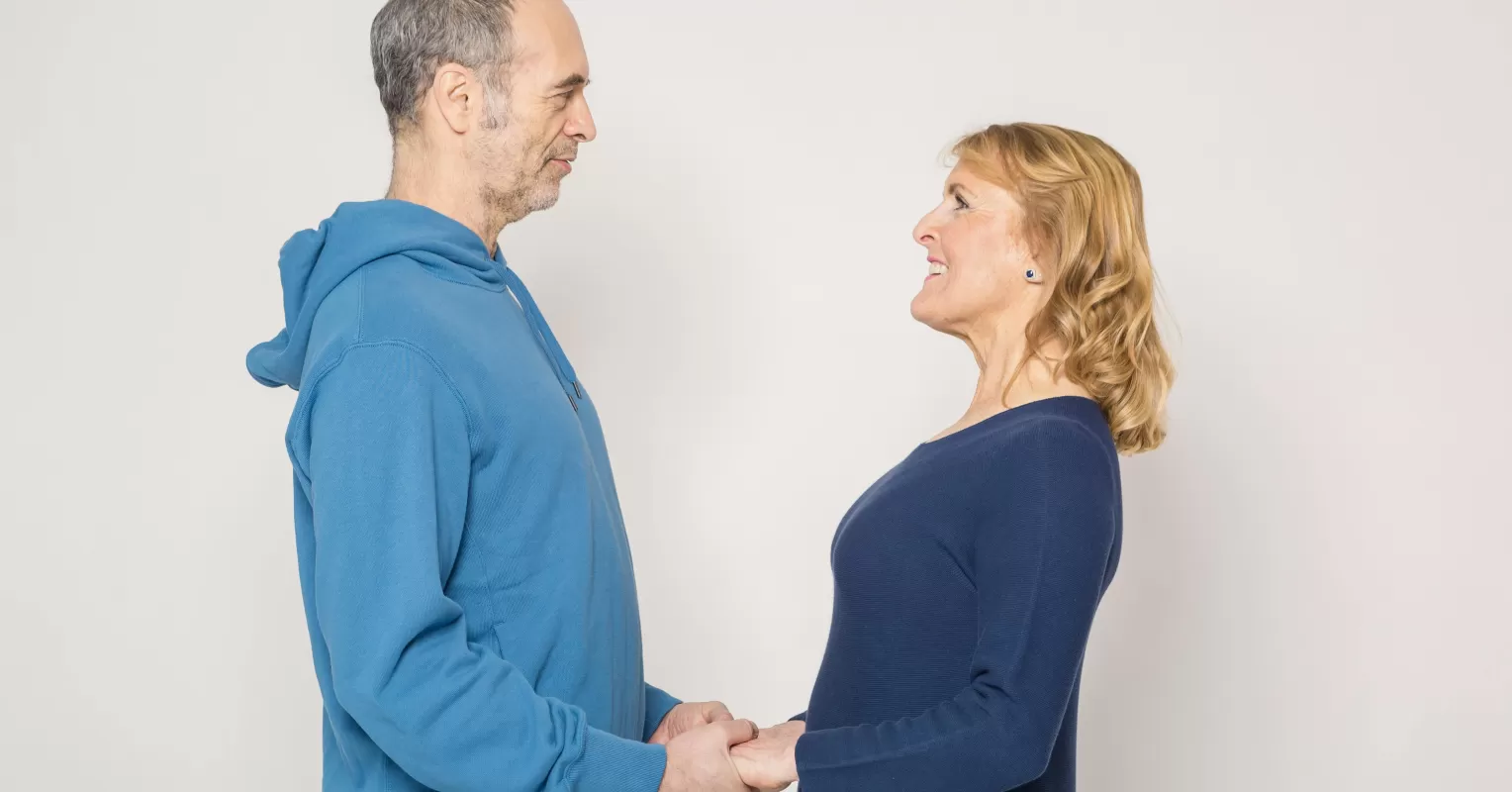
If you’ve noticed your partner pulling away after an argument, you’re not alone. This behavior can feel disheartening and confusing, leaving you questioning not only their feelings but also the status of your relationship. Understanding why this happens may shed light on the emotional dynamics at play, allowing for deeper connection and healing.
Understanding Withdrawal in Relationships
When a partner seems to withdraw after a disagreement, it often manifests as silence, avoidance, or emotional distancing. This behavior can be perplexing, especially when it feels like an overreaction to a disagreement. Withdrawal is frequently not about the argument itself but more about how individuals handle conflict and their emotional responses.
For some, this might be a coping mechanism to manage overwhelming feelings or even fear of confrontation. In many cases, it can be their way of processing emotions, seeking solitude to regain balance before re-engaging.

A closely related pattern appears in why do I feel my partner is distant after a fight, which adds more context to this behavior.
Why Your Partner Might Withdraw
One reason behind this withdrawal could be the differing styles of conflict resolution. Some people are naturally more confrontational, while others prefer to retreat and mull things over. This isn’t a reflection of their love or commitment. Rather, it indicates varying emotional processing styles, which can create tension during disagreements.
Fear also plays a significant role; your partner may withdraw to avoid further conflict, feeling inadequately equipped to handle the emotional weight of the situation. This fear can lead to a cycle where unresolved issues simmer beneath the surface, further complicating your connection.

A closely related pattern appears in why does my partner seem cold and unresponsive after we argue, which adds more context to this behavior.
Different Contexts of Withdrawal
Withdrawal can mean different things depending on the context. In some relationship dynamics, it may indicate a temporary need for space; in others, it might signal deeper issues like resentment or fear. It’s vital to assess the broader context of your relationship and past interactions to understand whether this behavior is a habitual response or linked to specific issues.
Additionally, cultural background can influence how individuals express their feelings in conflicts. Some cultures value emotional restraint and avoidance, while others promote open discussions, adding another layer of complexity to how partners react to fights.

A closely related pattern appears in what does it indicate when my partner is emotionally distant after a fight, which adds more context to this behavior.
What Not to Assume
It’s crucial not to jump to conclusions about your partner’s intentions when they withdraw. Assuming they don’t care or that they’re intentionally trying to hurt you can lead to misunderstandings. Instead, acknowledging that their withdrawal might spring from a place of processing their own feelings can cultivate empathy.
Avoid labeling their actions negatively or thinking about them through the lens of personal blame. Context matters, and recognizing differing emotional responses can pave the way for constructive dialogues in the future.
A closely related pattern appears in what does it mean when your partner seems distant after a fight, which adds more context to this behavior.
Fostering Reconnection After Withdrawal
To reconnect after your partner has withdrawn, consider giving them the space they need but also creating opportunities for gentle reconnection. Allow time for emotions to settle before suggesting a conversation. When you do talk, approach the subject with curiosity rather than accusation, forming a space where both partners feel safe to express their feelings.
Encouraging open discussions about conflict styles can help you both understand each other better and build a more resilient relationship. This emphasis on emotional intelligence and communication can transform the way you navigate future disagreements.
A closely related pattern appears in why does my partner seem emotionally distant after we have been close, which adds more context to this behavior.
Frequently asked questions
Why do men withdraw after an argument?
Men may withdraw after an argument due to social conditioning that encourages emotional restraint, often desiring to avoid immediate conflict. This behavior can provide them space to process their feelings more privately before re-engaging.
Is it normal to feel disconnected from your partner after a fight?
Yes, feeling disconnected after a fight is common. It often arises from unresolved emotions and differing conflict resolution styles, suggesting the need for better communication and understanding between partners.
How to make him miss you after a fight?
Creating a bit of space while demonstrating emotional maturity and understanding can help your partner reflect on the argument and potentially realize what they miss about the connection. It may also encourage them to re-engage thoughtfully.
Learn more:
About Us |
Editorial Policy |
Content Quality Standards |
Disclaimer