
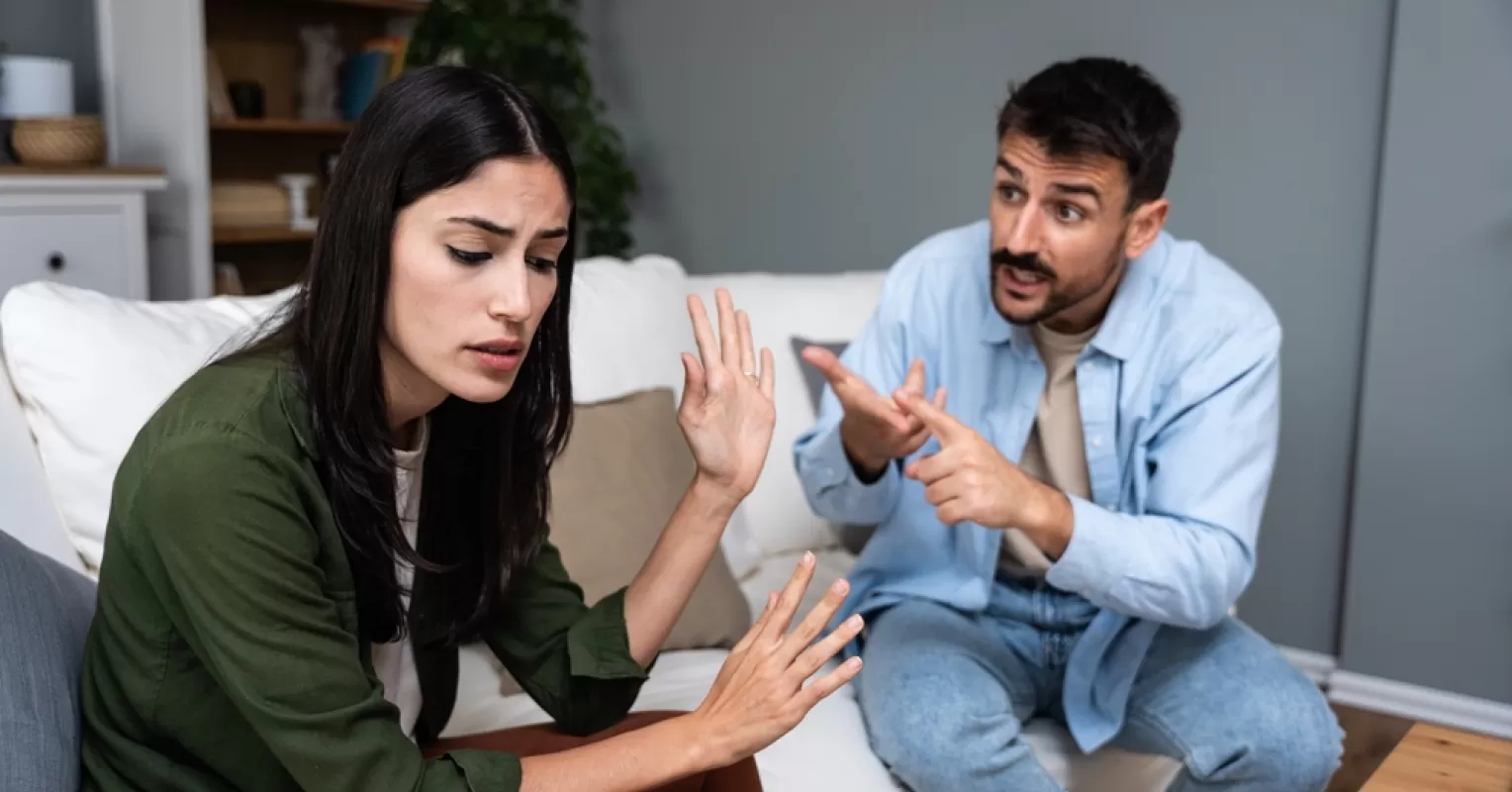
Have you noticed your partner becoming distant and unresponsive after an argument? This behavior can feel deeply unsettling, especially when the love between you still exists. It may leave you wondering if something more significant is at play, or if your partner’s feelings have changed. Understanding the emotional triggers behind this coldness can illuminate what’s happening beneath the surface and may help you navigate those tricky post-argument waters.
Understanding the Coldness
When your partner appears cold and unresponsive after an argument, it often signals emotional withdrawal. This isn’t necessarily about a lack of feelings for you; rather, it can indicate a coping mechanism in response to conflict. Many people have sprint responses to stress, retreating inward to protect themselves, especially after heated discussions. Whether it’s silence, avoidance, or an air of coldness, these responses can feel dismissive or hurtful.
You might find that their withdrawal leaves you feeling alone and confused, wondering what’s gone wrong. Recognizing this pattern is the first step toward addressing it head-on.

A closely related pattern appears in why do I feel my partner is distant after a fight, which adds more context to this behavior.
Why This Happens: The Role of Emotional Triggers
The reasons your partner seems distant after a fight can vary widely. One primary factor may be ‘flooding’—an emotional response that overwhelms individuals during confrontation. In such moments, rational thoughts can slip away, replaced by feelings of hurt or defensiveness. When this occurs, your partner might not know how to reconnect, thus choosing to shut down instead.
Additionally, some individuals are more sensitive to conflict than others. If your partner has a history of emotional trauma or anxiety, small disagreements might trigger larger anxieties about the relationship, causing them to react with coldness.
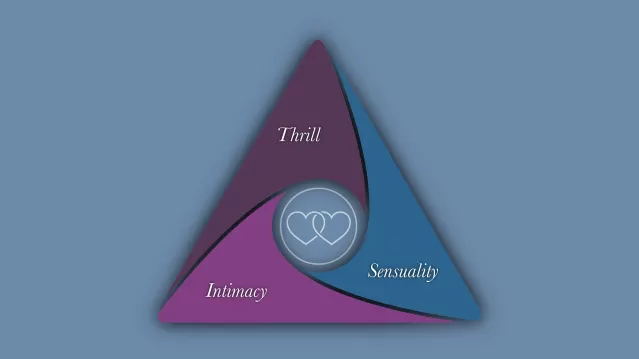
A closely related pattern appears in why do I feel distant from my partner after an argument, which adds more context to this behavior.
Context Matters: Individual Differences in Conflict Response
Everyone processes conflict differently due to personal backgrounds, attachment styles, and emotional intelligence. For instance, those with avoidant attachment styles might withdraw to regain control after conflict. Others might feel guilty about their role in the argument and retreat out of shame.
Understanding these nuances can help you interpret your partner’s behavior more accurately and recognize that their reaction may not be a reflexive judgment of you or your relationship.

A closely related pattern appears in why does my partner seem emotionally distant after we have been close, which adds more context to this behavior.
Common Misinterpretations: What Not to Assume
It’s easy to jump to conclusions when faced with your partner’s silence. You might think they no longer love you or that they want to end the relationship. However, these assumptions can exacerbate tensions and hurt feelings. Instead of assuming the worst, it’s crucial to engage in open communication, even if it feels uncomfortable.
Ask them gently about their feelings and try to understand their perspective in the aftermath of conflict. This approach can pave the way for healthier discussion and deeper intimacy.
A closely related pattern appears in why does my partner seem more distant during the holidays, which adds more context to this behavior.
Navigating Post-Argument Dynamics: Practical Steps Forward
When your partner seems cold after a disagreement, focus on creating an environment for reconnection. One helpful practice is to engage in a ‘do-over’ after the argument—acknowledge the emotions involved and express your desire to talk about it in a calmer moment. This technique can help both of you feel heard and valued, allowing for a more constructive dialogue.
Additionally, be mindful of your tone and body language in subsequent conversations. Approaching your partner with vulnerability and understanding can shift the dynamic from coldness to warmth.
A closely related pattern appears in why does my partner seem distant when I express my feelings, which adds more context to this behavior.
Frequently asked questions
Why is he distant after an argument?
Distant behavior often arises from emotional overload or a need to process feelings independently. Your partner may need space to regain composure, which is not necessarily a reflection of their love or commitment.
What are the three signs a relationship won’t last?
Signs may include constant withdrawal after conflicts, lack of effective communication, and recurring patterns of unresolved arguments. These signals can indicate deeper issues that may need addressing.
What to do when a man goes silent after an argument?
Instead of responding with frustration, try to reestablish communication gently. Acknowledge his feelings and suggest a time to discuss the matter calmly. This approach can foster reconnection.
Learn more:
About Us |
Editorial Policy |
Content Quality Standards |
Disclaimer