

If you’ve noticed your child feeling jealous of their friends, you’re not alone. This emotional struggle can manifest in surprising ways, often leaving both parents and children confused. Understanding these feelings is vital for helping them navigate their relationships and emotional landscape.
Understanding Child Jealousy
Jealousy in children, especially regarding friends, is common and can stem from various underlying feelings. A child might feel left out or inadequate when comparing themselves to their peers, particularly if they notice friends having experiences or items that they lack. This emotional reaction may also be influenced by their understanding of social dynamics, which are still developing.
It’s important to recognize that jealousy itself isn’t an inherently ‘bad’ emotion; it can serve as a signal that something deeper is troubling your child. Instead of dismissing these feelings as mere childish behavior, addressing them can help foster resilience and emotional intelligence.

A closely related pattern appears in why do I feel jealous when my partner talks to friends, which adds more context to this behavior.
Why Jealousy Occurs in Childhood
Several factors can contribute to a child’s feelings of jealousy. One significant trigger can be the perception of unequal treatment among their friends. If a child feels that another friend is getting more attention or love from a shared adult, they may start to question their own value in that friendship.
Additionally, children often lack the emotional vocabulary to articulate their feelings. They may misinterpret admiration or affection as a threat, catalyzing feelings of insecurity. This is particularly common in environments where social comparison is prevalent, such as schools.
A closely related pattern appears in what does it mean when I trust AI more than my friends, which adds more context to this behavior.
Different Contexts of Jealousy
The context in which jealousy arises can greatly affect its nature. For instance, jealousy may be more pronounced during transitions, like starting a new school or when a close friend begins spending time with others. These life changes can lead to feelings of displacement, prompting a child to act out through jealousy.
Furthermore, jealousy may look different between children. Some might become withdrawn, while others might express their feelings more vocally. Understanding that these reactions can vary is crucial for parents wanting to respond sensitively.

A closely related pattern appears in why do I feel lonely after my mom’s death even when surrounded by friends, which adds more context to this behavior.
What Not to Assume About Your Child’s Jealousy
It can be tempting to assume that jealousy directly correlates with a lack of self-esteem. While it’s one possibility, it’s essential not to jump to conclusions. Children might exhibit jealousy for many reasons that don’t necessarily point to internal inadequacies; it could simply reflect their current emotional needs or a momentary fear of exclusion.
Therefore, asking open-ended questions instead of making assumptions can help. Encourage your child to express their feelings without judgment, which can promote healthier emotional development.
A closely related pattern appears in why do I feel jealous of my partner’s AI relationship, which adds more context to this behavior.
Helping Your Child Navigate Jealousy
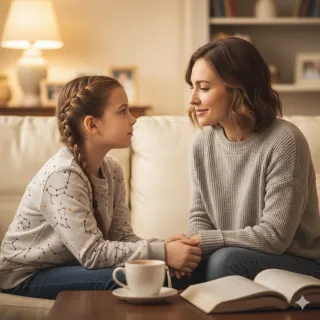
Supporting your child through their jealous feelings requires patience and understanding. Start by validating their feelings; letting them know it’s okay to feel this way can reduce the shame often associated with jealousy. Discussing these emotions openly can aid in building their emotional vocabulary.
Furthermore, modeling empathy and understanding can serve as a powerful lesson. By demonstrating how you handle your own feelings of jealousy in a healthy way, you provide practical tools your child can use. Encouraging them to celebrate their friends’ successes can also foster a more generous mindset.
A closely related pattern appears in why do I feel insecure when my partner spends time with friends, which adds more context to this behavior.
Frequently asked questions
What is the 7 7 7 rule of parenting?
The 7 7 7 rule suggests that for every seven positive interactions with your child, it takes seven more to recover from a negative one. Maintaining this balance can help build trust and emotional security.
Is jealousy a symptom of autism?
While jealousy can occur in children with autism, it is not a definitive symptom. Each child is unique, and their emotional responses can vary widely.
How to stop a child from feeling jealous?
Help your child develop coping strategies by teaching them emotional expression and reflection. Encouraging discussions about their feelings can also minimize jealousy over time.
Learn more:
About Us |
Editorial Policy |
Content Quality Standards |
Disclaimer