
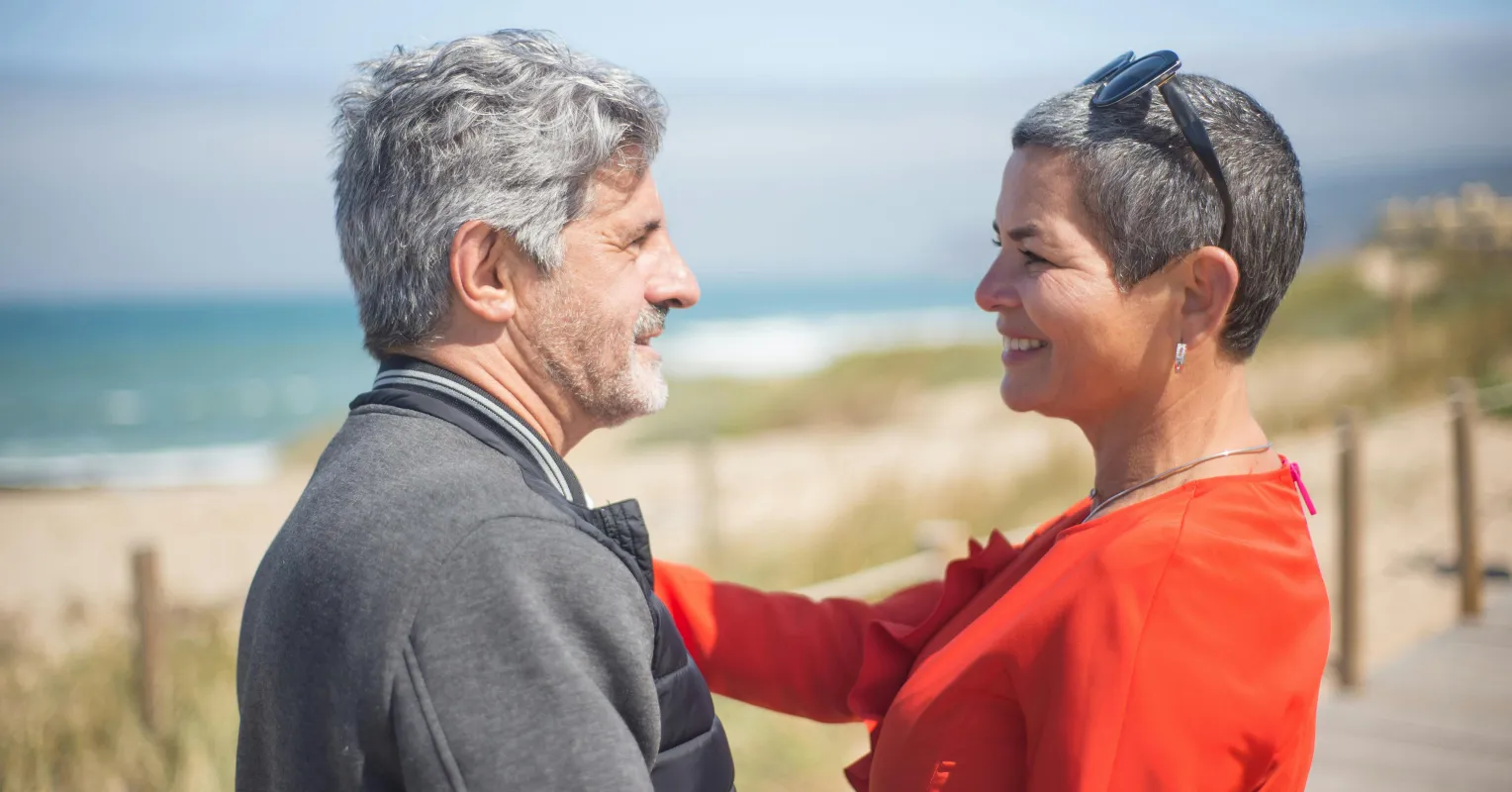
As we navigate the complex journey of life, many people find themselves pondering, “Why do I feel like my relationship needs to change as I grow older?” This feeling is more common than you might think. A natural ebb and flow occurs in our relationships as we age, often stemming from shifts in our identities, priorities, and desires. Even if everything appears stable on the surface, deep emotional currents may signal that your partnership requires evolution to stay aligned with who you are becoming.
Understanding the Urge for Change
Feeling like your relationship needs to change as you grow older often comes from a place of introspection. As we age, our identities, priorities, and desires can shift dramatically. What once felt meaningful may no longer resonate, leading to a sense that your partnership is no longer aligned with your evolving self.
It’s common to want a deeper connection or different experiences with your partner, and these desires can create tension. Acknowledging this urge as a natural part of life can be the first step towards understanding how it impacts your relationship.

A closely related pattern appears in why do I struggle to express my needs without feeling like I’m being demanding, which adds more context to this behavior.
Why This Change Occurs
As life progresses, we inevitably face transitions—career changes, family dynamics, or personal growth milestones. These changes can lead to a re-evaluation of our relationships and the roles within them. For many, this self-reflection reveals a desire for personal growth that may contradict the stability of existing commitments.
In many cases, these feelings stem from a fundamental need for change, not just in oneself but in the dynamics of the relationship. It’s essential to view this not as a failure but as an opportunity for both individuals to redefine how they connect and support one another.

A closely related pattern appears in why do I feel overwhelmed by my partner’s emotional needs, which adds more context to this behavior.
Different Meanings Across Contexts
The desire for change can manifest differently depending on various circumstances. For someone who has spent years in a caregiving role, a newfound focus on self-care may create a disconnect in the relationship. Similarly, if one partner is driven by career aspirations while the other seeks more time together, an imbalance can arise.
Understanding the context of these feelings is crucial. It’s not merely about wanting to change the relationship but often about addressing unmet needs or desires—whether they relate to personal happiness, shared goals, or even emotional intimacy.
A closely related pattern appears in why do I feel overwhelmed by my partner’s emotional needs, which adds more context to this behavior.
What Not to Assume Too Quickly
It’s easy to misinterpret these feelings as a signal that something is wrong, leading to anxiety and possibly hasty decisions. Just because your feelings toward your partner feel different doesn’t necessarily mean you no longer love them or that the relationship is doomed.
Rather, this could be a phase of growth or an opportunity to communicate your needs. It’s vital to avoid jumping to conclusions about what these feelings mean for the future of your relationship; instead, consider discussing them openly with your partner.
A closely related pattern appears in why do I stay in a relationship when my needs aren’t met, which adds more context to this behavior.
Navigating the Path Forward
To find a healthier path, consider initiating an open dialogue with your partner about your feelings. Discussing your evolving needs and desires creates a space for both of you to express where you are in life and how you can adapt together.
This process of mutual understanding can be transformative. Rather than viewing change as a threat, recognize it as a natural evolution in your lives together. Embrace the opportunity to grow in ways that align with who you are becoming.
A closely related pattern appears in how do I reconcile my need for independence with a partner’s needs, which adds more context to this behavior.
Frequently asked questions
What is the 3-6-9 rule in relationships?
The 3-6-9 rule suggests that many couples experience significant changes or challenges at three-year intervals, such as year three, six, and nine, which can trigger reevaluating the relationship’s dynamics.
What are the four behaviors that cause 90% of all divorces?
Common behaviors include criticism, contempt, defensiveness, and stonewalling. These negative patterns can erode the foundation of a relationship if not addressed.
Learn more:
About Us |
Editorial Policy |
Content Quality Standards |
Disclaimer