
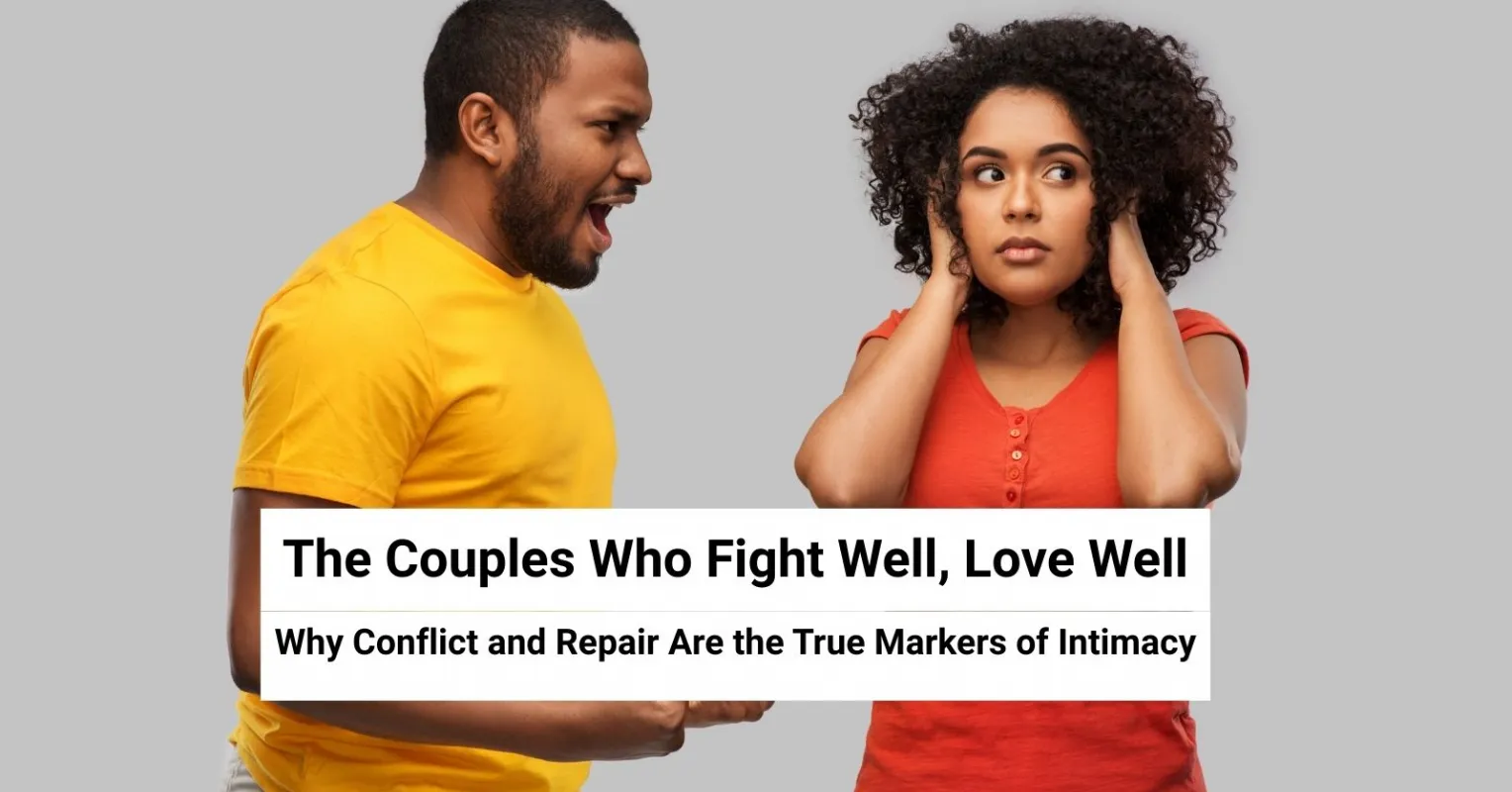
You might find yourself feeling a wave of anxiety creeping in during arguments with your partner, and it’s unsettling. It’s not just about the disagreement; it’s that knot in your stomach or racing heart that makes you wonder, ‘Why do I feel this way?’ There’s a lot to unpack here, and understanding the roots of this anxiety could help you navigate these turbulent moments more effectively.
Understanding Anxiety in Arguments
Feeling anxious during arguments with your partner is more common than you might think. This anxiety can emerge from a variety of sources. Sometimes it’s rooted in past experiences, such as unresolved conflicts or negative patterns from previous relationships, which can make the current conflict feel overwhelming.
In essence, your body might be reacting to the high emotional stakes involved in intimate relationships. Arguments often trigger a fight-or-flight response, making you feel not just the pressure of resolving an issue, but also the fear of potential rejection or emotional disconnection.

A closely related pattern appears in why do I feel anxious when my partner is distant during conflicts, which adds more context to this behavior.
Why This Anxiety Happens
One possible reason for your anxiety could be the fear of conflict itself. Many people have been conditioned to view arguments as harbingers of doom, leading to thoughts that the relationship may be at risk. This mindset can amplify the anxiety felt during disagreements.
Additionally, if past experiences have led you to believe that expressing your needs or opinions results in negative outcomes, you might become emotionally defensive during arguments. Your intuition may signal that speaking up could lead to emotional pain, intensifying feelings of anxiety as you attempt to express yourself.

A closely related pattern appears in why do I feel anxious about communicating with my partner, which adds more context to this behavior.
Contextual Nuances of Relationship Anxiety
The context of your relationship plays a crucial role in understanding this anxiety. If the dynamic tends to involve high levels of criticism or defensiveness, it can exacerbate anxiety. A partner who reacts poorly to disagreement may inadvertently put you on edge, making even minor conflicts feel monumental.
Conversely, in relationships characterized by mutual respect and constructive communication, arguments can feel less threatening. This context allows individuals to express their feelings without fear, potentially reducing the anxiety associated with conflict.

A closely related pattern appears in why do I feel overwhelmed during arguments with my partner, which adds more context to this behavior.
Misinterpretations to Avoid
It’s essential not to jump to conclusions about the underlying causes of your anxiety. For instance, feeling anxious does not mean your relationship is doomed or that you are incompatible. It’s natural to experience anxiety in any close relationship, given the emotional investment involved.
Moreover, avoid assuming that your partner’s reactions are solely responsible for your anxiety. While their behavior can influence your feelings, it’s crucial to recognize that your emotional state also arises from your perceptions and past experiences.
A closely related pattern appears in why do I feel anxious when my partner is quiet, which adds more context to this behavior.
Navigating Anxiety During Arguments
The key to managing anxiety during arguments lies in developing awareness and communication strategies. Practicing mindfulness techniques can help you stay grounded in the moment, reducing the rush of anxious thoughts.
Additionally, establishing ground rules for discussions—like taking breaks if emotions run too high—can create a safer environment for both you and your partner. Open dialogue about how arguments make you feel is essential for fostering understanding and reducing anxiety.
A closely related pattern appears in why do I feel anxious about my dating profile, which adds more context to this behavior.
Frequently asked questions
How to stop feeling anxious after an argument with your partner?
One way to ease anxiety post-argument is to engage in calming activities such as deep breathing or writing down your thoughts. Reflecting on the discussion without self-blame can also help, allowing you to process emotions and move forward.
What’s the 3-3-3 rule for anxiety?
The 3-3-3 rule involves identifying three things you can see, three sounds you can hear, and three things you can feel. This technique helps ground you in the present and reduce heightened anxiety.
Is it normal to go through periods of fighting in a relationship?
Yes, conflict is a natural part of any relationship. Healthy arguing can lead to deeper understanding and connection, providing both partners are committed to resolving differences respectfully.
Learn more:
About Us |
Editorial Policy |
Content Quality Standards |
Disclaimer