
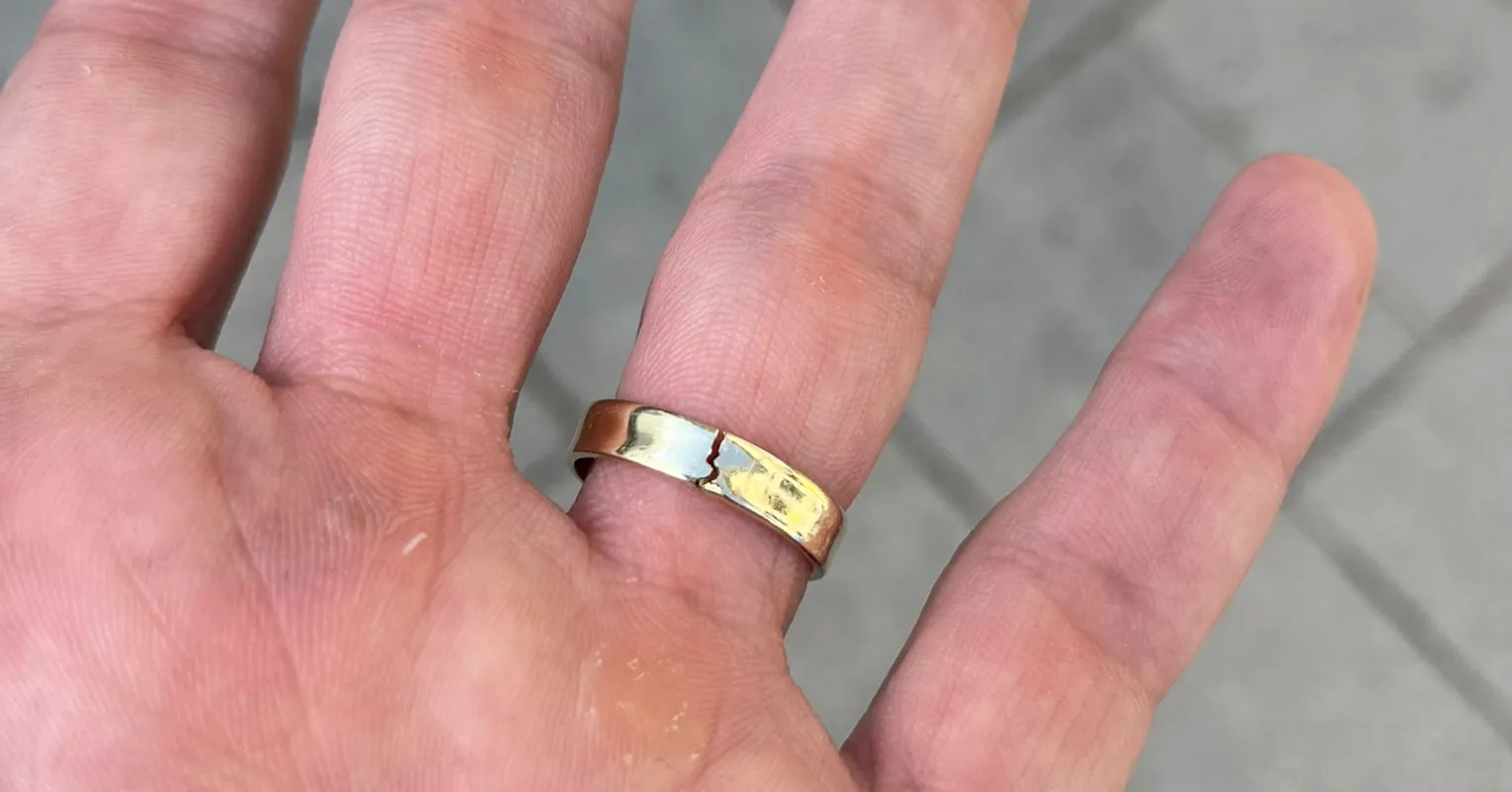
Feeling guilty about wanting a divorce can be suffocating and confusing. You might think, ‘This isn’t what I wanted,’ but the emotions are overwhelming. That guilt may come from multiple sources, including societal expectations, fear of hurting your partner, or the unknowns of life post-divorce. You’re not alone in grappling with these feelings, and there’s much more beneath the surface than it appears.
Understanding the Guilt in Divorce
Feeling guilty about the desire for a divorce is common, especially if your partner doesn’t share the same feelings. You might worry about the emotional toll it will take on them or fear societal judgment. This guilt can stem from a deep-seated belief that wanting to end a marriage signifies personal failure or selfishness, even if the relationship has been fractured for a long time.
Guilt can also surface when contemplating the impact of your decision on shared responsibilities, like children or finances. You may question whether you are doing the right thing, leading to a cycle of self-doubt that complicates an already difficult decision.

A closely related pattern appears in why do I feel guilty for wanting space in my relationship, which adds more context to this behavior.
Why Do These Feelings Arise?
Emotional patterns, such as fear of abandonment and attachment issues, can exacerbate feelings of guilt. You might associate the end of your marriage with abandonment, whether it’s the fear of being alone or concern for your partner’s emotional health. Additionally, societal norms often stigmatize divorce, making you feel like you’re failing at something that is deeply meaningful.
There can also be guilt related to how your partner might feel about your decision. If you’re the one initiating the divorce, there’s a tendency to sympathize with their possible heartbreak, adding layers to your own emotional struggle.
A closely related pattern appears in why do I feel guilty when trying to assert my boundaries, which adds more context to this behavior.
Context Matters: The Bigger Picture
It’s essential to contextualize your feelings. Not every relationship is meant to last, and acknowledging that can help diminish the weight of guilt. You may have been holding onto hope for change for too long, which complicates your feelings further. In many cases, the guilt we feel can be rooted in unrealistic expectations about relationships and what they should look like.
Moreover, consider the emotional toll existing in an unhealthy relationship. Remaining in a relationship that feels suffocating may harm both you and your partner in the long run, making guilt not just unnecessary, but counterproductive.

A closely related pattern appears in why do I feel guilty for needing emotional support from my partner, which adds more context to this behavior.
What Not to Assume Too Quickly
One common assumption is that wanting a divorce makes you a bad partner, but this isn’t true. Everyone has their breaking points, and recognizing your limits isn’t an inherent flaw. Misplaced guilt can prevent you from acting in your own best interests or even lead you to stay in a relationship that no longer serves you.
Additionally, don’t assume that feelings of guilt mean you should stay. Often, these emotions can cloud your judgment, making it difficult to recognize what’s genuinely best for both of you. The choice to leave is major, yet it can lead to eventual healing and fulfillment.
A closely related pattern appears in why do I feel guilty when trying to forgive, which adds more context to this behavior.
Navigating Forward: Understanding Your Emotions
Begin to untangle the web of these emotions. Journaling or talking to a therapist can help clarify why you feel guilty and what the root causes might be. It’s crucial to confront these emotions head-on rather than allowing them to dictate your actions.
Recognize that feeling guilty is part of the human experience; it doesn’t define who you are or your worth. Engaging in self-care practices, understanding your needs, and discussing your feelings with a trusted friend or professional can create the space necessary for accountability and healing.
A closely related pattern appears in what does it mean when I feel guilty for someone else’s feelings, which adds more context to this behavior.
Frequently asked questions
Is it normal to feel guilty for wanting a divorce?
Yes, feeling guilty about wanting a divorce is quite common. It often stems from concerns about your partner’s feelings, societal expectations, and personal beliefs about commitment and failure.
How can I cope with this guilt?
Coping with guilt involves acknowledging it without letting it dictate your actions. Seeking support from friends, family, or a therapist can also provide clarity and help you process your emotions.
Learn more:
About Us |
Editorial Policy |
Content Quality Standards |
Disclaimer